
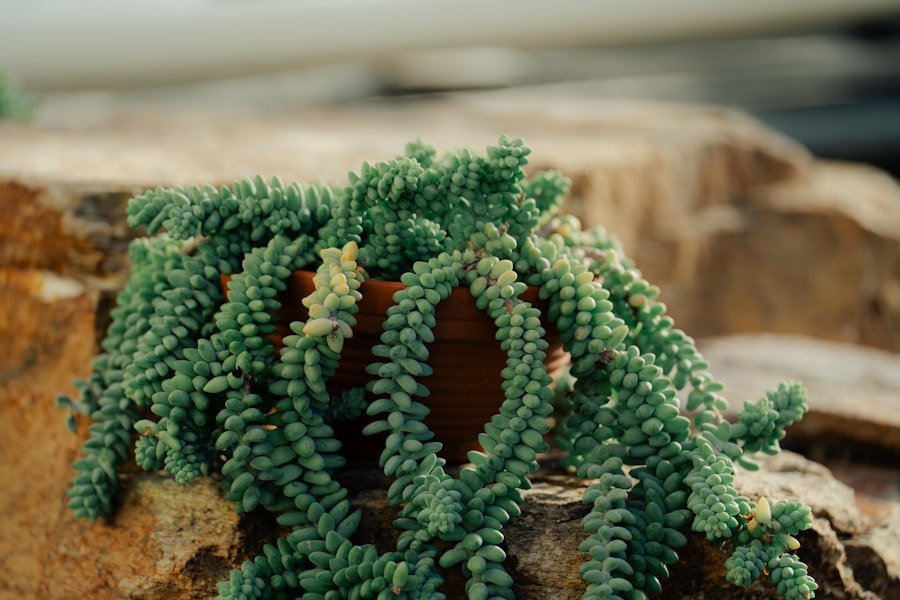
Bringing live plants indoors can enhance domestic environments. This guide offers practical advice for novices seeking to cultivate houseplants. It covers plant selection, basic care, and common challenges.
Understanding Your Environment
Before acquiring plants, assess your living space. Consider light, temperature, and humidity levels. These factors dictate plant suitability and subsequent care requirements.
Light Conditions
Light is a plant’s energy source. Different species have varying light needs. Identify the light exposure in potential plant locations.
- Direct Sunlight: Areas receiving unimpeded sunlight for several hours daily, typically south-facing windows. Plants needing direct sun can withstand intense light.
- Bright Indirect Light: These areas are well-lit but do not receive direct sunbeams. North-facing windows or rooms with large windows where light is filtered qualify. Many common houseplants thrive here.
- Medium Indirect Light: Less intense than bright indirect, often found a few feet from a bright window or in east/west-facing rooms without direct sun.
- Low Light: Areas with minimal natural light, such as north-facing rooms with small windows, or interior rooms. Few plants truly thrive in low light; most merely tolerate it.
Temperature and Humidity
Most common houseplants originate from tropical or subtropical climates, preferring temperatures between 18-24°C (65-75°F). Avoid placing plants near drafts from doors, windows, or heating/cooling vents.

Humidity is another critical factor. Many homes, especially during winter with heating systems, have low humidity. This can stress plants, leading to brown leaf tips or pest infestations.
- Increasing Humidity: Options include grouping plants, using pebble trays, or employing a humidifier. Misting is a temporary measure and often ineffective for long-term humidity.
Plant Selection: Matching Plants to Your Lifestyle
Selecting plants suitable for your environment and commitment level is crucial. Overly ambitious choices can lead to disappointment.
Low-Maintenance Choices for Beginners
These plants are forgiving of occasional neglect and less-than-ideal conditions, making them suitable for those new to plant care.
- Snake Plant (Sansevieria trifasciata): Tolerates low light, infrequent watering, and a range of temperatures. Available in various leaf patterns and sizes.
- ZZ Plant (Zamioculcas zamiifolia): Extremely drought-tolerant and thrives in low to bright indirect light. Its glossy leaves add a structural element.
- Pothos (Epipremnum aureum): Adaptable to various light conditions and forgiving of inconsistent watering. Its trailing vines can be trained or allowed to hang. Many cultivars exist with different variegation.
- Spider Plant (Chlorophytum comosum): Easy to care for, producing “spiderettes” that can be propagated. Prefers bright, indirect light but tolerates lower levels.
- Peace Lily (Spathiphyllum wallisii): Signals its need for water by drooping, providing a clear indicator. Prefers indirect light and consistent moisture. Produces white spathes.
Considering Pet Safety
Some common houseplants are toxic if ingested by pets. If you have pets, research plant toxicity before purchase.
- Non-Toxic Options: African Violet (Saintpaulia spp.), Boston Fern (Nephrolepis exaltata), Christmas Cactus (Schlumbergera spp.), Areca Palm (Dypsis lutescens), Prayer Plant (Maranta leuconeura). These are generally considered safe.
- Toxic Options (Examples): Pothos, Philodendron, Dieffenbachia, Peace Lily, all parts of Sago Palm. The sap or leaves of these plants can cause irritation or more severe symptoms if ingested.
Basic Plant Care Principles
Consistent application of fundamental care principles contributes to plant health. Deviation from these principles is a common cause of plant distress.
Watering: The Cornerstone
Improper watering is a leading cause of houseplant demise. Understanding a plant’s water needs is paramount.
- Feeling the Soil: The most reliable method. Insert a finger about 2-3 cm (1 inch) into the soil. If it feels dry, water. If moist, wait.
- Bottom Watering: Placing the pot in a tray of water allows the plant to absorb moisture from the bottom up. This promotes root growth and reduces the risk of overwatering the surface.
- Drainage: Ensure all pots have drainage holes. Standing water suffocates roots, leading to root rot. If a decorative pot lacks drainage, use a nursery pot inside it.
- Water Quality: Tap water is often suitable, but some plants are sensitive to chlorine or fluoride. Allowing water to sit for 24 hours can help dissipate chlorine. Distilled or rainwater is an option for sensitive plants.
Light Position and Rotation
While initial placement is important, ongoing light management is also necessary.
- Rotation: Rotate plants periodically to ensure even growth. Plants tend to grow towards the light source, and rotation prevents lopsided development.
- Seasonal Adjustments: Light intensity changes with the seasons. Plants near windows may need to be moved further away in summer to prevent scorching, and closer in winter for more light.
Fertilization: Nutritional Support
Plants require nutrients for growth. Fertilization replenishes nutrients depleted from the soil.
- Less is More: Over-fertilization can burn roots. Follow recommended dosages on fertilizer packaging.
- Growth Cycles: Fertilize primarily during active growth periods (spring and summer). Reduce or cease fertilization during dormancy (fall and winter) when plants are not actively growing.
- Types of Fertilizer: Liquid fertilizers are easy to apply and provide quick nutrient uptake. Slow-release granular fertilizers offer sustained nutrient release.
Troubleshooting Common Issues
Even with diligent care, plants may encounter problems. Identifying the issue and responding appropriately can save a plant.
Pests: Unwanted Guests
Inspect plants regularly for signs of pests. Early detection simplifies treatment.
- Common Pests:
- Spider Mites: Tiny, often indicated by fine webbing and small dots on leaves. Thrive in dry conditions.
- Mealybugs: White, cottony masses typically on leaf undersides or in crevices.
- Aphids: Small, pear-shaped insects, often green, black, or brown, clustered on new growth.
- Fungus Gnats: Small, dark flies often seen flying around the soil surface. Indicative of consistently wet soil.
- Treatment:
- Manual Removal: For small infestations, wipe pests off with a damp cloth or cotton swab dipped in rubbing alcohol.
- Insecticidal Soap: A less toxic option effective against soft-bodied insects.
- Neem Oil: An organic pesticide and fungicide that can deter various pests.
- Systemic Pesticides: Used for severe infestations, but use with caution due to potential toxicity.
Diseases: Fungal and Bacterial Problems
Diseases are less common in houseplants than pests but can occur, especially with poor air circulation or overwatering.
- Root Rot: Caused by overwatering, leading to fungal growth and decaying roots. Leaves may yellow, wilt, and the plant may smell foul. Prevention through proper watering and drainage is key.
- Leaf Spot: Appears as discolored spots on leaves, often due to fungal or bacterial infections. Remove affected leaves and improve air circulation.
- Powdery Mildew: White, powdery patches on leaves, often due to high humidity and poor air circulation. Increase air flow and consider fungicide if severe.
Environmental Stress: The Silent Killer
Plants often display symptoms of environmental stress before succumbing.
- Yellowing Leaves: Can indicate overwatering, underwatering, nutrient deficiency, or insufficient light. Assess the plant’s overall condition and recent care.
- Drooping Leaves: Often a sign of underwatering, but can also be caused by overwatering or sudden temperature changes.
- Brown Leaf Tips/Edges: Common indicators of low humidity, inconsistent watering, or mineral buildup from tap water.
- Stunted Growth: May result from insufficient light, lack of nutrients, or a pot that is too small.
Propagation: Expanding Your Collection
Once comfortable with basic care, propagating new plants from existing ones can be a rewarding experience. This allows you to expand your collection or share with others without additional cost.
Methods of Propagation
Different plants lend themselves to different propagation techniques.
- Stem Cuttings: Many plants, such as Pothos, Philodendron, and ZZ Plants, can be propagated from stem cuttings. Cut a section of stem with at least one node (where leaves or roots grow from), strip lower leaves, and place in water or moist soil.
- Leaf Cuttings: Plants like Snake Plants and succulents can be propagated from individual leaves. Allow the cut end to callous for a few days, then place in moist soil.
- Division: For plants like Spider Plants or Peace Lilies that produce offsets or grow in clumps, separating sections of the root ball can create new plants. Carefully untangle roots and replant divisions.
- Air Layering: A more advanced technique for woody stems, where roots are encouraged to form on a section of stem while still attached to the parent plant.
Aftercare for Propagated Plants
Young plants require careful handling and specific conditions to establish successfully.
- Humidity: High humidity often benefits newly rooted cuttings. A clear plastic bag over the pot can create a miniature greenhouse effect.
- Indirect Light: Keep newly propagated plants in bright, indirect light. Direct sun can scorch delicate new growth.
- Patience: Propagation can take time. Not every cutting will succeed. Observe and be patient.

By understanding your environment, selecting appropriate plants, committing to fundamental care, and being prepared to troubleshoot, a beginner can successfully integrate plants into their home. The process is one of observation and adaptation; plants are living entities that respond to their surroundings.
FAQs
1. Why should I consider adding indoor plants to my home?
Adding indoor plants to your home can improve air quality, reduce stress, and create a more inviting and natural environment. They can also add a decorative element to your living space.
2. What are some low-maintenance indoor plants for beginners?
Some low-maintenance indoor plants for beginners include snake plants, pothos, spider plants, and peace lilies. These plants are relatively easy to care for and can thrive in a variety of indoor conditions.
3. How do I select the right indoor plants for my home?
When selecting indoor plants for your home, consider factors such as the amount of natural light available, the level of humidity in your home, and your ability to care for the plants. It’s also important to consider any potential allergies or toxicity to pets.
4. What are some tips for caring for indoor plants?
Some tips for caring for indoor plants include watering them according to their specific needs, providing adequate sunlight, and periodically checking for pests or diseases. It’s also important to repot plants as they outgrow their containers.
5. How can I incorporate indoor plants into my home decor?
You can incorporate indoor plants into your home decor by choosing decorative planters or stands that complement your existing furniture and design aesthetic. Consider placing plants in areas where they can make a statement, such as on shelves, tables, or in hanging planters.