
This article explores a selection of houseplants known for their ability to thrive in settings with limited natural light. It aims to provide practical guidance for cultivating these species, often chosen for their resilience in low-light conditions.
Understanding Low-Light Environments
Before delving into specific plant recommendations, it is crucial to define what constitutes a “low-light” environment within a typical indoor setting. This understanding allows for more informed plant selection and placement.
Defining Low Light
Low light generally refers to areas that receive indirect, filtered light for only a few hours a day, or areas with no direct light whatsoever. This can include north-facing rooms, interior hallways, bathrooms without windows, or offices with limited external exposure. It is distinct from “no light,” which is generally unsustainable for plant life.
Identifying Light Levels in Your Home
Assessing light levels can be subjective but can be aided by observation. Consider the following:
- Distance from a Window: Light intensity diminishes rapidly with distance from a light source. A plant placed several meters from a window will receive significantly less light than one positioned directly on the sill.
- Window Orientation: North-facing windows provide the most consistent, indirect light throughout the day. East-facing windows offer gentle morning sun. West-facing windows provide stronger, afternoon light. South-facing windows offer the most intense direct light. Low-light plants are typically suited for north-facing windows or away from direct light from other orientations.
- Obstructions: External factors such as trees, buildings, or internal elements like heavy curtains can significantly reduce the amount of light entering a space.
Artificial lighting, such as fluorescent or LED grow lights, can supplement natural light in particularly dim environments, though this article focuses on plants that primarily rely on ambient natural light.
The Resilient Cast: Houseplants for Dimly Lit Spaces
This section introduces five houseplants recognized for their tolerance of low-light conditions. Each plant possesses unique characteristics and care requirements.
1. Snake Plant (Sansevieria trifasciata)
The snake plant, also known as mother-in-law’s tongue, is renowned for its architectural form and exceptional hardiness. It is frequently cited as one of the most forgiving houseplants, making it suitable for beginners and those in challenging light conditions.
Characteristics and Varieties
- Foliage: Snake plants typically feature stiff, upright, sword-like leaves, often variegated with shades of green, yellow, or silver. Common varieties include ‘Laurentii’ with yellow leaf margins and ‘Zeylanica’ with dark green leaves striped with lighter bands.
- Growth Habit: It grows from rhizomes, forming dense clumps of upright leaves. Its vertical growth habit makes it suitable for narrow spaces.
- Air Purification: Studies by NASA have indicated its capacity to remove toxins such as formaldehyde, benzene, and trichloroethylene from the air, contributing to improved indoor air quality.
Care Requirements for Low Light
- Light: While adaptable to bright, indirect light, the snake plant tolerates low light remarkably well. In such conditions, its growth rate will slow, and variegation may become less pronounced. Direct sun can scorch its leaves.
- Watering: This plant is susceptible to root rot if overwatered. Allow the soil to dry out completely between waterings. In low-light environments, where evaporation is slower, watering frequency will decrease significantly, perhaps once every 2-4 weeks or even less in winter. A “drought-tolerant” descriptor is appropriate.
- Soil: Use a well-draining potting mix. A cactus or succulent mix is often suitable.
- Temperature and Humidity: It prefers average room temperatures (18-35°C) and is not particular about humidity levels.
- Fertilization: Fertilize sparingly, if at all, during the growing season (spring and summer) with a balanced liquid fertilizer diluted to half strength. In low-light conditions, excessive fertilization can be detrimental.
2. ZZ Plant (Zamioculcas zamiifolia)
The ZZ plant is another robust choice for low-light settings, often praised for its glossy, dark green leaves and minimal care requirements. Its ability to store water in its rhizomes makes it particularly drought-tolerant.
Characteristics and Varieties
- Foliage: Its pinnate leaves emerge from thick, succulent stems, giving it a somewhat fern-like or palm-like appearance. The leaves are naturally waxy and reflective.
- Growth Habit: It grows from thick rhizomes underground, producing upright stems with numerous leaflets.
- Resilience: The ZZ plant is often described as “indestructible” due to its tolerance of neglect and various suboptimal conditions, including low light and infrequent watering. There are newer varieties like ‘Raven’ with near-black foliage.
Care Requirements for Low Light
- Light: The ZZ plant thrives in low to moderate indirect light. Direct sunlight can scorch its leaves, while extremely dim conditions may lead to slower growth and fewer new shoots. It is a true testament to adaptation, flourishing where other plants falter.
- Watering: Overwatering is the most common cause of ZZ plant demise. Allow the soil to dry out thoroughly between waterings. It stores water in its thick rhizomes, acting as an internal reservoir. In low light, this might mean watering only once a month or even less frequently during cooler months.
- Soil: A well-draining potting mix is essential. Consider adding perlite or coarse sand to improve drainage if necessary.
- Temperature and Humidity: It performs best in average room temperatures (18-26°C) and can tolerate average to low humidity.
- Fertilization: Fertilize infrequently, perhaps once or twice during the growing season, with a diluted balanced liquid fertilizer. Some growers opt not to fertilize at all in low-light settings.
3. Pothos (Epipremnum aureum)
Pothos, often called “devil’s ivy,” is a popular trailing plant celebrated for its versatility and adaptability. Its heart-shaped leaves add a cascade of green to any space, even those with limited illumination.
Characteristics and Varieties
- Foliage: Pothos typically features glossy, heart-shaped leaves that can be solid green or variegated with shades of yellow, cream, or white. Common varieties include ‘Golden Pothos’ (yellow variegation), ‘Marble Queen’ (white variegation), and ‘Jade Pothos’ (solid green).
- Growth Habit: It is a vining plant that can be grown in hanging baskets, allowed to trail down shelves, or trained to climb a support.
- Rapid Growth: In ideal conditions, Pothos can exhibit relatively fast growth, though this slows considerably in low light.
Care Requirements for Low Light
- Light: Pothos tolerates low light but will display its best growth and variegation in moderate to bright indirect light. In very dim conditions, variegation may fade, and leaves may become entirely green. Stems may also become leggy, stretching towards the limited light source.
- Watering: Water when the top few inches of soil feel dry. Pothos can tolerate some drought but will signal its thirst by drooping leaves. Overwatering can lead to yellowing leaves and root rot.
- Soil: Use a standard well-draining potting mix.
- Temperature and Humidity: It prefers average room temperatures (18-29°C) and average humidity.
- Fertilization: Fertilize once a month during the growing season with a balanced liquid fertilizer diluted to half strength. Reduce or cease fertilization in low light or during winter.
4. Cast Iron Plant (Aspidistra elatior)
The cast iron plant lives up to its name, enduring a broad spectrum of adverse conditions, including deep shade, temperature fluctuations, and neglect. This resilience makes it a dependable choice for the most challenging low-light spots.
Characteristics and Varieties
- Foliage: Characterized by sturdy, dark green, leathery leaves that emerge directly from the soil. Some variegated forms exist, such as ‘Okame’ or ‘Variegata’, which have cream or white stripes.
- Growth Habit: It forms clumps of upright leaves and grows slowly but steadily.
- Durability: Its reputation for being virtually indestructible is well-earned. It represents a steadfast companion in the plant world.
Care Requirements for Low Light
- Light: The cast iron plant thrives in low to very low light. Direct sunlight will scorch its leaves, causing unsightly brown spots. It is a genuine “shadow dweller.”
- Watering: Allow the topsoil to dry out before watering again. It prefers consistently moist, but not saturated, soil. Overwatering is a greater risk than underwatering. Less water is needed in low-light conditions to prevent root rot.
- Soil: Use a well-draining, general-purpose potting mix.
- Temperature and Humidity: It is tolerant of a wide range of temperatures (7-30°C) and average humidity. It can withstand cooler temperatures than many other houseplants.
- Fertilization: Fertilize sparingly, if at all, once or twice a year during the growing season with a weak, balanced liquid fertilizer. Excessive fertilizer in low light can harm the plant.
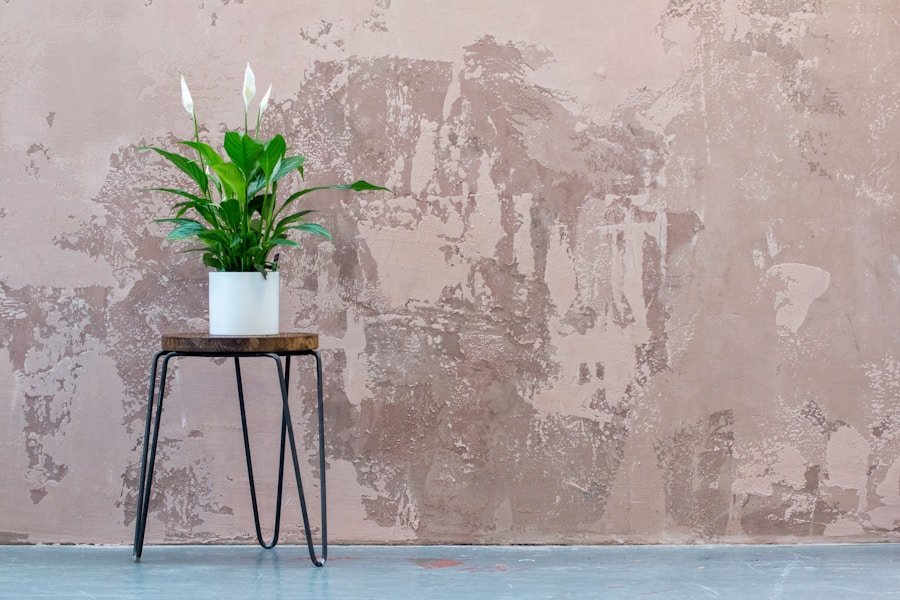
5. Peace Lily (Spathiphyllum)
The Peace Lily is appreciated for its elegant white spathes (modified leaves that look like flowers) and its ability to signal its watering needs through dramatic wilting. It tolerates low light, though flowering may be reduced.
Characteristics and Varieties
- Foliage: Features glossy, dark green, oval-shaped leaves that emerge from the base of the plant.
- Flowering: Its distinct white “flowers” are actually spathes that enclose a spadix (a spike of tiny real flowers). These typically appear in spring and summer but can bloom sporadically throughout the year.
- Air Purification: Like the snake plant, it is recognized for its air-purifying capabilities, removing common indoor pollutants like ammonia and formaldehyde.
Care Requirements for Low Light
- Light: Peace lilies prefer low to moderate indirect light. In very low light, the plant will primarily produce foliage and may not flower. Direct sunlight will burn the leaves. They are excellent communicators; drooping leaves are a clear signal of thirst.
- Watering: Water when the top inch of soil feels dry. The plant will visibly droop when it needs water, serving as a reliable indicator. Ensure drainage to prevent waterlogging.
- Soil: Use a rich, well-draining potting mix.
- Temperature and Humidity: It prefers average to warm temperatures (18-29°C) and appreciates higher humidity levels. Misting or placing the plant near a humidifier can be beneficial, especially in dry environments.
- Fertilization: Fertilize every 6-8 weeks during the growing season with a balanced liquid fertilizer diluted to half strength. If the plant is not flowering in low light, consider reducing or ceasing fertilization.
General Care Considerations for Low-Light Plants
Cultivating plants in low-light environments often requires a slightly different approach than caring for plants in brighter conditions. These general principles can enhance your success.
Watering Judiciously
The primary danger for low-light plants is overwatering. In reduced light, plants photosynthesize less, meaning they use less water. The soil also dries out more slowly.
- Monitor Soil Moisture: Always check the soil moisture before watering. Insert your finger 2-3 inches into the soil. If it feels damp, wait.
- Err on the Side of Underwatering: It is generally easier for a plant to recover from slight underwatering than from root rot caused by prolonged overwatering. Think of it as a camel, storing its reserves.
Understanding Growth Rate and Fertilization
Plants in low light will naturally grow slower than their counterparts in brighter conditions. This reduced metabolic activity directly impacts their nutritional needs.
- Reduced Fertilization: Fertilize sparingly, if at all. Excess fertilizer can burn the roots of a slow-growing plant. During winter months, when light is even scarcer, refrain from fertilizing entirely.
- Accept Slower Growth: Do not expect rapid expansion. Embrace the patient rhythm of a plant adapting to its environment.
Cleaning and Maintenance
Even in dim environments, dust can accumulate on leaves, hindering the plant’s ability to absorb what little light is available.
- Dust Regularly: Wipe leaves with a damp cloth periodically to remove dust. This ensures the leaves can perform photosynthesis efficiently.
- Pruning: Remove any yellowing, browning, or unhealthy leaves. This redirects the plant’s energy towards healthy growth.
Pest and Disease Vigilance
While low-light plants are generally robust, they are not immune to pests or diseases. Stressed plants, such as those enduring consistently adverse conditions, can be more susceptible.
- Regular Inspection: Periodically inspect your plants for signs of pests (e.g., spider mites, mealybugs) or disease (e.g., fungal spots). Early detection is critical for effective treatment.
- Environmental Factors: Ensure proper ventilation. Stagnant air, coupled with damp soil, can encourage fungal issues.
Conclusion
The plants discussed here – the Snake Plant, ZZ Plant, Pothos, Cast Iron Plant, and Peace Lily – represent a robust selection for those seeking to introduce plant life into dimly lit indoor spaces. Each offers a unique aesthetic and a high degree of tolerance for less-than-ideal light conditions. By understanding their individual care needs and adopting general best practices for low-light cultivation, you can successfully cultivate these resilient species, transforming otherwise overlooked corners into verdant vignettes. Remember, patience and observation are your most valuable tools in creating a thriving indoor garden, regardless of the light available.

FAQs
1. What are low-light houseplants?
Low-light houseplants are plants that can thrive in environments with minimal natural light. They are able to photosynthesize and grow with the limited light available in dimly lit spaces such as offices or rooms with small windows.
2. What are the benefits of having low-light houseplants?
Low-light houseplants can improve indoor air quality, reduce stress, and add a touch of nature to indoor spaces. They are also relatively low-maintenance and can thrive in areas where other plants may struggle.
3. Which houseplants are suitable for low-light environments?
Some houseplants that flourish in dimly lit spaces include snake plants, pothos, peace lilies, ZZ plants, and spider plants. These plants have adapted to survive in low-light conditions and can thrive with minimal sunlight.
4. How should low-light houseplants be cared for?
Low-light houseplants should be watered sparingly, as they do not require as much water as plants in brighter environments. It is important to avoid overwatering, as this can lead to root rot. Additionally, occasional fertilization and dusting of the leaves can help these plants thrive.
5. Can low-light houseplants be placed in windowless rooms?
Yes, low-light houseplants can be placed in windowless rooms as long as there is some form of artificial light, such as fluorescent or LED lighting. While they may not thrive as well as they would in a naturally lit space, they can still survive and add greenery to windowless environments.