
This article provides a guide to propagating houseplants, focusing on practical methods and considerations for successful plant multiplication. Propagation allows enthusiasts to expand their collections, share with others, or revitalize existing plants. Understanding the biological mechanisms behind plant reproduction is key to achieving satisfactory results.
Understanding Plant Propagation
Plant propagation is the process of creating new plants from existing ones. This can be achieved through two primary means: sexual reproduction and asexual reproduction. Sexual reproduction involves the fusion of male and female gametes, typically through seeds. Asexual reproduction, also known as vegetative propagation, produces offspring that are genetically identical to the parent plant; this is the focus of this guide.
Sexual vs. Asexual Reproduction
Sexual reproduction in plants, primarily through seeds, allows for genetic diversity as offspring inherit traits from both parents. This can lead to variations in characteristics such as flower color, fruit production, or disease resistance. However, growing plants from seed can be a slower process, and the resulting plants may not be identical to the parent, especially if the parent plant was a hybrid. For instance, if you sow seeds from a hybrid rose, the new plants may exhibit different colors and forms than the parent.
Asexual propagation, on the other hand, bypasses the genetic mixing inherent in sexual reproduction. It leverages the ability of certain plant tissues to regenerate into a complete organism. This method is often faster than growing from seed and guarantees that the new plant will be a clone of the parent, preserving desirable traits. This is particularly valuable for maintaining specific cultivars of ornamental plants or for those with unique characteristics that might not be reliably reproduced from seed. Think of it as making a perfect photocopy of a beloved book; the new copy is identical to the original.
Benefits of Houseplant Propagation
Propagating houseplants offers several advantages. It is an economical way to acquire new plants; instead of purchasing them, you can grow them from cuttings, divisions, or seeds from your existing plants. This allows for a significant expansion of a plant collection without substantial financial outlay.

Furthermore, propagation is a valuable skill for plant enthusiasts. It deepens one’s understanding of plant biology and the life cycles of different species. Witnessing a new plant emerge from a simple leaf or stem can be a rewarding experience, akin to nurturing a fragile idea into a tangible reality.
Propagation also plays a role in plant conservation and sharing. Rare or slow-growing plants can be multiplied through careful propagation techniques, ensuring their availability. Enthusiasts often share cuttings or divisions with friends and fellow gardeners, fostering a sense of community and the dissemination of beautiful plants.
Methods of Houseplant Propagation
Several common methods can be employed for propagating houseplants, each suited to different plant types and offering varying levels of success. The choice of method often depends on the specific characteristics of the parent plant and the desired outcome.
Stem Cuttings
Stem cuttings are one of the most popular and versatile propagation methods for a wide range of houseplants. This technique involves taking a section of the parent plant’s stem and encouraging it to develop roots and new growth.
Types of Stem Cuttings
- Softwood Cuttings: These are taken from new, flexible growth in the spring or early summer. They root relatively quickly but are more susceptible to drying out. Examples include fuchsias and geraniums.
- Semi-hardwood Cuttings: These are taken from more mature, but still flexible, stems later in the summer or fall. They are slightly woodier than softwood cuttings and take a bit longer to root, but they are generally more robust. Many woody ornamentals and some houseplants fall into this category.
- Hardwood Cuttings: These are taken from dormant, mature stems during the winter months. They are the woodiest and require the longest rooting time, often several months, and may benefit from rooting hormones. Examples include some varieties of coleus and certain dracaenas.
The Process of Taking Stem Cuttings
- Selection: Choose a healthy, vigorous parent plant. Identify a stem that is free from pests and diseases and exhibits good growth.
- Cutting: Using a sharp, clean knife or pruning shears, make a cut just below a leaf node (the point where a leaf attaches to the stem). The cutting should be 4-6 inches long, depending on the plant.
- Preparation: Remove the lower leaves from the cutting, leaving only a few at the top. This reduces water loss and prevents leaves from rotting in the rooting medium. If the leaves are very large, they can be cut in half to further minimize transpiration.
- Rooting Hormone (Optional but Recommended): Dip the cut end of the stem into a rooting hormone powder or gel. This stimulates root development and increases the success rate.
- Planting: Insert the prepared cutting into a well-draining rooting medium. This can be a mixture of perlite and peat moss, vermiculite, or a commercially available seed-starting mix. Gently firm the medium around the cutting.
- Environmental Conditions: Place the pot in a warm location with bright, indirect light. To maintain humidity, which is crucial for cuttings, cover the pot with a plastic bag or a propagator lid, ensuring some ventilation to prevent fungal growth.
- Watering: Keep the rooting medium consistently moist but not waterlogged. Mist the leaves occasionally.
- Rooting: Rooting times vary significantly depending on the plant species, from a few weeks to several months. You can test for roots by gently tugging on the cutting; if there is resistance, roots have likely formed. Once roots are established, the new plant can be transplanted into its own pot.
Leaf Cuttings
Certain houseplants, particularly those with succulent or fleshy leaves, can be propagated from leaf cuttings. This method involves using a whole leaf or a section of a leaf to generate a new plant.
Types of Leaf Cuttings
- Whole Leaf Cuttings: This involves taking an entire leaf, including its petiole (leaf stalk). Plants like African violets and Rex begonias readily propagate using this method.
- Leaf Section Cuttings: For some plants, such as snake plants (Sansevieria), a portion of the leaf can be used. The leaf is cut into several segments, each containing at least one node.
The Process of Taking Leaf Cuttings
- Selection and Removal: Choose a healthy, mature leaf from the parent plant. For whole leaf cuttings, carefully twist or cut the leaf at its base, ensuring the petiole is intact. For leaf section cuttings, cut the leaf into 2-3 inch segments.
- Preparation: For whole leaf cuttings, insert the petiole into the rooting medium. For leaf section cuttings, ensure there is an upward-facing end (which was closer to the stem) and a downward-facing end.
- Planting: Place the leaf or leaf sections into a well-draining rooting medium. For whole leaf cuttings, the entire leaf should be planted with the petiole and a small portion of the leaf blade submerged. For leaf section cuttings, insert the cut end (the one that was lower on the stem) into the medium, or lay the sections flat on the surface.
- Environmental Conditions: Similar to stem cuttings, place the pot in a warm location with bright, indirect light. Covering with a plastic bag or propagator is beneficial for maintaining humidity.
- Watering: Keep the medium moist. You might notice small plantlets emerging from the base of the petiole or along the cut edges of the leaf sections.
- Growth: New plantlets will eventually form, each with its own small roots. Once these plantlets are a few inches tall and have developed a sufficient root system, they can be carefully separated from the parent leaf and potted up individually.
Division
Division is a straightforward method for propagating plants that grow in clumps or spread via underground stems (rhizomes) or runners. It involves separating the parent plant into smaller sections, each with roots and shoots.
Plants Suitable for Division
Many popular houseplants benefit from division, including:
- Ferns (e.g., Boston fern, Maidenhair fern)
- Peace lilies (Spathiphyllum)
- Spider plants (Chlorophytum comosum)
- Hostas (though often grown outdoors, some varieties do well indoors)
- Orchids (certain types)
- Many types of ornamental grasses
The Process of Division
- Timing: The best time to divide most houseplants is during their active growing season, typically spring or early summer, or after they have finished flowering.
- Removal from Pot: Carefully remove the parent plant from its pot. Gently shake off excess soil to expose the root ball.
- Inspection and Separation: Examine the root system and the plant’s structure. You will likely see natural divisions or points where the plant can be easily separated. Use your fingers, a clean knife, or a trowel to carefully pull or cut the plant into smaller sections, ensuring each section has a healthy root system and at least one or two shoots.
- Pruning (Optional): If the root ball is very dense or overgrown, you can trim away some of the older, woody roots to make division easier and encourage new root growth. You can also prune back some of the foliage to reduce stress on the divided sections.
- Repotting: Plant each division in its own pot filled with fresh, well-draining potting mix. Ensure the top of the root ball is level with the soil surface.
- Care: Water thoroughly after repotting. Keep the newly divided plants in a location with bright, indirect light and maintain consistent moisture. They may take a few weeks to show signs of new growth as they acclimate.
Air Layering
Air layering is a more advanced technique suitable for propagating larger, woody, or vining houseplants that are difficult to root from stem cuttings, such as Fiddle Leaf Figs or Rubber Plants. This method encourages root formation on a stem while it is still attached to the parent plant.
The Process of Air Layering
- Selection: Choose a healthy stem on the parent plant that is at least pencil-thick and has good vigor.
- Wounding the Stem: Using a sharp, clean knife, make a sloping cut upwards on the stem, about one-third to halfway through its diameter. Alternatively, you can remove a ring of bark about 1-inch wide from the stem. It’s often beneficial to scrape away the green cambium layer just beneath the bark to prevent the wound from healing over too quickly.
- Applying Rooting Hormone: Apply a rooting hormone to the upper cut surface of the wounded area.
- Applying the Growing Medium: Wrap a generous amount of moist sphagnum moss around the wounded area. The moss should be damp but not soaking wet.
- Enclosing the Moss: Cover the moss-wrapped section with plastic wrap, securing it tightly at both ends with tape or string. This creates a humid microenvironment that encourages root development.
- Root Formation: Over several weeks to months, you should observe roots forming within the moss.
- Separation: Once a substantial root ball has developed within the plastic, carefully cut the stem below the rooted section.
- Planting: Remove the plastic wrap and plant the newly rooted cutting in a pot with well-draining potting mix. Keep it in a humid environment and provide consistent moisture until it establishes.
Essential Considerations for Propagation Success
Beyond the specific techniques, several overarching factors contribute to successful houseplant propagation. Understanding these elements can significantly improve your success rate and lead to healthier new plants.
Choosing the Right Parent Plant
The health of the parent plant is a cornerstone of successful propagation. A vigorous, disease-free plant will yield cuttings or divisions that are more likely to thrive and root.
Signs of a Healthy Parent Plant
- Vibrant Foliage: Leaves should be a healthy green color, free from yellowing, spotting, or wilting.
- Strong Growth: The plant should exhibit consistent, healthy new growth.
- Pest and Disease Free: Thoroughly inspect the parent plant for any signs of insects or fungal issues. Introducing pests to your propagation setup can be detrimental.
- Good Overall Vigor: The plant should appear robust and well-established in its pot.
Sterilization and Cleanliness
Sterilization is paramount to preventing the spread of diseases and fungal infections, which can ruin cuttings and young plants.
Key Sterilization Practices
- Tools: Always use sharp, clean knives, scissors, or pruning shears. Sterilize them by wiping them with rubbing alcohol or a bleach solution before and between uses.
- Pots and Containers: Wash pots thoroughly with soap and water, and consider sterilizing them with a dilute bleach solution, especially if they have been used previously. For propagation trays and covers, a good wash is often sufficient, but sterilization adds an extra layer of protection.
- Rooting Medium: While not always strictly necessary, using a sterile seed-starting mix or sterilizing your own mix (e.g., by baking it in the oven) can help eliminate potential pathogens.
Environmental Factors
The conditions in which you place your cuttings or divisions significantly influence their ability to root and establish.
Light, Temperature, and Humidity
- Light: Most cuttings and new propagations prefer bright, indirect light. Direct sunlight can scorch delicate leaves and dry out the rooting medium too quickly. A consistent source of diffused light is ideal.
- Temperature: A warm environment is generally beneficial for root development. Most plants root best in temperatures between 65-75°F (18-24°C). Avoid placing propagations in cold drafts or near heating vents that can cause fluctuations.
- Humidity: High humidity is crucial, especially for stem and leaf cuttings, as it helps prevent them from drying out before they develop roots. Methods like using a plastic bag, propagator, or grouping plants together can create a humid microclimate. Regular misting can also help.
Watering and Drainage
Proper watering and excellent drainage are critical to prevent rot, the nemesis of most propagation efforts.
The Delicate Balance
- Moisture Retention: The rooting medium should be kept consistently moist but never waterlogged. Overwatering can suffocate roots and encourage fungal diseases.
- Drainage: Ensure that pots and containers have adequate drainage holes. The rooting medium itself should be well-draining, allowing excess water to escape readily. Perlite, vermiculite, and coarse sand are often incorporated into rooting mixes for this purpose.
Troubleshooting Common Propagation Issues
Even with the best intentions, propagation can sometimes present challenges. Identifying and addressing common issues can help rectify problems and lead to future success.
Failure to Root
This is perhaps the most common issue. Several factors can contribute to a cutting or division failing to develop roots.
Potential Causes and Solutions
- Incorrect Medium: The rooting medium may be too wet, too dry, or lack aeration. Ensure you are using a suitable, well-draining mix and maintaining appropriate moisture levels.
- Poor Parent Plant Health: A weak or unhealthy parent plant may produce cuttings that lack the vitality to root. Ensure you are propagating from robust specimens.
- Inadequate Environmental Conditions: Insufficient warmth, low humidity, or the wrong light can hinder rooting. Verify that your setup provides optimal conditions.
- Wrong Time of Year: Some plants root best at specific times of year due to their natural growth cycles. Research the best propagation window for your specific plant.
- Dormancy: The parent plant or cutting may be dormant, in which case rooting will be slow or impossible until active growth resumes.
Rotting Cuttings or Divisions
Rotting is usually a sign of overwatering and poor drainage, often exacerbated by low temperatures or insufficient airflow.
Preventing and Addressing Rot
- Reduce Watering: Allow the rooting medium to dry out slightly between waterings.
- Improve Drainage: Ensure pots have drainage holes and consider amending the soil to improve aeration.
- Increase Airflow: Provide some ventilation, especially if using a plastic cover.
- Sterilize: Ensure all tools and containers are clean to prevent introducing fungal pathogens.
- Remove Affected Parts: If a cutting is showing signs of rot, trim away the affected tissue with a clean blade and try to re-root the healthy portion.
Slow Growth After Establishment
Sometimes propagations root but then exhibit very slow growth. This can be frustrating, but it often indicates a need for continued patience and appropriate care.
Encouraging Vigorous Growth
- Nutrients: Once roots are established, the new plant needs nutrients. Gradually introduce a diluted liquid fertilizer during its active growing season.
- Potting Up: Ensure the plant is in an appropriately sized pot with fresh potting mix, as overcrowding can stunt growth.
- Light and Temperature: Confirm that the plant is receiving adequate light and is in a suitable temperature range.
- Watering Consistency: Maintain consistent watering, avoiding both drought stress and waterlogged conditions.
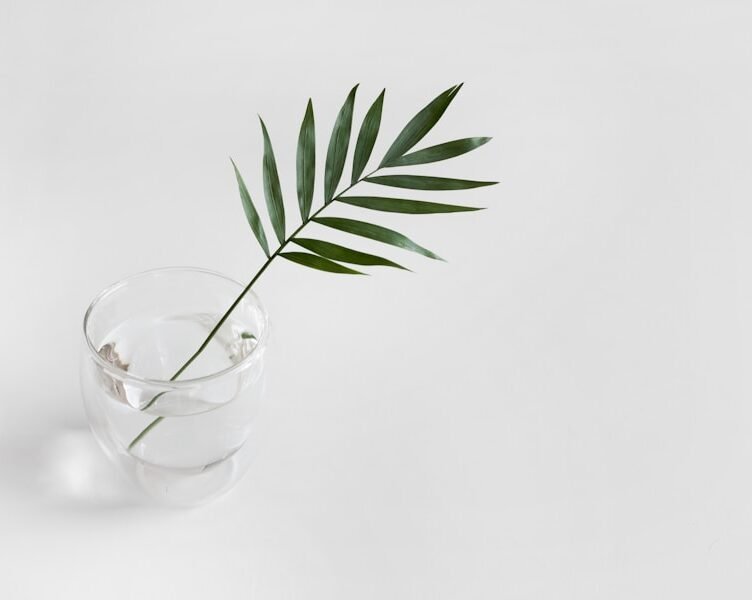
By carefully applying these methods and understanding the underlying principles, you can successfully propagate many of your favorite houseplants, expanding your indoor greenery and deepening your connection with the plant world.
FAQs
What is plant propagation?
Plant propagation is the process of creating new plants from existing ones. This can be done through various methods such as stem cuttings, leaf cuttings, division, and layering.
Why should I propagate my houseplants?
Propagating houseplants allows you to expand your plant collection without having to purchase new plants. It also gives you the opportunity to share plants with friends and family, and can help rejuvenate older or leggy plants.
What are the basic steps for propagating houseplants?
The basic steps for propagating houseplants include selecting a healthy parent plant, preparing the cutting or division, providing the right growing conditions for the new plant, and monitoring its progress as it establishes roots and grows.
What are some common houseplants that are easy to propagate?
Some common houseplants that are easy to propagate include pothos, spider plants, snake plants, and philodendrons. These plants can often be propagated through simple stem cuttings in water or soil.
What are some tips for successful plant propagation?
Some tips for successful plant propagation include using sharp, clean tools for taking cuttings, providing the right amount of light and moisture for the new plants, and being patient as the new plants establish roots and begin to grow.