
Introduction
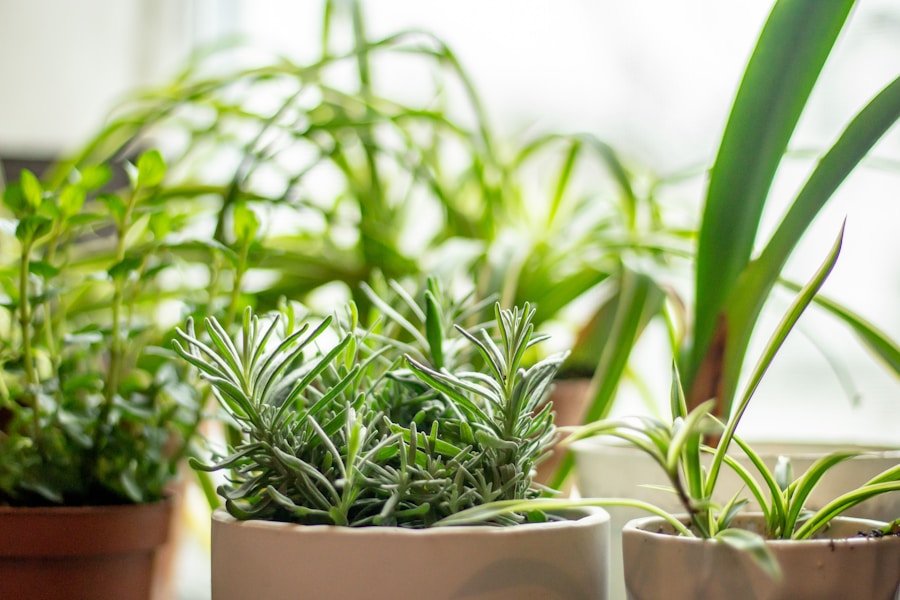
Growing edible herbs indoors can provide a consistent supply of fresh ingredients for culinary use. This article offers guidance on cultivating and maintaining a variety of herbs within a home environment. Successful indoor herb gardening requires attention to specific environmental factors and plant care practices.
Benefits of Indoor Herb Cultivation
Cultivating herbs indoors offers several advantages. It provides convenient access to fresh ingredients, bypassing the need for frequent grocery store visits. Indoor gardens also allow for year-round production, irrespective of external weather conditions. Furthermore, growing herbs can enhance the aesthetic appeal of a living space and contribute to a sense of well-being. The act of tending to plants can be a meditative practice.
Common Misconceptions
Several misconceptions surround indoor herb gardening. One common belief is that specialized equipment is always necessary. While advanced setups can be beneficial, many herbs thrive with basic household items and natural light. Another misconception is that all herbs are equally easy to grow indoors. Different species have varying requirements, and understanding these distinctions is crucial for success.
Choosing Your Herbs and Planning Your Space
The selection of herbs and the preparation of your growing area are foundational steps. Thoughtful planning can prevent common pitfalls and optimize your chances of a successful harvest. Consider your available light, space, and commitment level before making selections.
Popular Herbs for Indoor Cultivation
Numerous herb varieties are well-suited for indoor environments. These generally include species that tolerate lower light levels or can be compactly grown.
Basil (Ocimum basilicum)
Basil is a popular choice for indoor gardening due to its strong flavor and relatively fast growth. It prefers warmth and consistent moisture. Several varieties exist, including sweet basil, lemon basil, and Thai basil, each offering distinct aromatic profiles.
Mint (Mentha spp.)
Mint is a vigorous grower that can be contained by potting. It thrives in various light conditions, though it benefits from brighter light. Common varieties include peppermint, spearmint, and chocolate mint. Mint’s spreading nature necessitates regular pruning to prevent it from becoming root-bound.
Parsley (Petroselinum crispum)
Parsley, in both flat-leaf and curly varieties, is a staple. It prefers cooler temperatures and consistent moisture. Germination can be slow, but established plants yield generously.
Chives (Allium schoenoprasum)
Chives are members of the onion family, offering a mild, onion-like flavor. They are tolerant of various conditions and regrow quickly after snipping. They can be grown from seeds or by dividing existing clumps.
Rosemary (Salvia rosmarinus)
Rosemary is a Mediterranean herb that prefers ample light and well-draining soil. It can be more challenging to grow indoors due to its need for significant sunlight, but with proper care, it can thrive. Ensure good air circulation to prevent fungal issues.
Thyme (Thymus vulgaris)
Thyme is a resilient herb that tolerates drier conditions. It requires good light and can be grown from seeds or cuttings. Its small leaves make it suitable for compact spaces.
Oregano (Origanum vulgare)
Oregano is another Mediterranean herb that, like rosemary, thrives in abundant light and well-drained soil. It is relatively drought-tolerant once established.
Assessing Your Available Light
Light is the sun in your indoor herb universe. Understanding and maximizing your indoor light sources is paramount. Different herbs have different light requirements.
Natural Light Sources
Windows are the primary source of natural light for indoor plants. South-facing windows typically offer the most intense and prolonged light exposure. East- or west-facing windows provide moderate light, while north-facing windows offer filtered, lower light. Observe how sunlight moves across your space throughout the day and with seasonal changes.
Supplemental Artificial Lighting
When natural light is insufficient, artificial grow lights become essential. Full-spectrum LED grow lights are energy-efficient and emit light across the entire PAR (Photosynthetically Active Radiation) spectrum, mimicking natural sunlight. Fluorescent lights (T5 or T8) are a less expensive option for herbs with moderate light requirements. Position grow lights approximately 6-12 inches above the plant canopy, adjusting as plants grow. Timers can automate lighting schedules, typically 12-16 hours per day.
Choosing Containers and Potting Mix
The right container and substrate provide a stable foundation for your herbs.
Container Materials and Size
Containers can be made from various materials, including terracotta, plastic, ceramic, or recycled materials. Terracotta pots allow for better air circulation but dry out more quickly. Plastic and glazed ceramic pots retain moisture longer. Ensure all containers have drainage holes to prevent waterlogging. Select a container size that allows for root growth; a pot that is too small can stunt development. Generally, a 6-inch diameter pot is suitable for a single herb plant, with larger pots accommodating multiple plants or larger varieties.
Potting Mix Composition
Use a high-quality potting mix specifically designed for containers. Avoid using garden soil, as it can compact, harbor pests, and lack proper drainage. A good potting mix typically contains peat moss or coco coir for water retention, perlite or vermiculite for aeration and drainage, and some slow-release nutrients. Consider adding a small amount of compost for enhanced nutrient content.
Essential Environmental Factors
Just as a conductor shapes an orchestra, you will orchestrate the environmental conditions for your herbs. Optimizing these factors is key to robust growth.
Watering Practices
Proper watering is a delicate balance. Overwatering is a common cause of plant demise, leading to root rot. Underwatering causes wilting and nutrient stress.
Recognizing When to Water
The “finger test” is a reliable method. Insert your finger about an inch into the potting mix. If the soil at that depth feels dry, it’s time to water. Another indicator is the weight of the pot; a dry pot will feel significantly lighter. Wilting leaves can also signal a need for water, but by this point, the plant is already stressed.
Watering Techniques
Water thoroughly until water drains from the bottom of the pot. This ensures the entire root ball is moistened. Discard any standing water in the saucer after about 15-20 minutes to prevent roots from sitting in stagnant water. Use room-temperature water. Frequent, shallow watering encourages shallow root systems, making plants more susceptible to drought stress.
Temperature and Humidity
Temperature and humidity play crucial roles in plant health and growth.
Optimal Temperature Ranges
Most common culinary herbs thrive in temperatures between 60-70°F (15-21°C). Avoid placing herbs near drafts, heating vents, or cold windows, as sudden temperature fluctuations can stress them. Some Mediterranean herbs like rosemary and thyme prefer slightly warmer conditions, while parsley and cilantro prefer cooler temperatures.
Managing Humidity Levels
Indoor environments, especially during winter with central heating, can be very dry. Herbs generally prefer moderate humidity.
- Pebble Trays: Place pots on trays filled with pebbles and water. As the water evaporates, it increases humidity around the plants.
- Misting: Lightly misting foliage with water can temporarily increase humidity, but do so in the morning to allow leaves to dry and prevent fungal diseases.
- Humidifiers: For a more consistent humidity boost, especially for larger collections of plants, a small room humidifier can be effective.
- Grouping Plants: Grouping plants together can create a localized microclimate with higher humidity due to transpiration.
Air Circulation
Good air circulation is vital for preventing fungal diseases and pest infestations. Still, stagnant air can create a breeding ground for pathogens.
Importance of Airflow
Air movement strengthens plant stems and helps regulate temperature and humidity around foliage. It also makes it harder for flying pests to land and colonize plants.
Methods for Improving Air Circulation
- Spacing: Ensure plants are not crowded. Allow sufficient space between individual pots.
- Fans: A small oscillating fan directed to gently circulate air around your herbs can be very beneficial. Avoid direct, constant blasts of air.
- Pruning: Regularly prune your herbs to thin out dense foliage, improving airflow within the plant canopy.
Feeding and Maintenance
Just as you nourish yourself, you must nourish your herbs. Appropriate feeding and regular maintenance ensure continuous productivity.
Fertilization
While potting mixes often contain initial nutrients, these are depleted over time.
When and How to Fertilize
Start fertilizing your herbs after about 4-6 weeks of growth, once they have established. Use a balanced liquid fertilizer formulated for edibles, diluted to half or quarter strength. Fertilize every 2-4 weeks during the active growing season (spring and summer). Reduce or cease fertilization during winter months when plant growth naturally slows. Over-fertilization can burn roots and lead to excessive leafy growth at the expense of flavor.
Pruning and Harvesting
Pruning is both an art and a science, shaping your herbs for optimal yield and health.
Encouraging Bushy Growth
Regular pinching and pruning encourage branching and a bushier plant, rather than leggy, sparse growth. When a stem produces flowers, pinch off the flower buds. This prevents the plant from expending energy on seed production and directs it back into leaf development, often improving flavor.
Harvesting Techniques
Harvest leaves as needed. For most herbs, snip off the top few inches of a stem, just above a leaf node (the point where leaves emerge). This encourages new growth from that node. Avoid removing more than one-third of the plant at a time to prevent stressing it. For continuous harvest, establish a rotation.
Succession Planting
For fast-growing annual herbs like basil and cilantro, consider succession planting. Start new seeds every few weeks to ensure a continuous supply as older plants mature and decline. This is like having a second string ready to step onto the field.
Repotting
As herbs grow, they may outgrow their containers.
Signs Your Herb Needs Repotting
Indicators include roots emerging from drainage holes, stunted growth despite adequate care, or the plant drying out very quickly after watering.
Repotting Process
Choose a pot that is only one or two inches larger in diameter. Gently remove the plant from its current pot, loosen any encircling roots, and replant in fresh potting mix in the new container. Water thoroughly after repotting.
Pest and Disease Management
Your indoor garden is a microcosm, and unwanted guests can occasionally appear. Vigilance is your best defense.
Common Indoor Herb Pests
Early detection and intervention are crucial. Regularly inspect the undersides of leaves and new growth.
Aphids
Small, soft-bodied insects that cluster on new growth. They suck plant sap, causing distorted leaves. Blast them off with a strong stream of water or apply horticultural soap.
Spider Mites
Tiny, almost invisible pests that create fine webbing on plants. They cause stippling (tiny dots) on leaves. Increase humidity, wipe leaves with a damp cloth, or use insecticidal soap.
Fungus Gnats
Small, dark flying insects that are more of a nuisance than a direct threat to established plants, though their larvae can damage seedlings. They are attracted to moist soil. Allow the top inch of soil to dry out between waterings. Yellow sticky traps can capture adults.
Whiteflies
Small, white, moth-like insects that fly up when disturbed. They also suck plant sap. Use sticky traps and insecticidal soap. Neem oil can also be effective.
Disease Prevention and Treatment
Most indoor herb diseases are related to environmental factors.
Fungal Diseases (e.g., powdery mildew)
Often caused by high humidity and poor air circulation. Powdery mildew appears as white, powdery patches on leaves. Improve air circulation, reduce humidity, and remove affected leaves. Fungicides can be used in severe cases.
Root Rot
Caused by consistently waterlogged soil. Symptoms include yellowing leaves, wilting, and a soft, mushy stem base. Prevent by ensuring proper drainage and avoiding overwatering. If caught early, repotting into fresh, dry soil may save the plant.
General Prevention Strategies
- Quarantine New Plants: Isolate new plants for a few weeks to ensure they are pest-free before introducing them to your existing collection.
- Sterilize Tools: Clean pruning shears and other tools to prevent the spread of diseases.
- Healthy Plants: Healthy plants are more resistant to pests and diseases. Provide optimal growing conditions.
- Regular Inspection: Make it a habit to check your plants thoroughly every few days.
Troubleshooting Common Issues

Even experienced gardeners encounter challenges. Understanding common problems can help you diagnose and resolve them effectively.
Yellowing Leaves
Yellowing leaves can be a symptom of several underlying issues.
Nutrient Deficiencies
Lack of nitrogen can cause overall yellowing, especially in older leaves. Iron deficiency can cause yellowing between veins, with veins remaining green. Address with appropriate fertilization.
Overwatering
One of the most frequent causes. Leads to root rot, which impedes nutrient uptake. Check soil moisture and adjust watering schedule.
Underwatering
Prolonged drought stress can also cause yellowing, followed by wilting and browning.
Insufficient Light
Plants may struggle to photosynthesize, leading to pale or yellowing leaves. Relocate the plant to a brighter spot or provide supplemental lighting.
Leggy Growth
When plants become “leggy,” they stretch out with long stems and sparse leaves.
Insufficient Light
This is the primary cause. The plant is reaching for a light source. Increase light intensity or duration.
Lack of Pruning
Regular pinching and pruning redirect energy into side shoots, preventing legginess.
Lack of Flavor or Aroma
The intensity of herb flavor and aroma is highly dependent on growing conditions.
Insufficient Light
Herbs develop their aromatic compounds under strong light. Low light results in duller flavors.
Over-fertilization with Nitrogen
Excess nitrogen promotes lush leafy growth but can dilute the concentration of essential oils, leading to weaker flavor. Use a balanced fertilizer and avoid over-application.
Improper Harvesting
Allowing herbs to flower can reduce leaf flavor as the plant shifts energy to seed production. Pinch off flower buds.
Wilting Plants
Wilting is a plant’s distress signal.
Underwatering
The most common cause. Hydrate immediately.
Overwatering/Root Rot
Paradoxically, root rot can also cause wilting because damaged roots cannot absorb water. Check soil and roots.
Temperature Stress
Sudden drops or spikes in temperature can cause wilting. Protect plants from drafts and extreme conditions.
Conclusion
Growing edible herbs indoors is a rewarding endeavor that can enrich your culinary experiences and living environment. While it requires attention to detail, the principles are straightforward: adequate light, proper watering, appropriate nutrition, vigilance against pests, and regular maintenance. By understanding these fundamentals, you can cultivate a thriving indoor herb garden, ensuring a continuous supply of fresh, flavorful additions to your kitchen. Your indoor garden can be a living pantry, constantly refreshing itself, bringing both utility and beauty into your home.
FAQs
1. What are some popular indoor edible herbs that can be grown in the kitchen?
Some popular indoor edible herbs that can be grown in the kitchen include basil, mint, parsley, cilantro, chives, and thyme.
2. What are some tips for caring for indoor edible herbs?
Some tips for caring for indoor edible herbs include providing them with adequate sunlight, watering them regularly, ensuring proper drainage, and occasionally fertilizing them with a balanced fertilizer.
3. How can I ensure that my indoor edible herbs thrive in the kitchen?
To ensure that your indoor edible herbs thrive in the kitchen, it’s important to choose the right containers with good drainage, provide them with the right amount of sunlight, and maintain proper watering and fertilizing schedules.
4. What are some common challenges in growing indoor edible herbs in the kitchen?
Some common challenges in growing indoor edible herbs in the kitchen include overwatering, inadequate sunlight, pest infestations, and using the wrong type of soil or containers.
5. Can indoor edible herbs be used for cooking and culinary purposes?
Yes, indoor edible herbs can be used for cooking and culinary purposes. They can add fresh flavors to dishes and are a convenient and cost-effective way to have fresh herbs on hand for cooking.