
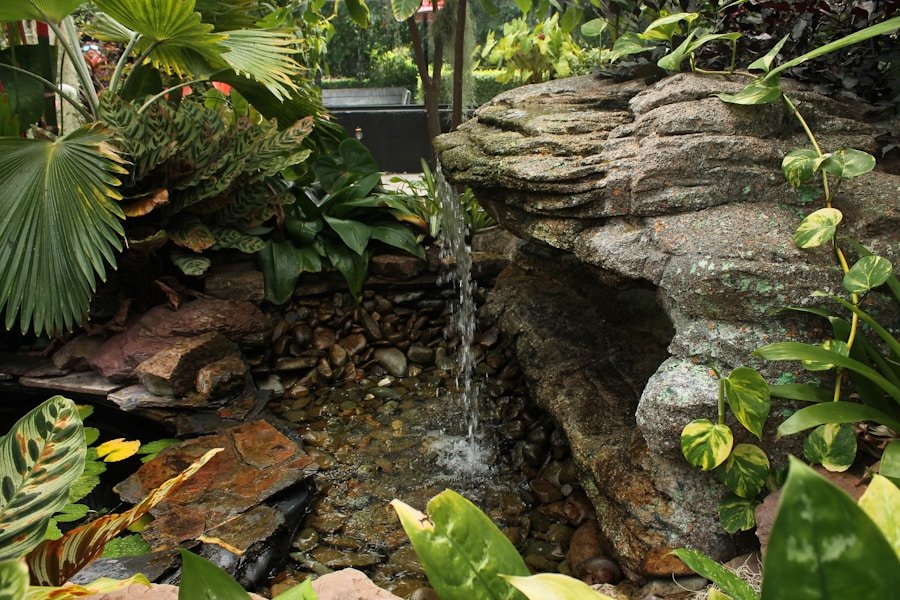
The following text offers practical advice for maintaining several popular houseplants.
Understanding the Core Needs of Popular Houseplants
Successfully cultivating popular houseplants such as Monstera, Fiddle Leaf Fig, Pothos, Snake Plant, and ZZ Plant requires a foundational understanding of their individual and shared environmental requirements. While each species possesses unique traits, consistent factors like light, water, and soil quality form the bedrock of their health. Neglecting these fundamental elements is akin to trying to build a house without a solid foundation; the structure, no matter how well-intentioned, will eventually falter.
The Importance of Light Spectrum and Intensity
Light is the engine that drives photosynthesis, the process by which plants convert light energy into chemical energy for growth. The specific type and amount of light each plant receives can dramatically influence its vigor.
Indirect Bright Light: The Sweet Spot for Many Tropicals
Monstera deliciosa and Fiddle Leaf Figs (Ficus lyrata) are commonly native to understory environments in tropical rainforests. This means they have evolved to thrive in dappled sunlight that filters through a denser canopy. In a home setting, this translates to indirect bright light. Imagine a sunbeam that has been softened by a sheer curtain, or located in a room that receives ample natural light but not direct, harsh sun for extended periods.
- Monstera: While adaptable, too much direct sun can scorch the delicate aerial roots and the broad leaves, leading to browning or yellowing. Conversely, insufficient light will result in smaller, less fenestrated (split) leaves and leggy growth as the plant stretches to find adequate illumination. Providing a location near an east-facing window or a few feet back from a south or west-facing window is often optimal.
- Fiddle Leaf Fig: This plant is notoriously sensitive to its light conditions. It demands consistent, bright indirect light. A slight deviation in its placement can trigger leaf drop. Think of it as a picky diner; it knows exactly what it wants. A location near a sunny window, but shielded from the midday sun’s intensity, is crucial. Rotating the plant periodically can encourage even growth on all sides.
Low Light Tolerance: Resilience in Shade
Pothos (Epipremnum aureum), Snake Plants (Sansevieria trifasciata, now Dracaena trifasciata), and ZZ Plants (Zamioculcas zamiifolia) exhibit a remarkable tolerance for lower light conditions. This makes them excellent choices for individuals with less access to bright windows.
- Pothos: These vining plants are a testament to adaptability. They can survive in rooms with minimal natural light and will often signal their displeasure with muted colors or slower growth. While they can tolerate low light, variegated varieties may lose some of their distinct markings in such conditions. Brighter indirect light will encourage more vibrant variegation and bushier growth.
- Snake Plant: Renowned for its hardiness, the snake plant is a champion of low light. It can endure environments where other plants would struggle. However, like most plants, it will perform better with some indirect light. Prolonged absence of any light will eventually lead to decline. Its upright, architectural form is maintained even in suboptimal lighting.
- ZZ Plant: This plant is exceptionally drought-tolerant and also possesses a significant degree of low-light tolerance. Its waxy, dark green leaves are adapted to conserve water and nutrients in challenging environments. While it can survive in dim conditions, growth will be significantly slower. Providing it with some indirect light will result in a more robust and faster-growing plant.
The Nuances of Watering: Avoiding the Extremes
Watering is perhaps the most critical yet most frequently mishandled aspect of houseplant care. Overwatering is a swift path to root rot, a fungal disease that suffocates a plant’s root system. Underwatering leads to dehydration, wilting, and eventual death. The key lies in understanding each plant’s individual watering needs. Observing the soil moisture is paramount.
Drench and Dry: The Method for Most Tropicals
Monstera, Fiddle Leaf Figs, and Pothos generally benefit from a “drench and dry” watering method. This involves watering thoroughly until water drains from the bottom of the pot, then allowing the top inch or two of soil to dry out completely before watering again. This mimics the natural cycles of moisture in their native habitats, preventing waterlogged conditions at the roots.
- Monstera: Allow the soil to dry out to about one-third of the way down the pot. The large leaves can also indicate a plant’s thirst by starting to droop slightly. When watering, ensure all the soil is moistened, and discard any excess water that collects in the saucer. This prevents the plant from sitting in stagnant water, which can lead to root rot.
- Fiddle Leaf Fig: This plant is particularly sensitive to overwatering. It is essential to allow the soil to dry out considerably between waterings. The “finger test” – inserting your finger about two inches into the soil – is a reliable indicator. If it feels dry, it’s time to water. If it feels moist, wait. Overzealous watering is a primary cause of leaf drop in Fiddle Leaf Figs.
- Pothos: Pothos are quite forgiving and will usually give visual cues when thirsty. Their leaves may start to lose some of their luster or droop slightly. Similar to Monstera, let the top inch of soil dry out before watering. They are more tolerant of occasional underwatering than their Monstera and Fiddle Leaf Fig counterparts.
Infrequent but Thorough: For Drought-Tolerant Species
Snake Plants and ZZ Plants are succulents and are adapted to arid conditions. They possess specialized tissues for storing water, making them highly drought-tolerant. They require significantly less frequent watering than their tropical counterparts.
- Snake Plant: Overwatering is the most common killer of snake plants. Allow the soil to dry out completely between waterings. In many cases, watering once a month, or even less frequently during winter months, may be sufficient. The soil should feel bone dry when you check it. These plants are more likely to survive a period of drought than a period of excess moisture.
- ZZ Plant: ZZ plants are masters of water conservation. Their thick, fleshy rhizomes store water, allowing them to endure extended dry spells. Water only when the soil is completely dry, which could be as infrequent as once every 3-4 weeks, or even longer for very mature plants in low-light conditions. It’s better to err on the side of underwatering than overwatering with a ZZ plant.
Soil Composition: The Plant’s Foundation
The substrate in which a plant’s roots reside is as crucial as the air it breathes or the water it drinks. The right soil mix provides aeration, drainage, and nutrients, acting as the plant’s anchor and sustenance provider. Using standard potting soil for all plants is akin to providing everyone with the same meal regardless of their dietary needs; some will thrive, others will suffer.
Well-Draining Mix: The Universal Requirement
All of the plants discussed – Monstera, Fiddle Leaf Fig, Pothos, Snake Plant, and ZZ Plant – benefit from well-draining soil. This prevents water from pooling around the roots, which is the precursor to root rot. A good potting mix should allow air to penetrate the soil, facilitating healthy root respiration.
Enhancing Drainage for Tropicals
For Monstera and Fiddle Leaf Figs, a standard potting mix can be enhanced to improve drainage. Adding perlite, orchid bark, or coco coir in equal parts to your potting mix will create a lighter, airier medium.
- Monstera: A mix that includes perlite, coco coir, and a small amount of compost will provide excellent aeration and drainage. It allows the roots to breathe while retaining enough moisture to keep the plant happy between waterings.
- Fiddle Leaf Fig: These plants appreciate a slightly chunkier mix. Combining potting soil with perlite and orchid bark in a roughly 2:1:1 ratio (potting soil: perlite: orchid bark) is often recommended. This ensures rapid drainage and prevents compaction, which can be detrimental to their sensitive root systems.
Adapting for Succulent Needs
Snake Plants and ZZ Plants, being more succulent in nature, require even better drainage. While standard potting mixes can be used, they require more significant amendment to mimic their native arid environments.
- Snake Plant: A cactus or succulent potting mix is ideal. Alternatively, you can create your own by combining equal parts potting soil, coarse sand, and perlite or pumice. This creates a gritty, fast-draining medium that mimics the sandy soils they grow in naturally.
- ZZ Plant: Similar to snake plants, ZZ plants thrive in a gritty, well-draining mix. A cactus mix, or a blend of potting soil with a generous amount of perlite, pumice, or coarse sand (often a 1:1 ratio of soil to amendments) will prevent waterlogging and promote healthy root development.
Nutrients and Fertilization: Fueling Growth
While healthy soil provides a baseline of nutrients, regular fertilization is often necessary to support robust growth, especially for plants that are actively growing. The type and frequency of fertilization depend on the plant’s stage of growth and the season.
Growing Season Boost: Spring and Summer
During the active growing seasons of spring and summer, plants are undertaking significant growth and require supplemental nutrients.
- Monstera and Pothos: A balanced liquid fertilizer (e.g., 10-10-10 or 20-20-20) diluted to half or quarter strength can be applied every 2-4 weeks during the growing season. Over-fertilizing can lead to salt buildup in the soil, which can damage roots.
- Fiddle Leaf Fig: These plants benefit from a balanced liquid fertilizer applied monthly during spring and summer. They are relatively heavy feeders when actively growing. Again, dilution is key to avoid burning the roots.
Dormancy and Reduced Needs: Fall and Winter
As light levels decrease and temperatures drop, most houseplants enter a period of dormancy or semi-dormancy. During this time, their growth slows, and their nutrient requirements diminish significantly.
- All Species: Fertilization should be significantly reduced or stopped entirely during the fall and winter months. Continuing to fertilize a resting plant can lead to an imbalance of nutrients and stress. Waiting until spring when new growth becomes apparent is the sensible approach.
Humidity and Airflow: Creating a Balanced Atmosphere
The environment surrounding a plant’s foliage is as important as the conditions at its roots. Humidity and airflow play crucial roles in plant health and can influence susceptibility to pests and diseases. Overlooking these elements is like neglecting the air a person breathes; it can lead to subtle but significant health issues.
Humidity Preferences: Mimicking Native Environments
Many popular houseplants, particularly those with tropical origins, thrive in higher humidity environments. Lack of adequate humidity can lead to dry, crispy leaf edges and can make plants more vulnerable to spider mites.
- Monstera and Fiddle Leaf Fig: These plants appreciate higher humidity levels, closer to what they would experience in their native rainforests. Grouping plants together can create a microclimate with increased humidity. Placing plants on pebble trays filled with water (ensuring the pot doesn’t sit directly in the water) is another effective method. Misting can offer temporary relief but is generally less effective for sustained humidity increases.
- Pothos: Pothos are relatively adaptable in terms of humidity, but they will flourish in environments with moderate to high humidity. Like Monstera, grouping or using pebble trays can be beneficial.
- Snake Plant and ZZ Plant: While these plants are adapted to drier conditions, they do not necessarily thrive in extremely dry air. Average household humidity is usually sufficient for these species. However, excessively dry air, particularly in heated homes during winter, can be detrimental.
Air Circulation: The Importance of Fresh Air
Good air circulation is essential for preventing fungal diseases and ensuring that plants have access to fresh carbon dioxide for photosynthesis. Stagnant air can become a breeding ground for pathogens.
- All Species: While direct, cold drafts should be avoided, ensuring some degree of airflow is beneficial. Opening windows periodically (unless outdoor conditions are extreme) can help refresh the air. Using a small fan on a low setting for a few hours a day in the room where plants are kept can also improve circulation without creating a strong wind. This is particularly important in rooms with limited ventilation.
Pest Management and Disease Prevention: Vigilance is Key
Even with meticulous care, houseplants can occasionally fall victim to pests or diseases. Proactive prevention and early detection are far more effective than trying to eradicate an established infestation. Think of it as preventative healthcare for your plants.
Regular Inspection: Your First Line of Defense
The most crucial step in pest and disease management is regular, thorough inspection of your plants. This means looking closely at the undersides of leaves, along stems, and in leaf axils.
- What to Look For: Common houseplant pests include spider mites (tiny webbing, stippled leaves), mealybugs (white, cottony masses), scale insects (small, immobile bumps), and aphids (small, soft-bodied insects). Signs of disease can include discolored spots, mildew, or wilting that isn’t related to watering issues.
- Frequency: Aim to inspect your plants at least once a week, ideally when you are watering them. This routine allows you to catch any problems in their nascent stages when they are easiest to address.
Early Intervention Strategies: Swift and Targeted Action
If you discover pests or signs of disease, act quickly and decisively.
- Minor Infestations: For minor pest issues, manual removal is often effective. You can wipe pests off with a damp cloth or cotton swab dipped in rubbing alcohol. For spider mites, a strong spray of water can dislodge them.
- Wider Issues: If an infestation is more widespread, consider using insecticidal soap or neem oil. These are generally less toxic than synthetic pesticides and can be effective against a range of common pests. Always follow product instructions carefully and test on a small area of the plant first.
- Disease: For fungal diseases, improving air circulation and ensuring proper watering techniques are paramount. Affected leaves may need to be removed. In severe cases, a fungicide might be necessary, but addressing the underlying environmental conditions is generally more effective long-term.
- Isolation: If you suspect a plant has a pest or disease, isolate it from your other plants to prevent the problem from spreading. This is a crucial step in protecting your entire collection.
Repotting and Pruning: Refreshing and Reshaping
Over time, plants outgrow their containers and can benefit from rejuvenation through repotting and pruning. These practices are not just about aesthetics; they are functional aspects of plant maintenance that contribute to long-term health and vigor.
The Need for Repotting: When Plants Outgrow Their Homes
Plants that have become root-bound will show signs of stunting, reduced growth, and a general lack of vigor. This occurs when the roots have filled the pot and are circling, restricting nutrient and water uptake.
- Signs of Being Root-Bound:
- Roots growing out of drainage holes.
- Water running straight through the pot without being absorbed.
- The plant drying out very quickly after watering.
- Slowed or stunted growth.
- Frequency: The frequency of repotting varies by plant species and growth rate. Generally, Monstera and Pothos may need repotting every 1-2 years, while Fiddle Leaf Figs and Snake Plants may require it less often, perhaps every 2-3 years. ZZ Plants can often go much longer without repotting.
- Process: When repotting, choose a pot that is only one or two sizes larger than the current container. Remove the plant carefully from its old pot, gently loosen any tightly bound roots, and repot into fresh, appropriate potting mix. Water thoroughly after repotting.
The Art of Pruning: Encouraging Bushiness and Shape
Pruning serves multiple purposes, including shaping the plant, encouraging bushier growth, and removing dead or damaged foliage.
- Monstera and Pothos: To encourage bushier growth on vining plants like Monstera and Pothos, you can prune back leggy stems. Cutting a stem just above a leaf node will stimulate new growth from that point. This is similar to pruning a rose bush to encourage more blooms.
- Fiddle Leaf Fig: Pruning a Fiddle Leaf Fig can help it branch out and become a fuller plant, rather than just a single, tall stalk. Prune back the top of the plant to encourage lateral growth. Remove any yellowing or damaged leaves by cutting them back to the main stem.
- Snake Plant and ZZ Plant: These plants generally require minimal pruning. Dead or damaged leaves can be removed at the base of the plant. For Snake Plants, if new pups (offshoots) are growing too densely, they can be carefully separated and repotted. ZZ Plants are slow growers and typically do not require much pruning.

By understanding and implementing these foundational principles, you can create an environment where your Monstera, Fiddle Leaf Fig, Pothos, Snake Plant, and ZZ Plants can not only survive but truly thrive, bringing life and a touch of nature into your living space.
FAQs
1. What are the ideal growing conditions for Monstera, Fiddle Leaf Fig, Pothos, Snake Plant, and ZZ Plants?
The ideal growing conditions for these plants include bright, indirect light, well-draining soil, and regular watering. They thrive in temperatures between 65-85°F and prefer higher humidity levels.
2. How often should I water these plants?
Monstera, Fiddle Leaf Fig, Pothos, Snake Plant, and ZZ Plants should be watered when the top inch of soil is dry. It’s important to avoid overwatering, as this can lead to root rot. In general, these plants prefer to dry out slightly between waterings.
3. What type of soil is best for these plants?
These plants thrive in well-draining soil that allows excess water to flow through easily. A mix of potting soil, perlite, and peat moss is ideal for providing the right balance of moisture retention and drainage.
4. How can I promote healthy growth for these plants?
To promote healthy growth, it’s important to regularly fertilize these plants during the growing season with a balanced, water-soluble fertilizer. Additionally, pruning any yellow or brown leaves, and providing adequate support for climbing plants like Monstera and Pothos can help maintain their health.
5. Are these plants safe for pets and children?
Monstera, Fiddle Leaf Fig, Pothos, Snake Plant, and ZZ Plants are toxic to pets and children if ingested. It’s important to keep these plants out of reach and to seek immediate medical attention if ingestion occurs.