Understanding Lux and Photosynthetically Active Radiation (PAR) for Optimal Plant Placement and Growth
This article explains the concepts of lux and Photosynthetically Active Radiation (PAR), two important units of measurement for light, particularly in the context of plant cultivation. It aims to provide a factual understanding of these concepts to assist in determining appropriate light levels for plants, thereby optimizing their placement and growth.
The Nature of Light and Plant Perception
Light, in its simplest form, is a form of electromagnetic radiation. For humans, we perceive a portion of this spectrum as visible light. However, plants, much like humans, have specific needs and preferences for light. Their interaction with light is fundamentally tied to their survival and growth mechanisms, primarily through photosynthesis. This process is the plant’s way of converting light energy into chemical energy, essentially their food.
The Electromagnetic Spectrum
The electromagnetic spectrum encompasses a wide range of radiation, from radio waves to gamma rays. Visible light, the portion we see, occupies a narrow band within this spectrum. What is visible to humans is not necessarily what is most useful for plants.
Photosynthesis: The Plant’s Energy Engine
Photosynthesis is a complex biochemical process that occurs within plant cells, specifically in organelles called chloroplasts. During photosynthesis, plants utilize light energy to convert carbon dioxide and water into glucose (a sugar) and oxygen. Glucose serves as the plant’s primary source of energy and building material, fueling its growth and development. Without sufficient and appropriate light, this engine falters.
Lux: Measuring Human Perception of Brightness
Lux is a unit of illuminance, which quantifies the amount of light that falls on a surface. Critically, lux measures light as perceived by the human eye. It represents the luminous flux per unit area. While useful for general lighting applications, its primary limitation for plant science lies in its human-centric measurement.
Understanding the Lux Scale
The lux scale ranges from very low values in dimly lit areas to high values in brightly sunlit environments. For example, a moonlit night might register less than 1 lux, while direct midday sun can exceed 100,000 lux. This broad spectrum allows for the specification of appropriate lighting levels for various human activities, from reading to industrial tasks.
How Lux is Measured
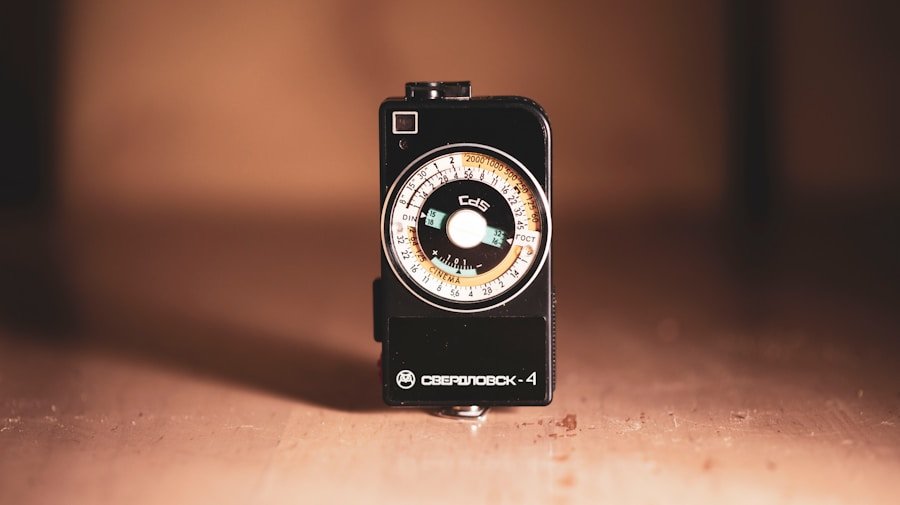
Lux meters (also known as photometers) are devices used to measure illuminance. They typically contain a sensor that is sensitive to the visible light spectrum, calibrated to match the spectral sensitivity of the human eye. The readings are then displayed in lux.
Limitations of Lux for Plant Growth
Because lux is weighted according to human vision, it does not accurately reflect the light wavelengths that plants utilize most effectively for photosynthesis. Plants are more sensitive to certain wavelengths within the visible spectrum and even into the ultraviolet and infrared regions, which are not fully accounted for by lux measurements. Using lux alone can lead to an underestimation of the light energy available for photosynthesis, or an overestimation if the light source emits heavily in wavelengths that humans perceive as bright but are less useful to plants.
Photosynthetically Active Radiation (PAR): The Plant’s Nutritional Light
Photosynthetically Active Radiation (PAR) is a measure of the light in the spectral range of 400 to 700 nanometers (nm) that is used by plants for photosynthesis. This specific range is often referred to as the “photosynthetic spectrum.” PAR is a more accurate metric for assessing the suitability of light for plant growth than lux.
The PAR Spectrum Explained
Within the PAR range, plants exhibit varying levels of photosynthetic efficiency. Generally, plants absorb red and blue wavelengths most effectively, while they reflect green wavelengths, which is why most plants appear green to us.
Blue Light (400-500 nm)
Blue light plays a crucial role in chlorophyll absorption and also influences photomorphogenesis, which are developmental processes in plants, such as leaf expansion and stem elongation. Too much blue light can lead to shorter, more compact growth.
Green Light (500-600 nm)
While often reflected, green light is still absorbed by plants and contributes to photosynthesis, particularly in lower canopy leaves or in dense plant growth where other wavelengths may be attenuated.
Red Light (600-700 nm)
Red light is highly effective for chlorophyll absorption and is a primary driver of photosynthesis. It also plays a significant role in flowering and seed germination.
Measuring PAR: Different Units, Same Goal
PAR itself is not a unit of measurement in the same way as lux. Instead, it is a spectral range. To quantify the amount of light within this range, scientists use units such as:
Photon Flux Density (PFD)
PFD measures the number of photons (light particles) within the PAR range that strike a surface per unit of time and area. This is a common and scientifically rigorous way to quantify PAR. The units are typically micromoles of photons per square meter per second (µmol m⁻² s⁻¹). This metric directly relates to the energy available for photosynthesis.
Daily Light Integral (DLI)
DLI represents the total amount of PAR received by a plant over a 24-hour period, measured in moles of photons per square meter per day (mol m⁻² day⁻¹). This is a critical metric for understanding the cumulative light energy a plant receives, which is essential for its overall growth and productivity throughout the day. DLI takes into account both the intensity and duration of light exposure.
Bridging the Gap: Lux vs. PAR
The fundamental difference between lux and PAR lies in their measurement approach. Lux is a photometric measurement, weighted for human vision, while PAR is a radiometric measurement, focused on the specific wavelengths that drive photosynthesis. This distinction is crucial for anyone aiming for optimal plant growth, as using lux alone can be misleading.
Spectral Power Distribution (SPD)
The spectral power distribution (SPD) of a light source describes the amount of light emitted at each wavelength. Different light sources, such as incandescent bulbs, fluorescent lights, and LEDs, have vastly different SPDs. A light source with a high lux output might have a poor SPD for plant growth if it doesn’t emit sufficient light within the PAR range, or if it emits heavily in wavelengths that plants don’t utilize efficiently.
Conversion is Not Direct
There is no single, universal conversion factor between lux and PAR. The relationship between the two is dependent on the SPD of the light source. For a light source rich in green light, a high lux reading might correspond to a lower PAR value. Conversely, a source rich in red and blue light might have a lower lux reading but a higher PAR value relative to its lux output. Therefore, relying on lux to estimate PAR is often inaccurate.
The Importance of PAR Meters
For any serious gardener or cultivator, a PAR meter is a more appropriate tool than a lux meter. PAR meters are designed to measure the photon flux density or DLI within the PAR spectrum, providing a direct indication of the light energy available for photosynthesis.
Factors Influencing Optimal Light Levels
Determining the “optimal” light level for a plant is not a one-size-fits-all answer. Several factors influence the ideal light requirements.
Plant Species and Variety
Different plant species have evolved under varying light conditions in their native environments, leading to diverse light requirements. For instance, shade-tolerant plants will thrive in lower light conditions than sun-loving plants.
Intolerant Plants
These plants, often found in open, sunny environments, require high light intensities for robust growth and flowering. Examples include many succulents, cacti, and some flowering annuals.
Moderate Light Plants
This group of plants can tolerate a range of light conditions and perform well with medium light levels. Many houseplants fall into this category.
Shade-Tolerant Plants
These plants are adapted to grow in low-light environments, such as forest understories. They can be susceptible to light burn if exposed to intense light.
Growth Stage
The light requirements of a plant can change as it progresses through its life cycle. Seedlings often benefit from gentler light, while flowering and fruiting stages may demand higher light intensities.
Vegetative Growth
During the vegetative stage, where the plant focuses on developing leaves and stems, a balanced spectrum of light is important, with both blue and red light contributing to healthy growth.
Flowering and Fruiting
For plants that produce flowers or fruit, higher light intensities are often necessary to support the energy demands of these reproductive processes.
Environmental Conditions
Beyond the light itself, other environmental factors interact with light to influence plant growth.
Temperature
Temperature affects metabolic rates, including photosynthesis. In warmer conditions, plants may be able to utilize light more efficiently, but excessive heat can also stress plants.
CO2 Levels
The concentration of carbon dioxide (CO2) in the atmosphere is a key ingredient for photosynthesis. Higher CO2 levels can allow plants to utilize light more effectively, provided other factors are not limiting.
Humidity
Humidity influences transpiration rates. High humidity can reduce water loss, which in turn can affect the plant’s ability to absorb nutrients and perform photosynthesis.
Practical Application: Using Light Measurements for Plant Placement
Understanding lux and PAR empowers you to make informed decisions about where to place your plants and what type of lighting to use.
Interpreting Light Readings
When using a lux meter or PAR meter, it’s important to understand the readings in the context of your specific plants and their needs. Researching the recommended light levels for your chosen species is a critical first step.
Placement Strategies
Consider the direction and intensity of natural light. South-facing windows generally receive the most light in the Northern Hemisphere, while east and west-facing windows receive moderate morning or afternoon sun, respectively. North-facing windows provide the least direct light.
Direct Sunlight
Plants that require high light levels, such as many flowering annuals and succulents, will benefit from placement in locations that receive several hours of direct sunlight daily.
Bright, Indirect Light
Many houseplants and other plants that prefer not to be scorched by direct sun will thrive in locations that receive bright light but are shielded from direct sunbeams, such as near a south-facing window but out of the direct path of the sun.
Low Light Conditions
Plants adapted to shade can be placed in areas with less natural light, such as rooms with north-facing windows or further away from windows in brighter rooms.
Artificial Lighting Considerations
When supplementing natural light or growing plants entirely indoors, selecting the appropriate artificial light source is paramount.
LED Grow Lights
Modern LED grow lights offer significant advantages in terms of energy efficiency and spectrum control. They can be engineered to emit specific wavelengths within the PAR range, allowing for tailored lighting solutions for different plants. When choosing LED grow lights, consult the manufacturer’s specifications regarding their PAR output (PFD or DLI).
Fluorescent Lights
T5 and T8 fluorescent lights are a more budget-friendly option for plant lighting, particularly for seedlings and lower-light plants. They provide a reasonable amount of light within the PAR spectrum.
Incandescent and Halogen Lights
These light sources are generally not recommended for plant growth. They produce a significant amount of heat and tend to emit light heavily in the yellow and red spectrum, with less output in the blue wavelengths crucial for vegetative growth. Their efficiency for plant growth is low.
Adjusting for Distance
The intensity of light decreases rapidly with distance from the source. This is often described by the inverse square law, which states that the intensity of light is inversely proportional to the square of the distance from the source. Therefore, the distance between your light source and your plants is a critical factor in determining the amount of light they receive. Keeping grow lights at the correct distance ensures that your plants receive the intended light intensity.

By understanding the fundamental differences between lux and PAR, and by utilizing appropriate measurement tools and research, you can provide your plants with the optimal light conditions they need to flourish. This informed approach moves beyond guesswork, allowing for precise control over the plant’s environment and ultimately leading to healthier, more productive growth.
FAQs
What is Lux and PAR and how do they relate to plant growth?
Lux is a unit of measurement for illuminance, or the amount of light that reaches a surface. PAR, or photosynthetically active radiation, measures the light that plants use for photosynthesis. Both Lux and PAR are important for understanding how much light a plant needs for optimal growth.
How can Lux and PAR be used to determine the best placement for plants?
By measuring Lux and PAR levels in different areas, you can determine the best placement for plants based on their light requirements. Some plants may need higher levels of Lux and PAR, while others may thrive in lower levels. Understanding these measurements can help you create the ideal environment for your plants.
What are the ideal Lux and PAR levels for different types of plants?
The ideal Lux and PAR levels vary depending on the type of plant. Generally, plants that require high light levels, such as succulents and cacti, need Lux levels of 10,000 or more, and PAR levels of 200-800 µmol/m²/s. Low light plants, like ferns and some tropical plants, thrive in Lux levels of 200-500 and PAR levels of 50-200 µmol/m²/s.
How can Lux and PAR be measured in a home environment?
Lux can be measured using a light meter, which measures the amount of light that reaches a surface. PAR can be measured using a quantum sensor, which specifically measures the light that plants use for photosynthesis. Both of these tools are readily available for purchase and can be used to measure light levels in a home environment.
What are some common mistakes to avoid when using Lux and PAR for plant placement?
One common mistake is assuming that all plants have the same light requirements. It’s important to research the specific Lux and PAR needs of each plant to ensure optimal growth. Additionally, relying solely on natural light may not always provide consistent Lux and PAR levels, so supplemental grow lights may be necessary for some plants.