
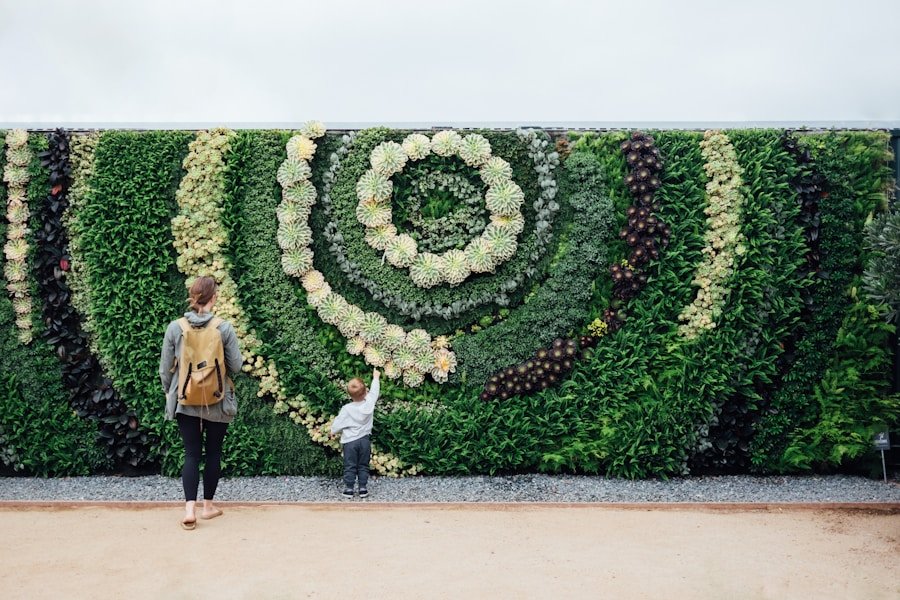
An indoor living wall, also known as a vertical garden or green wall, is a structure that allows plants to grow vertically, often attached to an interior wall. These systems integrate horticulture with architecture, offering functional and aesthetic benefits to indoor environments. This article provides guidance on designing and implementing your own indoor living wall.
Understanding Indoor Living Walls
Indoor living walls are complex systems requiring careful planning and regular maintenance. They differ from traditional potted plants in their vertical orientation and integrated infrastructure for plant support and irrigation.
Types of Indoor Living Walls
Indoor living walls typically fall into two main categories: panel systems and felt pocket systems.
Panel Systems
Panel systems consist of modular units, often made from plastic or metal, that hold planting medium and individual plants. These panels are typically attached to a waterproof backing board and include an integrated irrigation system. Water is usually delivered from the top and percolates through the system, reaching all plants. Drainage is collected at the bottom.
Felt Pocket Systems
Felt pocket systems utilize a series of attached fabric pockets, typically made from recycled PET felt. These pockets are sewn onto a waterproof backing material. Plants are placed directly into the pockets, which contain a growing medium. Irrigation is often delivered through a drip or trickle system, or by manual watering. Felt systems are generally lighter and offer more flexibility in design.
Benefits of Indoor Living Walls
Integrating an indoor living wall can offer several advantages beyond aesthetics.
Air Quality Improvement
Plants contribute to indoor air quality by absorbing certain volatile organic compounds (VOCs) and producing oxygen through photosynthesis. While the extent of this effect on a large scale is debated, individual living walls can contribute to a healthier indoor atmosphere, acting as a small biological filter.
Acoustic Dampening
The plant material and growing medium within a living wall can absorb sound waves, contributing to a reduction in reverberation and overall noise levels within a space. This can be particularly beneficial in open-plan offices or rooms with hard surfaces.
Biophilic Design Integration
Biophilic design, which seeks to connect humans with nature within the built environment, is a central tenet of living walls. Exposure to natural elements has been shown to reduce stress, improve cognitive function, and enhance overall well-being. A living wall serves as a palpable manifestation of this design philosophy.
Space Optimization
For locations with limited floor space, a vertical garden allows for the incorporation of a significant amount of plant life without occupying valuable horizontal real estate. This makes them suitable for urban apartments, offices, and commercial interiors.
Planning Your Indoor Living Wall
Successful implementation of an indoor living wall requires meticulous planning. Consider the environment, plant selection, and structural implications.
Site Selection
The chosen location for your living wall is paramount to its success. Consider light, humidity, and proximity to water and power.
Light Requirements
Plants have diverse light requirements. Assess the amount of natural light the proposed wall area receives. South-facing windows typically offer the most intense light, while north-facing windows provide less. If natural light is insufficient, supplemental artificial lighting will be necessary. Full spectrum LED grow lights are commonly employed for this purpose, mimicking sunlight. Lack of adequate light will lead to etiolation (stretching) and eventual demise of plants.
Humidity and Temperature
Indoor living walls introduce moisture into a space. Consider the existing humidity levels and how the living wall might affect them. Most tropical plants, commonly used in living walls, thrive in higher humidity environments (50-70%). Indoor temperatures should also be stable, typically between 18-24°C (65-75°F). Avoid locations near extreme temperature fluctuations, such as directly next to air conditioning vents or heat sources.
Accessibility
Consider accessibility for maintenance. The wall needs to be reachable for watering, pruning, pest control, and plant replacement. If the wall is particularly tall, a ladder or a system for elevating access may be necessary. Ensure access to power outlets for pumps and lighting, and a water source for irrigation.
Structural Considerations
A living wall can be substantial in weight, especially when fully saturated with water and plants. Consult a structural engineer if there are any concerns about the wall’s ability to support the weight.
Wall Support
The wall must be capable of bearing the load. Panel systems, with their integrated reservoirs and structural components, can be heavier than felt pocket systems. Ensure the mounting hardware is appropriate for the wall material (e.g., drywall, concrete, brick). A waterproof membrane behind the living wall system is crucial to protect the building structure from moisture damage. This membrane acts as a shield, preventing water from penetrating the wall and causing rot or mold.
Drainage Management
All indoor living walls require a drainage solution. Water that passes through the system needs to be collected and either recirculated or directed to a drain. A catchment tray or gutter at the base of the wall is standard. This tray should be easily accessible for cleaning to prevent stagnation and algae growth.
Plant Selection
Choosing the right plants is critical for the long-term health and aesthetic appeal of your living wall. Consider light, humidity, and growth habits.
Ideal Plant Characteristics
Select plants that are well-suited to indoor conditions and the specific microclimate created by the living wall.
Low Maintenance
Prioritize plants that require minimal intervention. Succulents, certain ferns, and some aroids are generally hardy and forgiving. Avoid plants with very specific watering schedules or those prone to frequent pest infestations.
Moderate Growth Rate
Opt for plants with a moderate growth rate. Plants that grow too slowly may leave the wall looking sparse, while those that grow too quickly will require constant pruning and can outcompete their neighbors.
Humidity Tolerance
As living walls create a localized humid environment, plants that tolerate or prefer higher humidity will thrive. Many tropical and subtropical species are good candidates.
Disease and Pest Resistance
Choosing resistant varieties reduces the need for chemical intervention and minimizes the risk of spreading pests throughout the entire system. Inspect plants thoroughly before purchase to avoid introducing existing problems.
Recommended Plant Species
A diverse selection of plants can create visual interest and ecological resilience.
Foliage Plants
Many common houseplants are excellent choices for living walls. Examples include various species of Pothos ( Epipremnum aureum), Philodendron ( Philodendron spp.), Ferns (e.g., Boston fern, Kimberly queen fern), ZZ plant (Zamioculcas zamiifolia), and Peace Lily (Spathiphyllum spp.). These plants offer varied leaf shapes, textures, and shades of green.
Flowering Plants
For a splash of color, consider plants like Bromeliads (Bromeliaceae family), Anthuriums (Anthurium spp.), or Orchids (Orchidaceae family). These often require slightly more specific care regarding light and humidity.
Edible Plants
While less common for purely aesthetic living walls, certain herbs and small leafy greens can be grown. Options include basil, mint, oregano, thyme, and various lettuce varieties. These typically require higher light levels and consistent moisture.
Irrigation and Nutrient Delivery
A robust irrigation system is the lifeblood of an indoor living wall. Consistent and appropriate watering is non-negotiable.
Irrigation Systems
Most indoor living walls utilize automated irrigation to ensure consistent water delivery.
Drip Irrigation
Drip irrigation systems consist of small emitters that deliver water directly to the root zone of each plant. This method is efficient, minimizes water waste, and reduces the risk of fungal issues associated with wet foliage. Timers can automate the watering schedule.
Recirculating Systems
Recirculating systems collect drainage water, filter it, and then pump it back to the top of the wall for reuse. This significantly reduces water consumption and is environmentally friendly. However, recirculating systems require more complex filtration and monitoring to prevent the buildup of pathogens or nutrient imbalances.
Manual Watering
For smaller living walls or systems where automation is not feasible, manual watering can be employed. This requires diligence and careful monitoring of soil moisture levels. A watering can with a narrow spout is useful for targeting specific plants.
Nutrient Management
Plants on a living wall will deplete the nutrients in their growing medium over time, akin to a bank account running low on funds.
Fertilization
Regular fertilization is essential. Liquid fertilizers, diluted to appropriate concentrations, can be added to the irrigation water. The frequency and type of fertilizer will depend on the plants’ needs and the growing medium. It is advisable to use a slow-release granular fertilizer initially incorporated into the growing medium, supplemented by liquid feeding.
pH Monitoring
Maintaining the correct pH balance of the nutrient solution is crucial for nutrient uptake. Most plants thrive in a slightly acidic to neutral pH range (5.5-6.5). pH testing kits or meters can be used to monitor and adjust as needed.
Maintenance and Care
Like any garden, a living wall requires ongoing attention to thrive. Regular maintenance prevents issues before they escalate.
Watering Schedules
The watering schedule is determined by factors such as plant type, environmental humidity, and the type of growing medium. Frequent checks of the growing medium for moisture are advisable, as is observing plants for signs of stress (e.g., wilting, yellowing leaves). Automated systems require periodic calibration and checks to ensure emitters are not clogged and water is distributing evenly.
Pruning and Grooming
Regular pruning maintains the aesthetic appeal of the wall and promotes healthy growth. Remove dead or yellowing leaves, trim back overly zealous growth, and pinch back growing tips to encourage bushiness. This process is similar to giving a regular haircut to maintain a desired shape.
Pest and Disease Management
Inspect plants regularly for signs of pests (e.g., aphids, spider mites, mealybugs) or diseases (e.g., fungal spots). Early detection is key. Integrated Pest Management (IPM) strategies, which prioritize non-chemical methods, are recommended. This can include manual removal, insecticidal soaps, beneficial insects, or neem oil. Severe infestations may necessitate removing and replacing affected plants to prevent spread.
Plant Replacement
Even with optimal care, individual plants may decline. Have a plan for replacing plants when necessary. This might involve keeping a small nursery of replacement plants or sourcing them from a local garden center. Plant replacement is a routine aspect of maintaining the vitality and appearance of a living wall, analogous to replacing a worn-out component in a machine.
Conclusion

Designing and implementing an indoor living wall is a multi-faceted project, offering tangible benefits to indoor environments. By carefully considering site selection, structural integrity, plant physiology, and ongoing maintenance, individuals can successfully integrate these dynamic horticultural features into their spaces. A well-executed living wall serves as a testament to the integration of nature within human-made environments, contributing to both aesthetic appeal and overall well-being.
FAQs
What is an indoor living wall?
An indoor living wall is a vertical garden that is designed to grow plants on a vertical surface, such as a wall. It is a popular way to bring greenery and nature into indoor spaces, and can be designed in a variety of styles and sizes.
What are the benefits of having an indoor living wall?
Indoor living walls can improve air quality by filtering out pollutants and increasing oxygen levels. They also provide a sense of well-being and can help reduce stress. Additionally, they can serve as a design focal point and add a natural element to interior spaces.
How can I design my own indoor living wall?
To design your own indoor living wall, you will need to consider factors such as the location, lighting, and type of plants you want to use. You will also need to choose a suitable structure or system for mounting the plants, and ensure proper irrigation and maintenance.
What are some tips for maintaining an indoor living wall?
Regular maintenance is essential for the health and longevity of an indoor living wall. This includes watering the plants, pruning and trimming as needed, and monitoring for pests or diseases. It is also important to provide adequate light and nutrients for the plants.
What are some popular plants for indoor living walls?
Popular plants for indoor living walls include ferns, succulents, mosses, and air plants. These plants are well-suited for vertical growing and can thrive in the typically lower light conditions found indoors. It is important to choose plants that are compatible with the specific growing environment of your living wall.