


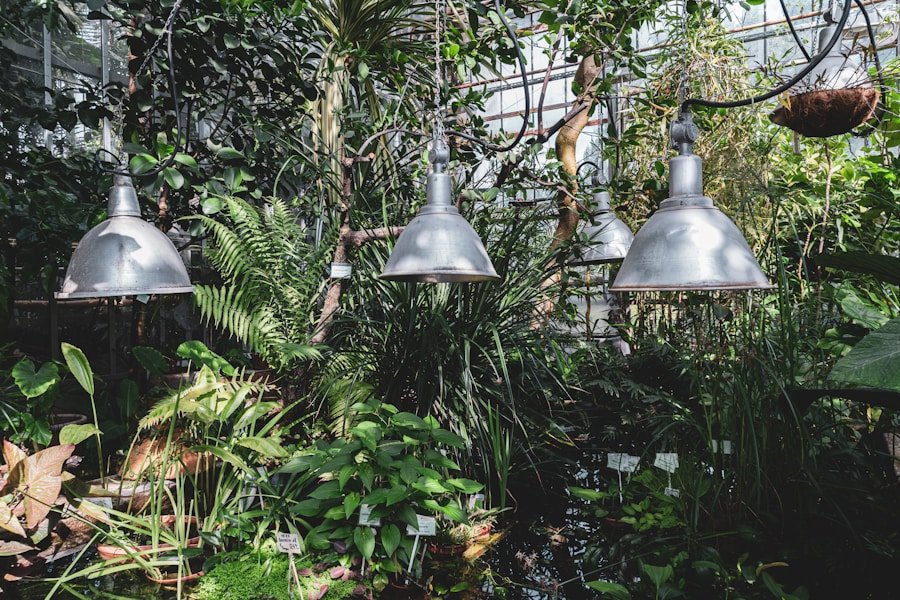
This article discusses “Bring the Orchard Inside: A Beginner’s Guide to Growing Indoor Fruiting Plants,” a resource aimed at individuals new to cultivating fruit-bearing plants within a domestic environment. The guide provides foundational knowledge and practical advice for successfully managing such plants, aiming to demystify the process and encourage horticultural engagement.
Understanding the Indoor Fruiting Environment
Indoor fruit cultivation presents unique challenges and opportunities compared to traditional outdoor gardening. Success hinges on replicating, as closely as possible, the ideal conditions that a plant would experience in its natural habitat, but within the confines of a home. This requires careful consideration of several key environmental factors that directly influence plant health, growth, and fruit production. Unlike an outdoor orchard, where nature provides a substantial portion of the necessary elements, an indoor grower acts as the primary steward of these factors.
Light: The Sun’s Stand-in
Light is arguably the most critical element for any photosynthetic organism, and fruit plants are no exception. In an indoor setting, mimicking the intensity and duration of natural sunlight is paramount. Without sufficient light, plants will struggle to photosynthesize, leading to weak growth, a lack of flowering, and consequently, no fruit.
Natural Light Sources
Windows, particularly south-facing ones in the Northern Hemisphere, can provide significant natural light. However, the intensity and duration of this light vary considerably with season, latitude, and local weather patterns. Even the brightest window can cast a dim shadow compared to direct outdoor sunlight, especially during winter months. The angle of incidence is also a factor; light that enters at a steep angle is less effective than light that strikes perpendicularly.
Artificial Lighting Solutions
For consistent and adequate illumination, artificial grow lights are often a necessity. These lights are designed to emit specific wavelengths of light that plants utilize for photosynthesis, often referred to as the “light spectrum.”
Full-Spectrum Grow Lights
Full-spectrum lights aim to mimic the natural sunlight spectrum, providing a balance of red and blue wavelengths, crucial for vegetative growth and flowering, respectively, as well as other wavelengths that support overall plant health. Light-emitting diode (LED) grow lights have become a popular choice due to their energy efficiency, longevity, and customizable spectrums. They produce less heat than older technologies, reducing the risk of scorching plants.
Incandescent and Fluorescent Lights
Incandescent bulbs are generally unsuitable for plant growth due to their high heat output and an unfavorable light spectrum. Fluorescent lights, particularly specialized grow-light varieties, can be effective for smaller plants or as supplementary lighting when used in combination with other sources. However, they may not provide the intensity required for robust fruiting.
Light Duration and Intensity
Most fruiting plants require between 12 and 16 hours of light per day. This can be achieved through a combination of natural and artificial light. The intensity, measured in photosynthetically active radiation (PAR) or foot-candles, is equally important. Plants that would thrive in full sun outdoors will require significantly higher light intensity indoors than those accustomed to partial shade. Monitoring light intensity and duration is a continuous task for the indoor grower.
Temperature and Humidity: Mimicking Climate Zones
Replicating the ambient temperature and humidity of a plant’s native climate is crucial for its well-being and productive fruiting. Indoor environments, especially those with climate control, can be quite different from the natural habitats of many fruiting plants.
Optimal Temperature Ranges
Different fruit plants have distinct optimal temperature ranges for growth and fruiting. For instance, citrus plants generally prefer warmer temperatures (20-30°C or 68-86°F), while certain berries might tolerate cooler conditions. Maintaining consistent temperatures, avoiding drastic fluctuations, is vital. Extremes of heat or cold can stress the plant, hindering flower development, fruit set, or even causing plant death.
Managing Humidity Levels
Humidity, the amount of water vapor in the air, is another significant factor. Many tropical and subtropical fruiting plants, common candidates for indoor growing, thrive in higher humidity environments than typically found in most homes. Low humidity can lead to issues such as dried-out leaf tips, reduced flower production, and increased susceptibility to pests.
Increasing Humidity
Several methods can be employed to increase humidity around indoor plants. Using a pebble tray filled with water beneath the pot allows for gradual evaporation, increasing local humidity. Misting the plant can offer temporary relief but is often insufficient. Humidifiers, either portable or whole-house systems, are the most effective means of consistently raising humidity levels. Grouping plants together can also create a microclimate with higher humidity.
Soil and Potting Medium: The Foundation for Growth
The medium in which a plant grows is its anchor and its primary source of sustenance. For indoor fruiting plants, selecting the correct potting mix is fundamental to their health and ability to produce fruit. Unlike garden soil, which can be heavy and poorly draining, potting mixes are formulated to provide optimal aeration, drainage, and nutrient retention for containerized plants.
Key Properties of Potting Mixes
A good potting mix for fruiting plants should be well-draining to prevent root rot, a common issue with overwatering. It should also retain sufficient moisture to keep the roots hydrated between waterings. Proper aeration ensures that plant roots receive adequate oxygen, which is essential for respiration and nutrient uptake.
Organic Matter and Amendments
Potting mixes typically consist of a blend of organic materials such as peat moss, coco coir, compost, and bark. These components provide structure, retain moisture, and supply nutrients. Amendments like perlite or vermiculite are often added to improve drainage and aeration. For fruiting plants, a slightly more nutrient-rich mix might be beneficial, but it should still prioritize drainage.
Pot Size and Drainage
The size of the pot plays a crucial role in root development and overall plant health. A pot that is too small will restrict root growth, leading to root-bound plants, which can stunt growth and reduce fruit production. Conversely, a pot that is too large can hold excess moisture, increasing the risk of root rot. Always choose pots with adequate drainage holes to allow excess water to escape. Over time, plants will need to be repotted into larger containers as they grow.
Watering and Drainage: A Delicate Balance
Water is the lifeblood of plants, but in container gardening, finding the right watering frequency and amount can be challenging. Overwatering is a leading cause of death for indoor plants, especially fruiting varieties, as it suffocates roots and creates an environment conducive to fungal diseases. Underwatering, on the other hand, will stress the plant, leading to wilting, leaf drop, and a failure to flower or set fruit.
Determining When to Water
The most reliable method for determining when to water is to check the moisture level of the soil. Insert a finger about two inches into the potting mix. If it feels dry, it is time to water. If it feels moist, wait longer. Moisture meters can also be used for a more precise reading, but they are not always entirely accurate. Observing the plant itself can also provide clues; wilting leaves are a sign of thirst, although they can also indicate overwatering if the soil is already saturated.
Proper Watering Techniques
When watering, saturate the soil thoroughly until water drains from the bottom of the pot. Discard any excess water that collects in the saucer after about 30 minutes. This ensures that the entire root ball is hydrated and that stagnant water, which promotes root rot, is removed. Watering in the morning allows any excess moisture on the foliage to dry before nightfall, reducing the risk of fungal diseases.
Fertilization: Fueling Fruit Production
To produce fruit, plants require a steady supply of nutrients. While potting mixes contain some initial nutrients, these will be depleted over time. Regular fertilization is essential to replenish these nutrients and provide the plant with the energy needed for flowering and fruit development.
Nutrient Requirements for Fruiting Plants
Fruiting plants generally have higher requirements for phosphorus and potassium, which are critical for flowering and fruit development, compared to other nutrients. Nitrogen is important for vegetative growth but should be balanced to avoid excessive leafy growth at the expense of flowering.
Types of Fertilizers
A balanced liquid fertilizer with a slightly higher middle number (phosphorus) can be effective. For fruiting plants, a fertilizer labelled specifically for them, or one with an N-P-K ratio that reflects their needs, is often recommended. Organic fertilizers, such as compost tea or fish emulsion, release nutrients slowly and can improve soil health.
Fertilizing Schedule
The frequency of fertilization depends on the type of fertilizer used and the plant’s growth stage. Liquid fertilizers are typically applied every 2-4 weeks during the growing season, while slow-release fertilizers are applied less frequently. It is crucial to follow the manufacturer’s instructions for dosage, as over-fertilization can damage plant roots and inhibit growth.
Selecting Your Indoor Orchard Candidates
Choosing the right fruit-bearing plants for indoor cultivation is a key step in ensuring success. Not all fruit plants are equally suited to the limitations and conditions of an indoor environment. Experienced growers often recommend starting with species that are known to be more forgiving and adaptable.
Compact and Dwarf Varieties
Many fruit trees and bushes have been specifically bred toremain small and manageable, making them ideal for container growing. These dwarf or semi-dwarf varieties still produce fruit, but their stature prevents them from outgrowing indoor spaces.
Citrus Trees
Dwarf citrus varieties such as lemons (e.g., Meyer lemon), limes, and calamondins are popular choices. They are relatively hardy, can tolerate a range of indoor conditions with proper care, and their attractive foliage and fragrant flowers add aesthetic appeal.
Berry Bushes
Certain varieties of blueberries, strawberries, and even compact raspberry or blackberry bushes can be grown indoors. Strawberries, in particular, are well-suited to hanging baskets or pots and can yield fruit throughout the year under optimal conditions.
Herbaceous and Self-Pollinating Species
Plants that do not require cross-pollination or have a simpler pollination mechanism are often easier to manage indoors.
Strawberries and Certain Herbs
Strawberries are generally self-pollinating, meaning a single plant can produce fruit. Many herbs that produce edible fruits or seeds, such as certain types of peppers (e.g., dwarf chili peppers), are also good candidates.
Fig Trees
Fig trees, especially younger or smaller varieties, can be grown indoors. Some fig varieties are self-pollinating, simplifying the fruiting process.
Plants Requiring Minimal Chill Hours
Plants that require a significant winter rest period with prolonged cold (chill hours) are less suitable for consistent indoor environments, as maintaining these conditions is difficult.
Tropical and Subtropical Fruits
Many tropical and subtropical fruits, such as papayas, passionfruit, and certain dwarf banana varieties, can thrive indoors and do not have stringent chill hour requirements. These plants often appreciate the consistent warmth found in many homes.
Propagation and Planting Techniques
Starting your indoor orchard from seeds or cuttings requires understanding basic propagation methods. This process lays the groundwork for future fruit production.
Starting from Seeds
While appealing for its cost-effectiveness, growing from seed can be a longer process and may not always result in a plant true to its parent, especially for hybrid varieties.
Seed Viability and Pre-treatment
Ensure seeds are from a reputable source and check their viability. Some seeds require stratification (a period of cold and moisture) or scarification (breaking the seed coat) to germinate. Research specific seed requirements.
Sowing and Germination Conditions
Use a sterile seed-starting mix and sow seeds at the depth recommended for their type. Maintain consistent moisture and warmth, which can be achieved using a heat mat and a humidity dome. Patience is key, as germination times vary widely.
Propagating from Cuttings
Taking cuttings from existing healthy plants is a faster way to obtain new plants and ensures that the new plant will be genetically identical to the parent.
Stem Cuttings
Select healthy, non-flowering stems, usually from new growth. Cut a section of stem about 4-6 inches long, removing the lower leaves. The cut end can be dipped in rooting hormone to encourage root development.
Rooting Medium and Conditions
Insert the cutting into a well-draining rooting medium, such as perlite and peat moss. Keep the medium consistently moist but not waterlogged, and maintain high humidity around the cutting, often by covering it with a plastic bag or placing it in a propagator. Roots typically form within a few weeks.
Transplanting and Potting
Once seedlings have developed a few sets of true leaves or cuttings have established a strong root system, they can be transplanted into their own pots.
Container Selection
Choose pots with adequate drainage holes and a size appropriate for the plant’s current stage of development. As the plant grows, it will need to be transplanted into progressively larger containers.
Soil Preparation
Use a high-quality potting mix formulated for container plants. Ensure the mix is moist before transplanting. Gently place the plant into the new pot, filling around the root ball with the potting mix, and water thoroughly to settle the soil.
Essential Care and Maintenance Practices
Once your indoor fruit plants are established, consistent care and attention are crucial for their health and productivity. This involves a routine of watering, feeding, and environmental monitoring.
Pruning and Training
Pruning is not merely about shaping a plant; it is a vital practice for improving airflow, encouraging fruit production, and managing the plant’s size and form. For indoor plants, judicious pruning is especially important to maintain a manageable size and optimize light exposure.
Encouraging Bushy Growth
For many fruiting plants, pinching back the tips of young stems encourages side shoots, leading to a bushier, more compact plant. This increased branching can lead to more flowering sites.
Removing Dead or Diseased Material
Regularly inspect plants for any dead, damaged, or diseased leaves, stems, or branches. Promptly remove these to prevent the spread of any issues and to redirect the plant’s energy to healthy growth.
Fruit Thinning
Once fruit begins to develop, thinning can be beneficial. Removing some of the smaller or less well-formed fruits allows the plant to direct more energy to the remaining fruits, resulting in larger, higher-quality produce.
Pest and Disease Management
Indoor environments can sometimes be breeding grounds for common household pests. Vigilant observation and early intervention are key to preventing infestations from damaging your plants.
Identifying Common Pests
Common indoor plant pests include spider mites, mealybugs, aphids, and whiteflies. These can often be spotted on the undersides of leaves or on new growth. Look for webbing, sticky residue, or tiny insects themselves.
Prevention and Control Strategies
Good airflow, proper watering, and maintaining appropriate humidity levels can help prevent many pest problems. If an infestation is detected, isolation of the affected plant is a primary step to prevent spread.
Natural and Organic Treatments
For minor infestations, manual removal of pests with a damp cloth can be effective. Insecticidal soaps and horticultural oils are natural options that can suffocate pests. Neem oil is another broad-spectrum organic pesticide.
Chemical Treatments (Use with Caution)
If natural methods prove insufficient, carefully selected chemical insecticides can be used. Always read and follow product labels precisely, and avoid spraying near food preparation areas or where children and pets have access.
Pollination Support
While some indoor fruit plants are self-pollinating, others may require assistance, especially if natural pollinators (insects) are absent indoors.
Manual Pollination
For plants that require cross-pollination or have inefficient natural pollination, manual intervention can be employed. Using a small brush or cotton swab, gently transfer pollen from the stamen of one flower to the pistil of another (or within the same flower, depending on the plant’s structure).
Encouraging Pollinators Indoors
For smaller fruiting plants like strawberries or certain berries, gently shaking the plant to simulate wind movement can help release pollen. Ensuring adequate airflow within the growing space is also beneficial.
Harvesting Your Indoor Bounty
The culmination of your efforts is the harvest. Knowing when and how to harvest your indoor-grown fruits ensures you enjoy them at their peak flavor and ripeness.
Signs of Ripeness
The indicators of ripeness vary significantly between different fruit types. General signs often include changes in color, a softening of the flesh, and a distinct aroma.
Visual Cues
For berries, this usually means a deep, consistent color throughout the fruit. Citrus fruits will typically exhibit their characteristic color and may become slightly softer to the touch. Peaches or nectarines will show a vibrant hue and a slight yielding when gently squeezed.
Aroma and Texture
Many fruits develop a sweet, fragrant aroma when ripe. The texture is another key indicator; a ripe fruit will generally be slightly yielding rather than hard or firm.
Harvesting Techniques
The method of harvesting should be gentle to avoid damaging the fruit or the plant.
Picking Techniques
Berries are typically picked by gently pulling them from their stems, often with a slight twist. Citrus fruits can be cut or twisted from the branch, ensuring the stem is severed cleanly. For larger fruits, using pruning shears can provide a clean cut.
Post-Harvest Handling and Storage
Once harvested, fruits should be handled with care to prevent bruising. Depending on the type of fruit, they may be consumed immediately or stored. Some fruits, like certain berries, are best enjoyed fresh, while others, such as citrus, can be stored for longer periods in appropriate conditions. Understanding the specific storage requirements for each fruit will maximize its shelf life and flavor.
FAQs
1. What are some common indoor fruiting plants that beginners can grow?
Some common indoor fruiting plants that beginners can grow include citrus trees (such as lemons, limes, and oranges), fig trees, dwarf banana plants, and dwarf apple or cherry trees.
2. What are the key factors to consider when growing indoor fruiting plants?
Key factors to consider when growing indoor fruiting plants include providing adequate sunlight, maintaining proper humidity levels, ensuring good air circulation, using well-draining soil, and providing regular fertilization and watering.
3. Can indoor fruiting plants produce fruit year-round?
Indoor fruiting plants can produce fruit year-round under the right conditions, such as providing sufficient light, maintaining proper temperature and humidity levels, and ensuring proper care and maintenance.
4. How can beginners troubleshoot common issues when growing indoor fruiting plants?
Beginners can troubleshoot common issues when growing indoor fruiting plants by addressing problems such as pest infestations, nutrient deficiencies, overwatering or underwatering, and inadequate light exposure. Consulting with a local nursery or gardening expert can also provide valuable guidance.
5. Are there any specific tips for successfully growing indoor fruiting plants?
Specific tips for successfully growing indoor fruiting plants include choosing the right container size, providing regular pruning and shaping, using organic fertilizers, and monitoring for signs of stress or disease. Additionally, paying attention to the specific needs of each type of fruiting plant can help ensure successful growth and fruit production.