


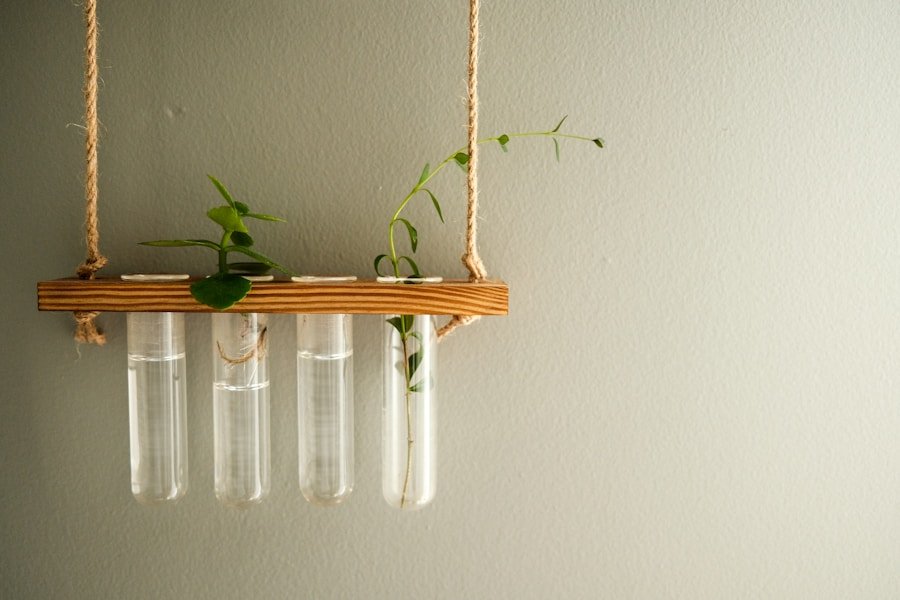
A well-established plant collection can be a source of satisfaction, but expanding it through propagation offers a cost-effective and rewarding avenue. This article outlines the principles and practical steps for creating a budget-friendly propagation setup designed to foster healthy plant growth. The focus is on utilizing readily available materials and simple techniques, empowering individuals to increase their plant inventory without significant financial outlay.
Understanding Propagation Fundamentals
Propagation is the process of creating new plants from existing ones. It is a cornerstone of horticulture, allowing for the replication of desirable traits and the expansion of plant populations. Two primary methods of propagation exist: sexual propagation (involving seeds) and asexual propagation (vegetative propagation), which utilizes plant parts like stems, leaves, or roots. For the purpose of budget-friendly setups, asexual propagation often presents more immediate and reliable results, particularly for cloning specific varieties.
Sexual Propagation: The Seed Starting Path
Sexual propagation relies on the genetic contribution of both parent plants, leading to offspring that may exhibit variations from the parents. This method is fundamental for creating new cultivars and for plants where seed production is easily achievable.
Seed Viability and Storage
The success of seed propagation hinges on the viability of the seeds. Seeds can remain viable for varying durations depending on the species and storage conditions. Optimal storage involves a cool, dry, and dark environment. For many common seeds, airtight containers or envelopes stored in a refrigerator can extend their lifespan. Monitoring expiration dates or provenance information can provide an indication of potential viability.
Germination Requirements
Seeds require specific environmental conditions to germinate. These typically include moisture, appropriate temperature, and light (or darkness, depending on the species). Understanding the native habitat of the plant you intend to grow from seed provides clues to its germination needs.
- Moisture: Consistent moisture is crucial, but waterlogged conditions can lead to rot. A balance is key.
- Temperature: Many seeds have specific temperature ranges for germination. Some require stratification (a period of cold treatment) to break dormancy.
- Light: Some seeds germinate best in light, while others require darkness. This information is often found on seed packets or through plant-specific resources.
Asexual Propagation: Cloning Nature’s Designs
Asexual propagation, also known as vegetative propagation, produces offspring genetically identical to the parent plant. This is the preferred method when you want to guarantee specific traits, such as flower color, leaf pattern, or disease resistance. It bypasses the genetic lottery of seed germination.
Stem Cuttings: The Workhorse of Propagation
Stem cuttings are small pieces of stem, often with leaves attached, that are induced to root. This is one of the most common and accessible methods of asexual propagation. The success rate depends on the plant species, the type of cutting, and the environmental conditions provided.
Types of Stem Cuttings
- Softwood Cuttings: Taken from the current season’s growth, these are generally easy to root, especially in spring and early summer. They are pliable and can be bent without snapping.
- Semi-hardwood Cuttings: Taken from slightly more mature wood, typically in mid to late summer. They are firmer than softwood cuttings but still somewhat flexible.
- Hardwood Cuttings: Taken from dormant, mature wood, usually in late fall or winter. These are the most difficult to root but are essential for some woody plants.
Preparing Stem Cuttings
Precise preparation is vital for successful rooting.
- Selection of the Parent Plant: Choose a healthy, vigorous parent plant free from pests and diseases. The energy reserve within the parent plant directly translates to the success of its offspring.
- Taking the Cutting: Using a clean, sharp tool (a razor blade, sharp knife, or sterile secateurs), take a cutting of the desired length, typically 4-6 inches. Make the cut just below a leaf node, the point where leaves emerge from the stem, as this is where rooting hormones are concentrated.
- Removing Lower Leaves: Strip off the lower leaves from the cutting, leaving only a few at the top. This reduces water loss through transpiration and prevents decay within the rooting medium.
- Wounding (Optional but Beneficial): For some plants, slightly scraping the bark off the bottom 1-2 inches of the stem can expose more surface area for rooting hormone absorption and root development.
Leaf Cuttings: A Delicate Approach
Leaf cuttings involve using a single leaf or a portion of a leaf to generate a new plant. This method is particularly effective for succulents and certain houseplants.
Methods of Leaf Cuttings
- Whole Leaf Cuttings: The entire leaf, including the petiole (leaf stalk), is inserted into the rooting medium. New plantlets will emerge from the base of the petiole.
- Leaf Section Cuttings: For plants with large leaves (e.g., Begonias), the leaf can be cut into sections, with each section containing at least one main vein. These sections are then laid on or slightly pressed into the rooting medium.
Root Cuttings: Tapping into Underground Reserves
Root cuttings utilize pieces of root to produce new shoots. This method is effective for perennial plants that spread via rhizomes or root systems.
Using Root Cuttings
- Extraction: Carefully excavate healthy roots from the parent plant.
- Sectioning: Cut the roots into sections of 2-4 inches. Ensure each section contains at least one bud or area where buds are likely to form.
- Planting: Plant the root sections horizontally or vertically in the rooting medium, ensuring the end closest to the crown of the plant is facing upwards.
Essential Components of a Budget Propagation Setup
A successful propagation setup does not require specialized or expensive equipment. The focus is on providing the core elements necessary for plant roots to form and new growth to emerge.
The Rooting Medium: A Foundation for Growth
The rooting medium is where the cuttings are placed to develop roots. It needs to provide support, moisture retention, and aeration.
Cost-Effective Media Options
- Perlite and Vermiculite Mix: These are lightweight, sterile materials that offer excellent drainage and aeration, preventing root rot. They are readily available at garden centers and are relatively inexpensive. A 1:1 ratio is a common starting point.
- Coir (Coconut Fiber): A sustainable and renewable alternative to peat moss, coir offers good moisture retention and aeration. It is often sold in compressed bricks that expand when watered.
- Sand: Horticultural sand can be an effective component, providing excellent drainage. Ensure it is coarse and washed to remove fine particles that can impede aeration.
- Perlite and Sand Mix: A combination that balances drainage and some moisture retention.
- Potting Soil (with Modifications): While standard potting soil can be used, it often retains too much moisture for delicate cuttings. Mixing it with perlite or vermiculite in a 1:1 or 2:1 ratio will improve drainage.
Sterilizing Your Medium
To prevent fungal diseases and damping off, it is good practice to sterilize your rooting medium.
- Baking: Spread the medium thinly on a baking sheet and bake in an oven at around 180°F (82°C) for 30 minutes. Allow it to cool completely before use.
- Microwaving: Place the medium in a microwave-safe container and microwave on high for 90 seconds to 2 minutes, stirring halfway through. Allow to cool. Be cautious of steam.
Containers for Propagation: From Recycled to Reimagined
The containers used for propagation play a crucial role in maintaining a humid environment and supporting the developing roots.
Affordable Container Choices
- Plastic Nursery Pots: Small, inexpensive plastic pots are widely available and suitable for individual cuttings.
- Seed Starting Trays with Domes: These are excellent for starting seeds or rooting multiple small cuttings. The clear dome creates a mini-greenhouse effect.
- Yogurt Cups and Food Containers: Cleaned and drained yogurt cups, deli containers, and other food packaging can be repurposed. Ensure adequate drainage holes are made.
- Plastic Water Bottles: Cut the bottom off a plastic water bottle and use it as a mini-cloche to cover individual cuttings planted in small pots.
- Old Aquariums or Terrariums: These can be repurposed into larger propagation stations, allowing for multiple plants and creating a humid microclimate.
Ensuring Proper Drainage
Adequate drainage is non-negotiable. Without it, roots will sit in water, leading to rot.
- Drilling Holes: If your chosen containers lack drainage holes, use a hot nail, a drill with a small bit, or a sharp awl to create them.
- Gravel Layer (Use with Caution): While some advocate for a gravel layer at the bottom of pots for drainage, this can sometimes create a perched water table, paradoxically increasing the risk of waterlogging. It is generally more effective to rely on a well-draining medium and sufficient drainage holes.
Creating a Humid Environment: The Key to Success
Many cuttings, especially those without established root systems, struggle with water loss through their leaves. Creating a humid environment helps them conserve moisture while they develop roots.
DIY Humidity Solutions
- Plastic Domes and Lids: As mentioned, seed starting trays with domes are ideal. You can also fashion domes from clear plastic bags supported by stakes or create mini-greenhouses from clear storage bins.
- Plastic Bag Cloches: Place a clear plastic bag over the pot and cutting, securing it loosely to allow for some air circulation. This creates a humid microclimate.
- Misting: Regularly misting the leaves of cuttings can help maintain humidity. However, overuse can lead to fungal issues.
- Grouping Plants: Placing propagation containers together can create a localized humid microclimate due to the collective transpiration of plants.
Light Requirements: Fueling Photosynthesis
New plant growth requires light for photosynthesis, but the intensity and duration of light are crucial.
Balancing Light Needs
- Bright, Indirect Light: Most cuttings and seedlings thrive in bright, indirect light. This can be achieved by placing your propagation setup near an east- or north-facing window. Direct, intense sunlight can scorch delicate new growth.
- Grow Lights (Optional but Beneficial): For areas with insufficient natural light, affordable LED grow lights can provide the necessary spectrum and intensity for healthy growth. Position them at an appropriate distance to prevent burning.
Observing Plant Signals
Pay attention to how your plants respond to light. Yellowing leaves can indicate too much light, while leggy, stretched growth suggests insufficient light.
Advanced Techniques for Enhanced Propagation
While basic methods are highly effective, a few simple additions can significantly improve your success rates and efficiency.
The Role of Rooting Hormones: A Catalyst for Growth
Rooting hormones, available as powders, gels, or liquids, contain auxins, natural plant hormones that stimulate root development.
Budget-Friendly Hormone Options
- Commercial Rooting Products: While not entirely free, small quantities of commercially available rooting hormones are relatively inexpensive and can last through many propagation cycles. Look for products containing Indole-3-butyric acid (IBA).
- Natural Alternatives (with variable results):
- Willow Water: Soaking young willow branches in water for a few days creates a rooting stimulant.
- Honey: Some anecdotal evidence suggests honey can have mild antibacterial and antifungal properties, potentially aiding in rooting. However, its effectiveness as a rooting hormone is debated.
- Cinnamon: Cinnamon powder can act as a mild antifungal agent, preventing rot in cuttings.
Application of Rooting Hormones
- Preparation: Lightly moisten the end of the cutting (if using powder) or dip the end directly into the gel or liquid.
- Application: Dip the bottom 1-2 inches of the cutting into the rooting hormone, ensuring coverage of the nodes. For powders, tap off excess.
- Planting: Immediately plant the treated cutting into the prepared rooting medium.
Bottom Heat: An Accelerant for Rooting
Providing gentle warmth to the rooting medium can significantly speed up the root development process.
Simple Bottom Heat Solutions
- Seedling Heat Mats: These are specifically designed for this purpose and are a worthwhile investment for serious propagators. They provide consistent, low-level heat.
- Repurposed Heating Pads: An old heating pad set on its lowest setting, placed beneath the propagation tray, can also provide bottom heat. Use with caution and monitor temperature.
- Warm Location: Placing your propagation setup on top of a refrigerator or near a heat vent (but not so close as to overheat) can provide some ambient warmth.
Water Propagation: A Transparent Approach
For some plants, propagating in water is a simple and observable method.
Plants Suited for Water Propagation
- Pothos (Epipremnum aureum)
- Philodendron species
- Spider Plants (Chlorophytum comosum)
- Coleus species
- Herbs like mint and basil
The Process of Water Propagation
- Select and Cut: Take cuttings as you would for soil propagation, ensuring they have at least one leaf node.
- Remove Lower Leaves: Strip off any leaves that would be submerged in water.
- Place in Water: Insert the cuttings into a jar or glass filled with water. Ensure the leaf nodes are submerged.
- Light and Water Changes: Place the container in bright, indirect light. Change the water every few days to keep it fresh and prevent bacterial growth.
- Transplanting: Once roots have formed, typically 1-3 inches long, carefully transplant the cuttings into soil.
Troubleshooting Common Propagation Issues
Even with the best intentions, propagation can sometimes present challenges. Understanding common problems and their solutions will save you time and frustration.
Fungal Diseases and Rot: The Silent Saboteurs
Damping off, a fungal disease that causes seedlings and young cuttings to collapse at the soil line, is a common issue. Rotting cuttings are often a result of overly wet conditions and inadequate aeration.
Prevention and Treatment
- Use Sterile Media and Containers: This is the first line of defense.
- Ensure Good Drainage: Never let cuttings sit in standing water.
- Provide Adequate Air Circulation: Avoid tightly sealed containers for extended periods. Occasionally lift lids or open plastic bags.
- Avoid Overwatering: Water only when the top inch of the medium feels dry.
- Remove Diseased Cuttings Immediately: Isolate and discard any cuttings showing signs of rot or disease to prevent spread.
Lack of Rooting: A Test of Patience
Some plants are naturally slower to root, while others may simply not take.
Factors Contributing to Lack of Rooting
- Wrong Time of Year: Cuttings taken out of season may have less energy or be more prone to issues.
- Unhealthy Parent Plant: If the parent plant is weak, its cuttings will likely struggle.
- Incorrect Medium: A medium that is too dense or too free-draining can hinder root formation.
- Insufficient Humidity: Dry air can cause cuttings to desiccate before roots can form.
- Lack of Rooting Hormone (if needed): Some plant species benefit significantly from rooting hormones.
- Environmental Stress: Extreme temperatures or fluctuations can also be detrimental.
Strategies to Encourage Rooting
- Be Patient: Some plants can take weeks or even months to show signs of rooting.
- Check for Root Development Gently: You can sometimes see roots peeking through drainage holes or gently tug on a cutting (only if you suspect significant rooting) to feel for resistance.
- Adjust Conditions: If you suspect a specific environmental factor is the cause, make adjustments (e.g., increase humidity, move to a warmer spot).
- Re-evaluate Your Technique: Ensure you are using appropriate cutting types, preparing them correctly, and providing the right conditions.
Pests and Infestations: Unwanted Guests
Even sterile propagation setups can occasionally attract pests like fungus gnats or mealybugs.
Managing Pests on Cuttings
- Prevention: Start with sterile media and clean containers. Inspect parent plants for pests before taking cuttings.
- Fungus Gnats: These are often attracted to overly moist soil. Allow the top layer of the medium to dry out between waterings. Sticky traps can also be effective.
- Mealybugs and Spider Mites: Remove visible pests with a cotton swab dipped in rubbing alcohol. Isolate affected plants to prevent spread. More severe infestations may require insecticidal soap.
Long-Term Considerations for Your Propagation Journey
Establishing a budget-friendly propagation setup is not a one-time event but an ongoing process. Investing a little time in organization and learning will yield a bountiful harvest of new plants.
Documentation and Record-Keeping: The Gardener’s Logbook
Keeping notes on your propagation efforts can be invaluable for future success.
What to Record
- Plant Species: What you are trying to propagate.
- Date of Cutting: When the cutting was taken.
- Type of Cutting: Softwood, semi-hardwood, leaf, etc.
- Rooting Medium Used: Your chosen mix.
- Use of Rooting Hormone: What kind and how it was applied.
- Environmental Conditions: Temperature, light, humidity.
- Date of Rooting: When roots were observed.
- Success or Failure: A simple record of what worked and what didn’t.
This information acts as a personal guidebook, helping you refine your techniques and understand the specific needs of different plant species.
Expanding Your Setup Organically: Growth with Your Collection
As your plant collection grows, so too can your propagation capabilities.
Gradual Investment and Repurposing
- Start Small: Begin with a few basic items and gradually add as your needs and success rate increase.
- Prioritize Needs: Identify which aspects of propagation are most limiting for you and invest in those first (e.g., better lighting, a heat mat).
- Continue Repurposing: Look for opportunities to reuse everyday items for your propagation needs.
By embracing a mindful approach to material selection and technique, you can cultivate a flourishing plant collection through budget-friendly propagation. This not only saves money but also offers a deeper understanding of plant life cycles and the satisfaction of nurturing new beginnings.
FAQs
1. What is plant propagation and why is it important?
Plant propagation is the process of creating new plants from existing ones. It is important because it allows gardeners to expand their plant collection without having to purchase new plants, and it also helps to preserve rare or endangered plant species.
2. What are some budget-friendly methods for plant propagation?
Some budget-friendly methods for plant propagation include taking cuttings from existing plants, dividing plants that have grown too large, and growing plants from seeds. These methods require minimal equipment and can be done with items that are often found around the house.
3. What are the key components of a budget-friendly propagation setup for plant growth?
The key components of a budget-friendly propagation setup include containers for planting, a well-draining potting mix, a spray bottle for misting, and a warm, well-lit area for the plants to grow. These components can often be found at affordable prices at garden centers or online.
4. How can I ensure successful plant growth during propagation on a budget?
To ensure successful plant growth during propagation on a budget, it is important to provide the plants with the right amount of light, water, and nutrients. Additionally, monitoring the plants for any signs of pests or diseases and addressing them promptly can help ensure successful growth.
5. Are there any common mistakes to avoid when propagating plants on a budget?
Common mistakes to avoid when propagating plants on a budget include overwatering, using containers without proper drainage, and neglecting to provide adequate light for the plants. It is also important to avoid using low-quality or contaminated potting mix, as this can hinder plant growth.