


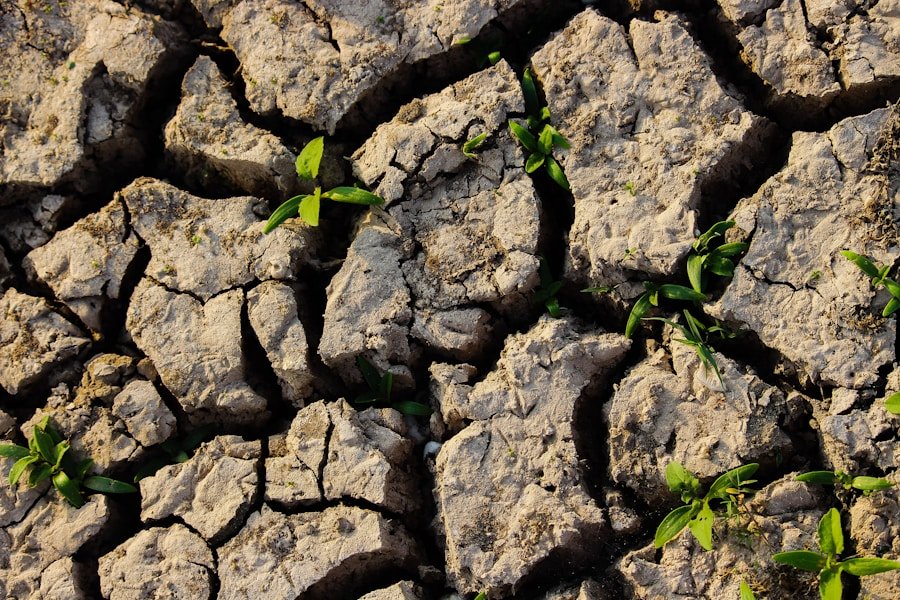
Underwatering, a common issue in plant care, can lead to significant plant stress and decline. This article outlines methods for identifying underwatering, rehydrating affected plants, and implementing preventative measures to maintain plant health.
Recognizing the Signs of Underwatering
Accurate diagnosis is the first step in addressing any plant problem. Underwatering manifests through a distinct set of visual and tactile cues. Observing these signs early can prevent irreversible damage.
Visual Indicators
Plants experiencing water deprivation often display visible changes in their foliage and overall structure.
- Wilting: This is a prominent symptom. Leaves, previously firm and turgid, become limp and droop, losing their structural integrity. Imagine a deflating balloon; a well-hydrated leaf is pressurized, while a dehydrated one collapses.
- Dry, Brittle Leaves: As dehydration progresses, leaves may become crispy, especially at the edges or tips. They might crack or crumble when touched. This is particularly noticeable in older, lower leaves as the plant prioritizes water for new growth.
- Yellowing or Browning: While also indicative of overwatering, under watered plants often exhibit yellowing that progresses to browning, starting from the leaf margins and moving inward. This is necrosis, the death of plant tissue due to lack of water.
- Stunted Growth: A plant struggling with insufficient water will allocate its limited resources to survival rather than growth. New leaves may be smaller than usual, or the plant may cease producing new growth altogether.
- Flower Bud Drop: Plants under stress, including water stress, may abort flower buds to conserve resources. This is a survival mechanism, sacrificing reproduction for immediate survival.
- Fading Color: The vibrant green of healthy foliage may appear dull or desaturated due to the reduced activity of chlorophyll, which requires water for optimal function.
Soil and Pot Indicators
The condition of the growing medium provides direct evidence of water availability.
- Dry Soil: The most direct indicator. Insert a finger into the soil up to the first knuckle (approximately 1-2 inches). If the soil feels dry and crumbly, the plant requires water. For larger pots, deeper probes may be necessary.
- Soil Pulling Away from Pot Edges: Extremely dry soil can shrink, creating a visible gap between the soil and the inner rim of the pot. This indicates severe dehydration and can make rehydration challenging.
- Light Pot Weight: A pot with dry soil weighs considerably less than a pot with adequately moist soil. Lift the pot to gauge its weight. This is a practical, quick assessment method.
Initial Rehydration Strategies
Once underwatering is identified, immediate action is necessary to prevent further decline. The goal is to gently and effectively reintroduce water to the plant’s root system.
Top Watering with Caution
When rehydrating, simply pouring water onto bone-dry soil may not be effective.
- Slow and Steady Application: Apply water gradually to the soil surface. Dry soil can become hydrophobic, repelling water rather than absorbing it. A slow pour allows the soil to absorb moisture progressively.
- Multiple Applications: If water drains quickly through the pot without appearing to be absorbed, allow some time (15-30 minutes) for the initial application to soak in, then repeat. This ensures thorough saturation.
- Monitor Drainage: Ensure water drains from the bottom of the pot. This indicates that the entire root ball has been moistened. Do not let the plant sit in standing water; this can lead to root rot even after a period of drought.
Bottom Watering Technique
This method is particularly effective for severely rehydrating plants with compacted or hydrophobic soil.
- Benefits: Bottom watering allows the plant to absorb water at its own pace through capillary action, ensuring a more even and thorough saturation of the root ball. It also minimizes splashing on foliage, which can be beneficial for certain plant types.
- Procedure: Place the potted plant in a tray or basin filled with 1-2 inches of water. Allow the plant to soak for 30 minutes to an hour, or until the topsoil feels moist. The water level should reach roughly a quarter to a third of the pot’s height. Remove the plant from the water and allow excess water to drain completely.
Humidity and Environmental Adjustments
While not a direct watering method, increasing ambient humidity can help reduce transpiration and relieve stress on a dehydrated plant.
- Pebble Trays: Place a tray filled with pebbles and water beneath the plant. As the water evaporates, it increases local humidity around the plant. Ensure the bottom of the pot does not sit directly in the water.
- Grouping Plants: Plants release moisture through transpiration. Grouping them together can create a microclimate with higher humidity.
- Humidifiers: For a more controlled increase in ambient humidity, a room humidifier can be employed, particularly in dry indoor environments.
Advanced Recovery Techniques
For plants that are significantly stressed or have not responded fully to initial rehydration, more intensive measures may be required.
Root Ball Revitalization
A compacted or severely dry root ball may need direct intervention.
- Soaking the Entire Root Ball: For plants exhibiting severe wilting and where the soil has shrunk significantly, carefully remove the plant from its pot. Place the entire root ball in a bucket or sink filled with room-temperature water for 30 minutes to an hour. This allows for complete rehydration of the soil medium and roots.
- Gentle Massaging: While soaking, gently massage the root ball to encourage water penetration into any dry pockets. Avoid aggressive handling that could damage fragile roots.
Pruning Damaged Foliage
Removing dead or dying leaves can redirect the plant’s energy towards recovery.
- Identify Irreversibly Damaged Parts: Brown, crispy, or completely yellowed leaves that do not regain turgor after watering are unlikely to recover.
- Sterilize Pruning Tools: Use clean, sharp shears or scissors sterilized with rubbing alcohol to prevent disease transmission.
- Make Clean Cuts: Remove damaged leaves at the base of the stem or petiole. For plants with large brown areas on leaves, you can trim the affected portions, leaving healthy tissue intact. This improves the plant’s aesthetic and allows it to focus energy on new growth.
Fertilization Considerations
Avoid immediate fertilization when a plant is severely stressed.
- Delay Fertilizing: Fertilizers contain salts that can further dehydrate stressed roots. Wait until the plant shows clear signs of recovery, such as new growth, before resuming a regular fertilization schedule.
- Diluted Solutions: When you do resume fertilizing, start with a diluted solution (half-strength or less) to avoid shocking the plant.
Long-Term Preventative Measures
Preventing future underwatering is key to maintaining consistent plant health. This involves understanding water requirements, proper potting, and consistent monitoring.
Understanding Plant-Specific Needs
Each plant species has unique water requirements based on its natural habitat.
- Research Specific Plants: Investigate the water preferences for each of your plants. Succulents and cacti, for example, thrive in infrequent watering and dry conditions, while ferns and tropical plants require consistent moisture.
- Observe Growth Habits: Plants that grow quickly or have large, thin leaves generally require more frequent watering than slow-growing plants or those with thick, succulent leaves.
Proper Potting and Soil Selection
The choice of pot and soil directly impacts moisture retention and drainage.
- Well-Draining Potting Mix: Use a high-quality potting mix formulated for the specific plant type. Most houseplants prefer a well-draining mix that provides aeration to the roots. Avoid dense, heavy garden soil in pots.
- Drainage Holes: Ensure all pots have adequate drainage holes. Without them, water can accumulate at the bottom, leading to root rot, even if the topsoil appears dry.
- Pot Material: Terracotta pots are porous and allow for greater evaporation, meaning plants in them may need more frequent watering. Plastic and glazed ceramic pots retain moisture longer. Consider the pot material in relation to your plant’s water needs.
- Pot Size: A too-large pot can hold excessive moisture, leading to root rot. A too-small pot can dry out too quickly. Choose a pot size appropriate for the plant’s current root ball.
Establishing a Watering Schedule
Consistency is crucial, but flexibility is also important.
- Finger Test: As discussed, the finger test remains a reliable method for assessing soil moisture. This is your primary guide, even if you have a schedule.
- Moisture Meters: For those who prefer a technological aid, moisture meters can provide a reading of soil wetness. Insert the probe into the soil to get a quantifiable result.
- Environmental Factors: Adjust your watering schedule based on seasonal changes, ambient temperature, humidity, and light levels. Plants generally require more water in warmer, brighter conditions and less in cooler, darker periods.
- Consistency, Not Rigidity: Aim for a regular watering routine rather than a rigid schedule. For example, checking plants every 3-5 days rather than adhering strictly to “water every Monday.”
Monitoring and Adjusting
Regular observation and proactive adjustments are cornerstones of successful plant care.
Visual Inspection Routines
Integrate quick visual checks into your daily or weekly routine.
- Daily Glimpse: A quick visual sweep of your plants can catch early signs of stress before they escalate. Look for wilting, discoloration, or any deviation from typical appearance.
- Weekly Deep Dive: Dedicate a specific time each week for a more thorough examination. Pick up pots to gauge weight, test soil moisture, and closely inspect leaves for any issues.
Adapting to Plant Growth and Seasons
A plant’s water needs are dynamic and change throughout its life cycle and environmental conditions.
- Growth Spurts: During periods of active growth (e.g., spring and summer), plants will typically require more frequent watering.
- Dormancy: Many plants enter a period of reduced activity or dormancy in winter, requiring significantly less water. Overwatering during dormancy is a common cause of plant death.
- Relocation: Moving a plant to a new location with different light levels, temperatures, or humidity will necessitate an adjustment to its watering routine. A plant moved to a sunnier window will dry out faster.
- Repotting: After repotting, a plant may initially require more frequent watering as its roots settle into the new medium, or it may temporarily use less water due to transplant shock. Observe and adjust accordingly.
Keeping a Plant Journal
For those serious about plant care, a journal can be a valuable tool.
- Record Keeping: Note down watering dates, significant changes in plant appearance, fertilization schedules, and any issues encountered.
- Pattern Recognition: Over time, this journal will help you identify patterns in your plants’ needs and your care routines, making it easier to anticipate and prevent problems like underwatering. It acts as a memory aid for your green companions.
By diligently applying these strategies, you can effectively address underwatering, restore your plants to health, and cultivate conditions that promote their long-term vitality. The goal is to become an attentive steward, translating plant signals into appropriate care, ensuring your plants thrive.
FAQs
1. What are the signs of underwatering in plants?
Some common signs of underwatering in plants include wilting, yellowing or browning of leaves, dry and brittle foliage, and slow growth.
2. How can I restore underwatered plants to their former glory?
To restore underwatered plants, thoroughly water the soil until it is evenly moist, prune any dead or damaged foliage, and consider misting the leaves to increase humidity. It’s important to monitor the plant’s progress and adjust watering as needed.
3. What are some tips for preventing underwatering in plants?
To prevent underwatering, it’s important to establish a consistent watering schedule, use well-draining soil, and consider using self-watering pots or moisture-retaining additives. Additionally, regularly checking the soil moisture and paying attention to the plant’s specific water needs can help prevent underwatering.
4. Can underwatering cause permanent damage to plants?
While underwatering can cause significant stress and damage to plants, it is often reversible if addressed promptly. However, prolonged or severe underwatering can lead to permanent damage, such as stunted growth or irreversible wilting.
5. Are there any specific plants that are more susceptible to underwatering?
Plants with thin or delicate foliage, such as ferns and certain tropical plants, are often more susceptible to underwatering. Additionally, plants that prefer consistently moist soil, such as peace lilies and calatheas, may show signs of stress more quickly when underwatered.