Understanding the Need for Humidity
Tropical indoor plants, in their native environments, thrive in conditions characterized by consistent warmth and elevated humidity levels. Replicating these conditions in a typical indoor setting, particularly during drier seasons or in climates with naturally low humidity, is crucial for their long-term health and vitality. Without adequate humidity, plants can exhibit signs of stress, including crispy leaf edges, stunted growth, and increased susceptibility to pests. The air in most homes, especially when heating or air conditioning systems are in operation, often falls significantly below the ideal humidity range for these species, which typically oscillates between 60% and 80%.
The Role of Transpiration in Plant Health
Transpiration is the process by which plants release water vapor into the atmosphere through microscopic pores on their leaves called stomata. This process is essential for nutrient uptake and cooling the plant. When ambient humidity is too low, the rate of transpiration increases dramatically as the plant attempts to maintain its internal water balance. This accelerated water loss can lead to dehydration, even if the soil is adequately moist, as the roots cannot absorb water quickly enough to compensate. Imagine a thirsty person trying to drink from a leaky cup; the water is there, but much is lost before it can be effectively utilized.
Identifying Signs of Low Humidity Stress
Observing your plants closely can provide early indicators of insufficient humidity. Common symptoms include:
- Crispy or browning leaf edges: Often the first and most noticeable sign, particularly on younger leaves.
- Wilting: While often associated with underwatering, wilting can also occur in low humidity, especially if the plant is transpiring rapidly.
- Stunted growth: Plants under stress will prioritize survival over vegetative growth.
- Bud drop: Flower buds may fail to develop or fall off prematurely.
- Yellowing leaves: Can indicate various issues, but in conjunction with other symptoms, it points to humidity stress.
- Increased pest susceptibility: Mites, in particular, thrive in dry conditions and are more likely to infest plants weakened by low humidity.
Understanding these indicators allows for timely intervention, preventing more significant damage to your tropical plant collection.
Grouping Plants for Mutual Benefit
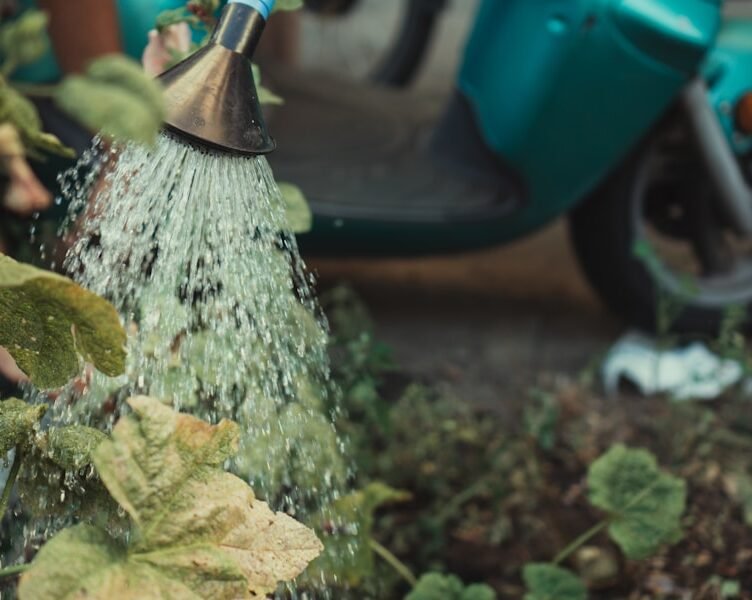
One effective and simple strategy to elevate localized humidity is to group tropical plants together. This technique harnesses the collective power of transpiration.
Creating Microclimates
When plants are placed in close proximity, the water vapor released by each plant’s leaves through transpiration accumulates in the immediate air space surrounding the group. This creates a small, localized zone of higher humidity, often referred to as a microclimate. It’s akin to having multiple small humidifiers working in concert. The effectiveness of this method increases with the density of the planting and the size of the leaves. Plants with larger leaf surfaces will, naturally, transpire more water.
Strategic Plant Placement
Consider placing plants with similar humidity requirements together. For instance, ferns, orchids, and prayer plants all benefit from high humidity and thus make excellent companions in a grouped arrangement. Ensure that there is still adequate air circulation within the group to prevent fungal issues. Overly dense packing can create stagnant air pockets, which are detrimental. Aim for a balance, allowing leaves to breathe without being directly exposed to dry drafts. Locations away from heating vents or open windows are ideal.
Utilizing Water Trays and Pebble Trays
Pebble trays are a well-established and accessible DIY solution for increasing ambient humidity around individual plants or small groupings.
The Mechanism of Evaporation
A pebble tray consists of a shallow tray filled with pebbles or decorative stones, with water added to just below the top surface of the pebbles. As the water in the tray evaporates, it releases moisture into the surrounding air. By placing a potted plant on top of the pebbles, ensuring the pot’s base does not sit directly in the water (which can lead to root rot), the plant benefits from this localized humidity. The pebbles prevent the plant’s roots from consistently being submerged. This method acts as a slow, continuous release humidifier for a very specific area.
Constructing an Effective Pebble Tray
To construct a pebble tray:
- Select a tray: Choose a tray that is wider than the plant’s pot and shallow enough to fit comfortably in your desired location. Plastic drip trays or even oven roasting pans can be repurposed.
- Add pebbles: Fill the tray with a layer of clean pebbles, gravel, or even horticultural charcoal. Ensure the pebbles are non-porous to prevent them from absorbing too much water.
- Add water: Pour water into the tray until it reaches just below the top surface of the pebbles. Regularly check water levels and refill as needed. The frequency will depend on ambient temperature, humidity, and the size of the tray.
- Position the plant: Place your potted plant directly on top of the pebbles, ensuring the bottom of the pot does not sit in standing water. This elevation is critical for root health.
Regular cleaning of pebble trays is important to prevent algae or bacterial growth, which can occur in stagnant water.
Employing Misting Techniques
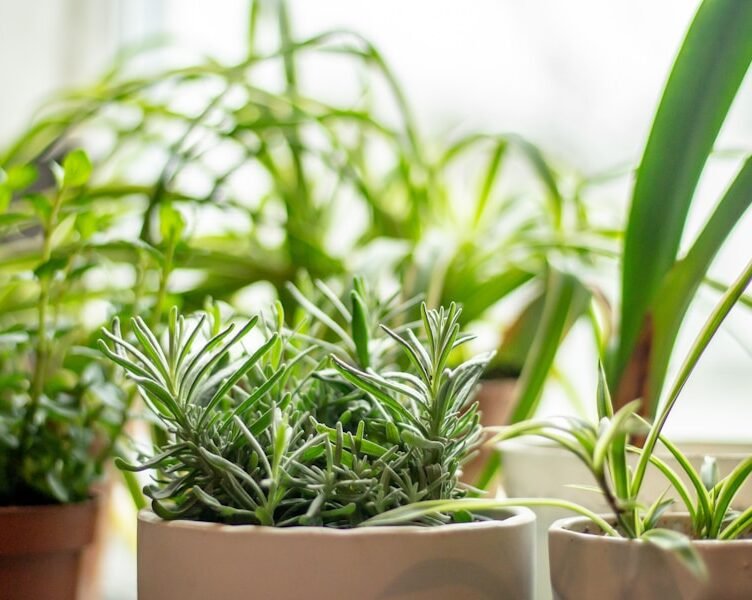
Misting is a popular and aesthetically pleasing method for temporarily boosting humidity around tropical plants. While its long-term impact on overall room humidity is limited, it offers immediate relief.
The Science of Brief Humidification
When you mist a plant, you are directly applying fine water droplets to its leaf surfaces. These droplets then evaporate, temporarily raising the humidity levels in the immediate vicinity of the plant. This process mimics the natural dewfall or light rain found in tropical environments. For plants that primarily absorb moisture through their leaves, such as some orchids and air plants, misting can be a significant supplementary source of hydration. However, for plants that primarily rely on root uptake, misting offers more of a temporary “refreshment” than a sustained humidity solution.
Best Practices for Misting
To maximize the benefits of misting while minimizing potential drawbacks:
- Use distilled or filtered water: Hard tap water can leave mineral deposits on leaves, which can impede photosynthesis and be unsightly.
- Misting frequency: Mist once or twice daily, preferably in the morning. Misting in the evening can lead to water lingering on leaves overnight, increasing the risk of fungal growth.
- Fine mist: Use a spray bottle with a fine mist setting. Large water droplets are less effective and more likely to encourage fungal issues.
- Adequate ventilation: Ensure good air circulation around misted plants to allow for evaporation and prevent stagnant moisture.
- Targeted approach: Focus misting on the foliage, avoiding direct spraying of delicate flowers or developing buds.
- Disease prevention: Avoid misting plants that are known to be particularly susceptible to fungal diseases (e.g., African violets, some begonias).
- Consider the plant type: Some plants, like fuzzy-leaved varieties, do not respond well to direct misting as water can get trapped in their trichomes, leading to rot.

It’s crucial to understand that misting is a supplementary measure, not a standalone solution for consistently low humidity. Think of it as a brief shower rather than a prolonged soak.
Creating Enclosed Environments
For plants with exceptionally high humidity requirements or for those struggling significantly in standard indoor conditions, creating a more enclosed, high-humidity environment can be highly effective.
The Terrarium as a Miniature Ecosystem
A terrarium is essentially a miniature greenhouse, a sealed or partially sealed container that creates a self-sustaining or semi-sustaining ecosystem. The enclosed space traps moisture released by the plants through transpiration, leading to very high internal humidity. This method is particularly suitable for small, humidity-loving plants such as ferns, mosses, and some miniature orchids. The sealed nature of many terrariums also reduces the need for frequent watering, as moisture is largely recycled within the system.
DIY Terrarium Construction
To create a functional terrarium:
- Choose a container: Glass jars, old aquariums, or clear plastic containers can serve as suitable vessels. Decide between an open terrarium (for plants needing more air circulation) and a closed terrarium (for high-humidity, self-sustaining environments).
- Drainage layer: Place a layer of pebbles or LECA (lightweight expanded clay aggregate) at the bottom for drainage. This prevents roots from sitting in stagnant water.
- Charcoal layer: Add a thin layer of activated charcoal over the drainage layer. This helps to filter the air and prevent odors.
- Substrate: Add a layer of appropriate potting mix for tropical plants. A mix high in organic matter and good drainage is typically ideal.
- Plant selection: Choose plants that are small, slow-growing, and thrive in high humidity. Ensure they are free of pests before introducing them.
- Arrangement: Plant your chosen specimens, arranging them aesthetically.
- Watering: Lightly water the terrarium. For closed terrariums, you’ll need to water infrequently, perhaps only a few times a year, as the water cycles internally. For open terrariums, water as needed based on the substrate’s moisture level.
- Maintenance: Monitor moisture levels, air circulation (for open terrariums), and plant health. Prune as needed to maintain size.
Cloches and Mini Greenhouses
Similar to terrariums, cloches and mini greenhouses offer localized humidity control. A cloche is a bell-shaped cover, often glass or clear plastic, placed directly over a single plant. A mini greenhouse, typically a small shelving unit with a clear plastic or glass cover, can house several plants. Both options reduce air exchange with the drier ambient room air, trapping moisture around the plants. These are excellent transitional solutions for plants recovering from stress or for delicate cuttings. Ensure regular monitoring for air circulation to prevent fungal issues, especially within completely sealed environments. Ventilating for an hour or two daily can be crucial.
Monitoring and Maintenance
Implementing DIY humidity hacks is only half the battle; consistent monitoring and appropriate maintenance are equally vital for the sustained health of your tropical plants.
Investing in a Hygrometer
A hygrometer is a relatively inexpensive device that measures the humidity levels in the air. This tool is indispensable for accurately assessing the effectiveness of your DIY hacks. Without it, you are merely guessing. Place the hygrometer near your plants to get a reading of the localized humidity. Aim for readings between 60% and 80% for most tropical species. If your readings are consistently below this range, you may need to implement additional strategies or intensify existing ones. Understanding your baseline humidity levels is the foundation for effective intervention.
Regular Cleaning and Inspection
Healthy environmental conditions also mean cleanliness. Dust accumulates on plant leaves, impeding photosynthesis and potentially harboring pests. Regularly wipe down plant foliage with a damp cloth. This also allows for close inspection for early signs of pests like spider mites, which thrive in dry conditions. Clean pebble trays regularly to prevent algae and bacterial growth. Stagnant, dirty water can become a source of unpleasant odors and potential health risks for both plants and inhabitants.
Adapting to Seasonal Changes
The humidity levels in your home will likely fluctuate throughout the year. Heating systems in winter significantly dry out indoor air, while air conditioning in summer can have a similar effect. Your DIY humidity strategies should adapt to these seasonal variations. You may need to increase misting, refill pebble trays more frequently, or even employ a dedicated humidifier during the driest months. Conversely, in naturally more humid seasons, you might reduce certain measures to prevent over-humidification, which can lead to fungal problems. Viewing your indoor environment as a dynamic system, rather than a static one, helps you to be a more responsive and effective plant caretaker.
FAQs
What are some DIY hacks for increasing humidity for tropical indoor plants?
Some DIY hacks for increasing humidity for tropical indoor plants include placing a tray of water near the plants, using a humidifier, misting the plants with water, and grouping plants together to create a microclimate.
How can I create a humid environment for my tropical indoor plants without a humidifier?
You can create a humid environment for your tropical indoor plants without a humidifier by placing a tray of water near the plants, misting the plants with water, grouping plants together to create a microclimate, and using a pebble tray filled with water.
What are some common tropical indoor plants that thrive in high humidity?
Some common tropical indoor plants that thrive in high humidity include peace lilies, ferns, orchids, calatheas, and spider plants.
How often should I mist my tropical indoor plants to increase humidity?
You should mist your tropical indoor plants to increase humidity about once a day, or as needed depending on the specific needs of the plants and the humidity levels in your home.
What are some signs that my tropical indoor plants need more humidity?
Some signs that your tropical indoor plants need more humidity include browning leaf tips, wilting leaves, dry soil, and an overall droopy appearance.