


Introduction
Maintaining the health of flowering houseplants requires an understanding of their specific needs. This article provides guidance for the cultivation of Cyclamen, Orchids, Anthurium, and Kalanchoe, four popular ornamental plants. Each species has unique requirements regarding light, water, temperature, and feeding. Adherence to these guidelines can promote vigorous growth and sustained blooming.
General Principles of Houseplant Care
Before delving into the specifics for each plant, a review of general houseplant care principles is beneficial. These foundational practices form the basis for successful cultivation across diverse species.
Environmental Considerations
The environment within a typical home often differs significantly from a plant’s native habitat. Understanding these discrepancies is crucial for successful adaptation.
Light Requirements
Light is the engine of photosynthesis, the process by which plants convert light energy into chemical energy. The intensity and duration of light directly impact plant health. Insufficient light can lead to etiolation – a stretched, pale appearance – while excessive light can cause leaf scorch. Most flowering houseplants thrive in bright, indirect light. Direct sunlight, especially during the hottest parts of the day, can be detrimental to many species, acting like a magnifying glass on delicate foliage. Consider your home’s orientation and window placement when positioning plants. South-facing windows often provide the most intense light, while north-facing windows offer cooler, gentler illumination. East and west-facing windows provide moderate light, with east-facing receiving morning sun and west-facing receiving afternoon sun.
Temperature and Humidity
Temperature and humidity are intertwined variables impacting plant physiological processes. Most houseplants prefer a consistent temperature range between 18°C and 24°C (65°F and 75°F). Avoid sudden temperature fluctuations, which can stress plants. Drafts from open windows, air conditioning units, or heating vents can be particularly damaging. Humidity, the amount of moisture in the air, is also critical. Many flowering houseplants originate from tropical or subtropical regions and prefer higher humidity levels than typically found in indoor environments. Low humidity can lead to crisp leaf margins, bud drop, and increased susceptibility to pests. Strategies to increase humidity include using pebble trays filled with water, grouping plants together to create a microclimate, or employing a room humidifier. Regular misting can provide a temporary boost in humidity, but its long-term effectiveness is debated.
Air Circulation
Good air circulation is essential for plant health, preventing the stagnation of moist air around foliage, which can encourage fungal diseases. However, avoid strong drafts. A gentle, consistent airflow helps to regulate temperature and humidity around the plant while deterring certain pests.
Watering and Fertilization
Water and nutrients are the lifeblood of plants. Proper management of these inputs is critical for robust growth and flowering.
Watering Techniques
Overwatering is a common cause of houseplant demise, leading to root rot due to oxygen deprivation. Underwatering, though less common in comparison, also causes stress and wilting. The key is to water thoroughly when the plant needs it, and to allow excess water to drain away. The “finger test” is a reliable method: insert your finger an inch or two into the soil. If it feels dry, it’s likely time to water. The frequency of watering depends on environmental factors, pot size, and the plant’s specific needs. Consider using pots with drainage holes to prevent waterlogging. When watering, apply water until it begins to drain from the bottom, ensuring the entire root ball is moistened. Discard any standing water in the saucer after 15-30 minutes to prevent the plant from sitting in water.
Fertilization Schedules
Fertilizers provide essential nutrients that may be depleted from the potting medium over time. During active growth and flowering, plants require more nutrients. A balanced liquid fertilizer diluted to half strength is often recommended. Reduce or suspend fertilization during dormant periods. Over-fertilization can lead to nutrient burn, evidenced by crispy leaf edges and stunted growth. It is better to under-fertilize slightly than to over-fertilize significantly. Always follow the manufacturer’s instructions for fertilizer application.
Potting Medium and Repotting
The substrate in which a plant grows is its foundation. A suitable potting mix provides anchorage, moisture retention, and aeration.
Soil Composition
Most houseplants thrive in a well-draining, aerated potting mix. General-purpose houseplant mixes often suffice, but some species benefit from specialized blends. For example, orchids require an exceptionally open, bark-based mix, while aroids like Anthurium prefer a rich, well-draining but moisture-retentive mix. The ideal potting medium acts as a buffer, preventing both extreme dryness and waterlogging.
Repotting Practices
Repotting is necessary when a plant becomes root-bound – when roots fill the pot entirely, circling around themselves – or when the potting medium degrades. Signs of root-bound plants include water running straight through the pot without being absorbed, stunted growth, or roots emerging from drainage holes. Repot into a container only 1-2 inches larger in diameter. Spring is generally the best time for repotting as plants are entering their active growth phase. Gently remove the plant from its old pot, loosen any circling roots, and place it in the new pot with fresh potting mix.
Cyclamen: The Winter Blossom
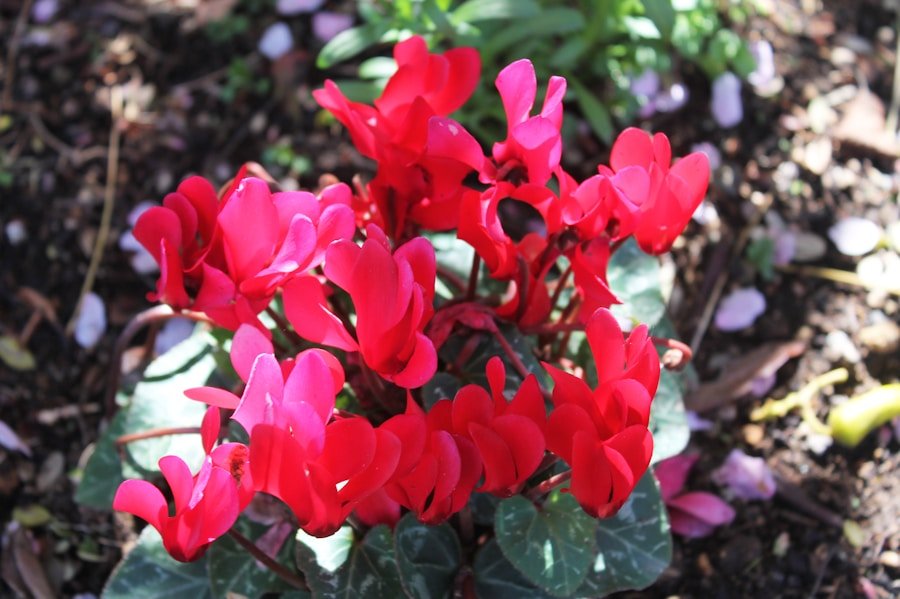
Cyclamen (Cyclamen persicum) are renowned for their delicate, upward-facing flowers and marbled foliage. They are a cool-season bloomer, providing color when many other plants are dormant.
Light and Temperature for Cyclamen
Cyclamen prefer bright, indirect light; direct sun can scorch their leaves. They thrive in cooler temperatures, ideally between 10°C and 18°C (50°F and 65°F). Higher temperatures can cause them to become dormant prematurely or to decline rapidly. A cool room or a brightly lit, unheated entryway can be an ideal location.
Watering and Feeding Cyclamen
Water cyclamen from the base by placing the pot in a saucer of water for 20-30 minutes, allowing the plant to absorb moisture through the drainage holes. Remove any excess water from the saucer to prevent the tuber from rotting. Alternatively, water from the top, being careful not to wet the crown of the plant. Allow the top inch of soil to dry out slightly between waterings. Fertilize sparingly with a balanced liquid fertilizer every 2-4 weeks during the blooming period, diluting to half strength.
Cyclamen Dormancy
After blooming, cyclamen typically enter a dormant period. Leaves may yellow and die back. At this point, reduce watering significantly and cease fertilization. Store the tuber in a cool, dark place until new growth emerges, usually in late summer or early autumn. Repot with fresh potting mix before new growth begins.
Orchids: Epiphytic Elegance
Orchids, particularly Phalaenopsis (Moth Orchids), are among the most popular flowering houseplants. Their ethereal blooms belie a robust nature, provided their specific needs are met.
Orchid Light and Temperature Preferences
Orchids generally prefer bright, indirect light. An east-facing window is often ideal, or a shaded south or west-facing window. Insufficient light is a common reason for a lack of blooms. Temperatures between 18°C and 27°C (65°F and 80°F) during the day, with a slight drop at night, are conducive to flowering. They also appreciate higher humidity, ideally 50-70%.
Orchid Watering and Potting Media
The most common mistake with orchids is overwatering. Most orchids are epiphytes, meaning they naturally grow on other plants, not in soil. Their roots prefer to dry out between waterings. Water thoroughly when the potting medium approaches dryness. For bark-based mixes, this might be every 7-10 days, but adjust based on environmental factors. Ensure excellent drainage. Orchid potting mixes typically consist of bark, sphagnum moss, charcoal, and perlite, providing the necessary aeration and drainage. Fertilize with a specialized orchid fertilizer, often at quarter strength, with every other watering during active growth.
Encouraging Orchid Re-blooming
To encourage re-blooming, after the flowers fade, cut the flower stalk just above a node (a small bump on the stem). Providing a consistent temperature drop at night (around 10°C or 50°F lower than daytime) for a few weeks in the autumn can also stimulate new flower spike formation. Patience is key with orchids; they operate on their own timeline.
Anthurium: The Flamingo Flower
Anthurium (Anthurium andraeanum), also known as the Flamingo Flower, is prized for its glossy, heart-shaped spathes (modified leaves that appear as flowers) and prominent spadix.
Anthurium Light and Humidity
Anthurium thrive in bright, indirect light. Direct sunlight can scorch their characteristic spathes. They are native to tropical rainforests, thus require high humidity, ideally 60-80%. Use a pebble tray or a humidifier to maintain adequate moisture levels. Temperatures between 21°C and 32°C (70°F and 90°F) are ideal, though they can tolerate slightly cooler conditions.
Anthurium Watering and Soil
Keep the soil consistently moist but not waterlogged. Allow the top inch of soil to dry out between waterings. Overwatering can lead to root rot and yellowing leaves. A well-draining, airy potting mix is crucial. A good mix might include two parts peat moss, one part perlite, and one part pine bark. Fertilize every 6-8 weeks during the growing season with a balanced liquid fertilizer diluted to half strength.
Anthurium Pest and Disease Management
Anthurium can be susceptible to common houseplant pests like aphids, mealybugs, and spider mites. Inspect your plants regularly. Prompt treatment with insecticidal soap or neem oil can mitigate infestations. Good air circulation also helps prevent fungal issues. Yellowing leaves can indicate overwatering or nutrient deficiency, while browning leaf tips often point to low humidity or excessive fertilizer.
Kalanchoe: Resilient and Colorful

Kalanchoe (Kalanchoe blossfeldiana) are succulent plants known for their vibrant, long-lasting flowers and ease of care, making them an excellent choice for beginners.
Kalanchoe Light and Temperature Requirements
Kalanchoe require bright, direct sunlight for several hours a day to promote robust flowering. A south or west-facing window is often suitable. They prefer average room temperatures, between 18°C and 24°C (65°F and 75°F). Avoid temperatures below 10°C (50°F), which can damage the plant.
Kalanchoe Watering and Soil
As succulents, Kalanchoe store water in their thick leaves and stems. They are highly susceptible to root rot from overwatering. Allow the soil to dry out completely between waterings. Reduce watering frequency significantly during cooler months. A well-draining potting mix formulated for succulents or cacti is ideal. Fertilize sparingly, once a month during the growing season, with a balanced liquid fertilizer diluted to half strength. Too much fertilizer can negatively impact flowering.
Promoting Kalanchoe Bloom
Kalanchoe are short-day plants, meaning they require extended periods of darkness to initiate flowering. To encourage re-blooming, provide 12-14 hours of uninterrupted darkness each day for 6-8 weeks in late autumn or early winter. You can achieve this by placing the plant in a dark closet or covering it with a box. This simulated short-day cycle is critical for flower bud formation. Once buds appear, return the plant to its bright location.
Conclusion
The successful cultivation of Cyclamen, Orchids, Anthurium, and Kalanchoe hinges on understanding their distinct environmental and cultural needs. While they each present unique challenges, applying the general principles of houseplant care alongside species-specific guidance empowers you to maintain healthy, thriving plants. Observe your plants actively; they communicate their needs through their growth, foliage, and blooms. A keen eye and responsive action are your best tools in gardening.


FAQs
1. What are some general tips for keeping cyclamen, orchids, anthurium, and kalanchoe plants healthy?
To keep these plants healthy, it’s important to provide the right amount of light, water, and humidity. Additionally, regular fertilization and proper potting are essential for their well-being.
2. How often should I water cyclamen, orchids, anthurium, and kalanchoe plants?
Cyclamen prefer to be watered when the soil feels dry to the touch, while orchids should be watered when their potting medium is almost dry. Anthurium and kalanchoe plants should be watered when the top inch of soil feels dry.
3. What type of light do cyclamen, orchids, anthurium, and kalanchoe plants require?
Cyclamen prefer bright, indirect light, while orchids thrive in bright, filtered light. Anthurium and kalanchoe plants also do well in bright, indirect light.
4. How can I maintain the humidity levels for cyclamen, orchids, anthurium, and kalanchoe plants?
To maintain the humidity levels for these plants, you can use a humidifier, place a tray of water and pebbles near the plants, or mist the plants regularly.
5. What are some common pests and diseases that affect cyclamen, orchids, anthurium, and kalanchoe plants?
Common pests that affect these plants include aphids, mealybugs, and spider mites. Diseases such as root rot and powdery mildew can also affect their health. Regular inspection and proper care can help prevent and manage these issues.