
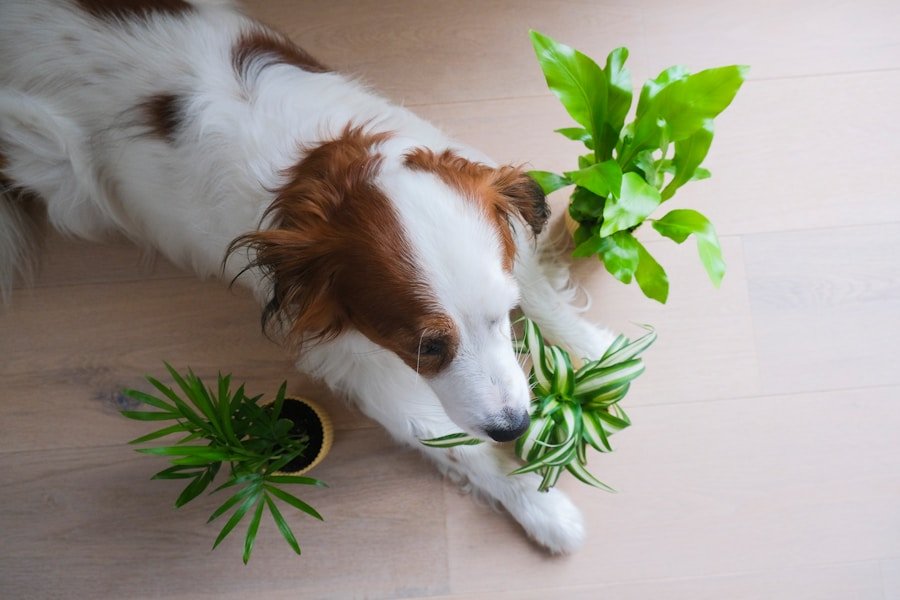
This article provides information on selecting houseplants that are safe for households with pets. It aims to equip readers with knowledge to create a biodiverse and visually appealing indoor environment while mitigating risks associated with pet ingestion of toxic plant material.
Understanding Pet Toxicity in Houseplants
Many common houseplants, while aesthetically pleasing and beneficial for indoor air quality, contain compounds that can be harmful, even fatal, to pets. These toxins vary widely in their chemical composition and the physiological effects they induce. Understanding these risks is the first step in responsible pet ownership and plant selection.
Mechanisms of Plant Toxicity in Animals
Pet ingestion of plant matter, whether accidental or deliberate, can trigger a range of toxic responses. These mechanisms can be broadly categorized:
Irritant Toxins
Some plant compounds act as irritants upon contact with the mouth, throat, or gastrointestinal tract. These can cause local inflammation, leading to symptoms such as excessive drooling, vomiting, or difficulty swallowing. Examples include crystalline calcium oxalates found in plants like Dieffenbachia (Dumb Cane) and Philodendron. The microscopic needle-like crystals can embed themselves in mucous membranes, causing immediate pain and swelling.
Systemic Toxins
Other plant toxins are absorbed into the bloodstream and can affect various organ systems. These pose a more significant threat, potentially leading to:
Cardiovascular Effects
Certain plants contain cardiac glycosides that interfere with heart function. Oleander, for instance, is well-known for its potent cardiotoxic effects, which can manifest as irregular heartbeat, weakness, and even cardiac arrest.
Neurological Effects
Neurotoxins can impact the central or peripheral nervous system, leading to symptoms such as tremors, seizures, incoordination, or disorientation. Castor bean plants, with their ricin content, are a prime example of a plant with severe neurotoxic potential.
Gastrointestinal Upset
While some gastrointestinal upset is due to irritant toxins, others are caused by compounds that disrupt digestive processes. This can result in nausea, vomiting, diarrhea, and abdominal pain. Many common houseplants, even those not severely toxic, can cause mild to moderate digestive distress.
Renal and Hepatic Damage
Specific plant compounds can target the kidneys or liver, organs responsible for filtering waste products from the body. Long-term or acute exposure could lead to organ damage. For example, certain lilies (genus Lilium and Hemerocallis) are notoriously toxic to cats, causing acute kidney failure.
Signs and Symptoms of Plant Poisoning in Pets
Recognizing the signs of plant poisoning is crucial for prompt veterinary intervention. Symptoms can vary depending on the plant and the amount ingested.
Common Indicators of Ingestion
- Oral Irritation: Drooling, pawing at the mouth, swollen tongue or lips.
- Gastrointestinal Distress: Vomiting, diarrhea, loss of appetite, abdominal pain.
- Neurological Signs: Lethargy, weakness, tremors, seizures, incoordination, dilated pupils.
- Cardiovascular Symptoms: Changes in heart rate (slow or fast), abnormal rhythms, collapse.
Differentiating from Other Illnesses
It is important to note that these symptoms can overlap with other common pet ailments. Observing your pet’s behavior and environment for evidence of recent plant contact is vital for accurate diagnosis. If you suspect your pet has ingested a toxic plant, contact your veterinarian or an animal poison control center immediately.
Criteria for Pet-Safe Houseplants
When seeking to enhance your home’s interior with botanical elements, prioritizing the safety of your animal companions is paramount. The selection of “pet-safe” houseplants is not a monolithic category but rather a spectrum based on the plant’s inherent toxicity profile. The absence of known harmful compounds is the primary indicator.
Non-Toxic Botanical Species
The most reliable approach to creating an indoor jungle that coexists harmoniously with pets is to select species that are documented as non-toxic by reputable veterinary and horticultural organizations. These plants have undergone extensive review and are generally recognized as posing little to no significant health risk if ingested in reasonable quantities.
Scientific Classification and Toxicity Databases
The scientific classification of plants (taxonomy) provides a structured framework for understanding plant families and their members. Often, plants within the same genus or family share similar chemical compounds and, consequently, similar toxicity profiles. Resources like the ASPCA Animal Poison Control Center’s toxic and non-toxic plant lists are invaluable tools. These databases are compiled through years of research, veterinary case studies, and scientific literature.
Low Risk of Ingestion
Beyond inherent toxicity, the physical characteristics of a plant can influence the likelihood and severity of ingestion by pets. While no plant is entirely “pet-proof” in the sense of being completely inaccessible, some present a lower risk due to their growth habit or texture.
Growth Habit and Accessibility
Plants that grow upright with stiff, unappealing foliage may be less enticing for chewing than those with soft, pliable leaves or dangling vines. Similarly, plants with sharp thorns or spines, while not inherently toxic, can deter inquisitive mouths through physical discomfort, acting as a natural deterrent. However, it is crucial to remember that even these plants can be a hazard if a pet attempts to ingest them with force or if they are particularly determined.
Texture and Palatability
The texture and taste of a plant can also play a role. Plants with bitter or acrid sap might be quickly spat out, reducing the amount ingested. Conversely, plants with a sweet or fleshy texture might be more appealing. However, palatability does not equate to safety; some highly palatable plants can be extremely toxic.
Recommended Pet-Friendly Indoor Plants
This section details specific plant species that are widely recognized for their safety in households with pets. These plants serve as excellent choices for individuals looking to incorporate greenery without compromising their animal companions’ well-being. Each plant possesses unique aesthetic qualities and care requirements, allowing for diverse interior design applications.
Ferns: A Lush and Safe Choice
Ferns, with their delicate fronds and classic appeal, offer a verdant touch to any indoor space. A significant advantage of many fern species is their non-toxic nature.
Boston Fern (Nephrolepis exaltata)
The Boston Fern is a popular choice for its lush, cascading foliage. It is a hardy plant that tolerates a range of indoor conditions, though it thrives in moderate humidity and indirect light. Its feathery fronds can add a soft texture to hanging baskets or shelves.
- Care Requirements: Prefers consistently moist, but not waterlogged, soil. It benefits from regular misting and placement away from direct sunlight and drafts.
- Aesthetic Appeal: Its dense, arching leaves create a full, tropical look.
Spider Plant (Chlorophytum comosum)
The Spider Plant is renowned for its air-purifying qualities and its ease of care. It produces long, arching leaves and sends out “pups” or plantlets on long stems, which can be easily propagated. Notably, the ASPCA lists the Spider Plant as non-toxic to dogs and cats.
- Care Requirements: Adaptable to various light conditions, though it prefers bright, indirect light. It tolerates infrequent watering but thrives with consistent moisture.
- Aesthetic Appeal: Its variegated foliage and trailing plantlets offer a dynamic visual element, making it suitable for hanging or display on tabletops.
Calatheas: Vibrant Foliage, Safe Companions
Calatheas, often referred to as “prayer plants” due to the movement of their leaves throughout the day, are prized for their stunning, patterned foliage. Fortunately for pet owners, most Calathea species are considered non-toxic.
Rattlesnake Plant (Calathea lancifolia)
The Rattlesnake Plant is characterized by its elongated, wavy leaves adorned with dark green, feather-like markings on a lighter green background. Its striking patterns make it a focal point in any plant collection.
- Care Requirements: Requires bright, indirect light and consistently moist, well-draining soil. High humidity is beneficial.
- Aesthetic Appeal: The bold, graphic patterns on its leaves are visually captivating.
Peacock Plant (Calathea makoyana)
The Peacock Plant features delicate, ovate leaves with an intricate pattern of dark green spots and lines against a pale green background, resembling the eye of a peacock feather.
- Care Requirements: Similar to the Rattlesnake Plant, it prefers indirect light, consistent moisture, and high humidity.
- Aesthetic Appeal: Its intricate leaf detailing provides a touch of understated elegance.
Herbs: Culinary Delights and Safe Scents
Incorporating edible herbs into your indoor garden can provide both culinary benefits and a pleasant aroma, all while maintaining a safe environment for your pets. Many common culinary herbs are pet-friendly.
Peppermint (Mentha piperita)
Peppermint is a vigorous herb known for its refreshing scent and flavor. While safe for pets, it’s worth noting that some pets might be attracted to its scent, and excessive ingestion could potentially cause mild digestive upset due to its strong oils. However, it is not considered toxic.
- Care Requirements: Prefers bright light and consistently moist soil. It can spread aggressively, so planting in a container is often recommended.
- Aesthetic Appeal: Its bright green leaves and pleasant aroma offer a sensory experience.
Rosemary (Salvia rosmarinus)
Rosemary is an aromatic herb with needle-like leaves. It is a hardy plant that tolerates drier conditions once established. Its strong aroma can also act as a natural deterrent for some pests.
- Care Requirements: Requires plenty of bright light and well-draining soil. It is drought-tolerant once established.
- Aesthetic Appeal: Its woody stems and fragrant foliage add a rustic charm.
Succulents and Cacti: Prickly Personalities, Safe Presence
While some succulents and cacti can pose a risk due to their spines, many are entirely non-toxic and can be a safe and stylish addition to a pet-friendly home. The key is to research specific species.
Echeveria (Echeveria spp.)
Echeverias are a diverse group of succulents known for their rosette-like forms and fleshy leaves. Many varieties, such as Echeveria elegans (Mexican Snowball), are non-toxic. Their symmetrical shapes and range of colors make them visually appealing.
- Care Requirements: Require bright, direct sunlight and well-draining soil. They are drought-tolerant and should be watered sparingly.
- Aesthetic Appeal: Their architectural forms and varied colors provide a modern, sculptural element.
Haworthia (Haworthia spp.)
Haworthias are small, slow-growing succulents that often have striking patterns on their leaves, such as raised white tubercles. They are generally undemanding and are considered non-toxic.
- Care Requirements: Prefer bright, indirect light and well-draining soil. They are more tolerant of lower light conditions than many other succulents.
- Aesthetic Appeal: Their intricate textures and compact size make them ideal for small spaces.
Air Plants (Tillandsia spp.): Intriguing and Inoffensive
Air plants, belonging to the Tillandsia genus, are unique in that they do not require soil for growth. They absorb moisture and nutrients from the air through their leaves. This characteristic, combined with their generally non-toxic nature, makes them an appealing choice.
Care Considerations for Air Plants
- Minimal Maintenance: Primarily require regular misting or soaking and bright, indirect light.
- Placement: Their soil-less nature allows for creative display in terrariums, on shelves, or mounted on various surfaces, keeping them out of a pet’s direct chewing range if placed thoughtfully.
- Aesthetic Appeal: Their unusual forms and ability to thrive without soil offer a modernist and intriguing visual element.
Creating a Pet-Safe Indoor Garden Layout
Designing an indoor garden with pets in mind extends beyond simply selecting the right plants. Strategic placement and thoughtful arrangement are crucial to minimize potential risks and maximize the enjoyment of your green space. Consider your pet’s habits and the layout of your home.
Placement Strategies for Heightened Safety
The physical location of plants within your home can significantly influence how accessible they are to your pets. Utilizing vertical space and designated areas can create natural barriers.
Elevated Displays and Hanging Baskets
Placing plants on high shelves, ledges, or in hanging baskets can keep them out of reach of most curious cats and dogs. This approach not only enhances safety but also adds visual interest at different levels within a room. Ensure that hanging mechanisms are secure to prevent accidental dislodging.
Designated Plant Zones
Creating specific “plant zones” in areas of your home that are less frequented by your pets or are naturally separated can provide an additional layer of security. For instance, a sunroom or a dedicated corner of a less-used room might be suitable for a collection of plants.
Protecting Plants from Accidental Ingestion
Even with careful selection and placement, some pets may still exhibit interest in houseplants. Implementing protective measures can further safeguard both your plants and your pets.
Barriers and Protective Enclosures
For particularly inquisitive pets or species that might be mildly irritating if ingested, consider using physical barriers. This could include decorative cages or screens around planters. Terrariums, while a type of enclosure, can also serve this purpose, providing a controlled environment for specific plants.
discouraging Chewing Behaviors
If chewing is a persistent issue, consult with animal behaviorists for strategies to redirect this behavior. Providing appropriate chew toys and enrichment activities for your pet can help satisfy their natural instincts through safe outlets. Positive reinforcement training can also be instrumental in teaching your pet boundaries regarding houseplants.
Ongoing Monitoring and Environmental Considerations
The responsibility of maintaining a pet-safe indoor environment is not a one-time task but an ongoing process that involves regular observation and adaptation. Your pets’ behavior and their interactions with their environment can change, necessitating adjustments to your plant care and arrangement strategies.
Regular Plant Inspections
Periodically inspecting your indoor plants for signs of distress, damage, or chewed foliage is a proactive measure. This allows you to identify potential issues before they escalate.
Checking for Damage
Look for torn leaves, bite marks, or unusual wear on your plants. If you find evidence of chewing, consider the accessibility of that particular plant and whether it needs to be moved or further protected.
Monitoring Soil and Potting Materials
While the plants themselves are the primary concern, it is also prudent to ensure that pets are not ingesting potting soil or decorative mulch. Some pets may be attracted to the texture or scent of soil, and ingesting large quantities can lead to gastrointestinal blockage.
Understanding Your Pet’s Behavior
Each pet has a unique personality and set of habits. Understanding your specific pet’s tendencies and motivations is key to anticipating and mitigating risks.
Individual Pet Tendencies
Some pets are naturally more prone to chewing or exploring their environment with their mouths than others. Observe your pet’s behavior to identify any specific interests or curiosities they exhibit towards your plants. This awareness will inform your placement and protection strategies.
Environmental Enrichment
Ensuring your pet has adequate mental and physical stimulation through play, exercise, and engaging toys can reduce boredom-induced behaviors, such as chewing on inappropriate items like houseplants. A content and stimulated pet is less likely to engage in destructive or risky behaviors.
Emergency Preparedness
Despite the best precautions, accidents can occur. Having a plan in place for potential plant ingestion emergencies can make a critical difference.
Veterinary Contact Information
Keep your veterinarian’s phone number readily accessible. In cases of suspected plant poisoning, immediate professional advice is crucial.
Poison Control Resources
Familiarize yourself with national animal poison control hotlines. These resources can provide immediate guidance and support in emergency situations. For instance, the ASPCA Animal Poison Control Center is a well-established resource that can offer expert advice.

By taking a comprehensive approach that combines knowledgeable plant selection, strategic placement, and ongoing vigilance, you can cultivate a thriving indoor garden that brings beauty and life into your home while ensuring the safety and well-being of your beloved pets.
FAQs
What are the best pet-friendly indoor plants for my home?
Some of the best pet-friendly indoor plants include spider plants, Boston ferns, African violets, and bamboo palms. These plants are non-toxic to pets and safe to have in your home.
How can I ensure that indoor plants are safe for my pets?
To ensure that indoor plants are safe for your pets, it’s important to research and choose plants that are non-toxic to animals. You can also place plants out of reach of pets or use deterrents to prevent them from nibbling on the leaves.
What are the benefits of having pet-friendly indoor plants in my home?
Pet-friendly indoor plants can help improve air quality, reduce stress, and create a calming environment for both you and your pets. They also add a touch of natural beauty to your home decor.
Are there any indoor plants that are toxic to pets and should be avoided?
Yes, there are several indoor plants that are toxic to pets and should be avoided, such as lilies, aloe vera, and jade plants. These plants can cause harm to pets if ingested.
How can I incorporate pet-friendly indoor plants into my home decor?
You can incorporate pet-friendly indoor plants into your home decor by placing them in decorative pots or planters, hanging them in macrame plant hangers, or creating a designated plant shelf or display area. Just be sure to keep them out of reach of curious pets.