
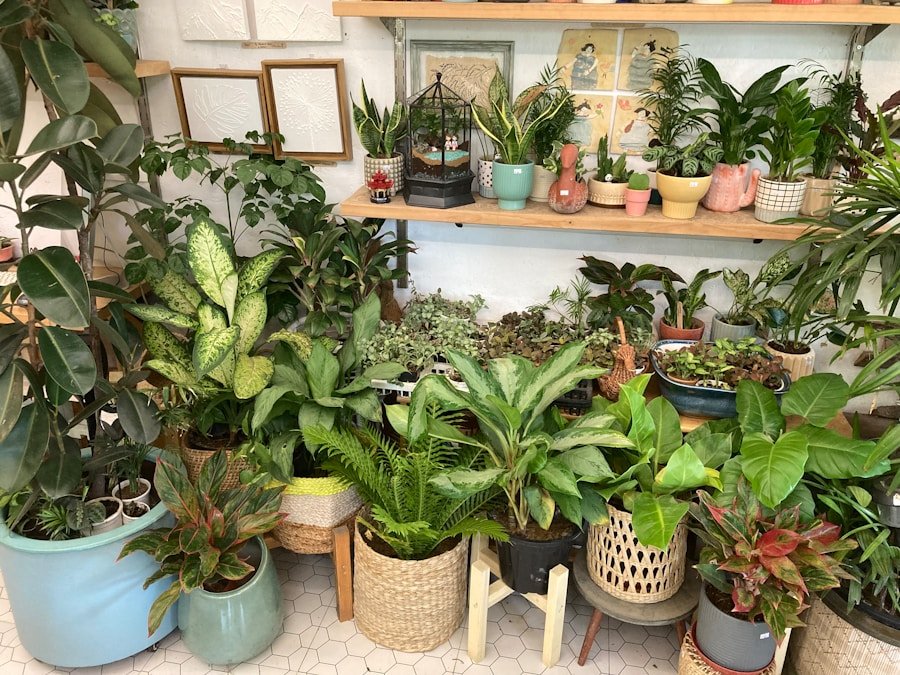
This article discusses strategies for incorporating indoor plant displays into small living spaces. It focuses on practical methods and design principles to maximize visual appeal and functionality.
Understanding the Constraints: The Canvas of Compact Living
When dealing with limited square footage, the approach to decorating with plants shifts from simply placing them to integrating them thoughtfully. Small spaces present unique challenges but also offer opportunities for focused, impactful decoration. The goal is to make each plant contribute to the overall aesthetic without overwhelming the area.
Assessing the Available Space: Identifying Opportunities
Before acquiring any plants or decorative elements, a thorough assessment of the available space is crucial. This involves understanding the dimensions, architectural features, and existing furniture.
Measuring and Mapping: A Blueprint for Greenery
Accurate measurements of walls, shelves, windowsills, and floor areas are the foundation for any successful plant display. Creating a simple floor plan or sketch can help visualize potential plant placements. Consider:
- Wall Space: Verticality is a prime resource in small homes. Identify blank wall sections that can accommodate shelves, wall-mounted planters, or hanging systems.
- Window Areas: Windows offer natural light, a vital resource for plant health. Assess the width and depth of windowsills, as well as the potential for hanging plants near windows.
- Floor Space: While seemingly limited, strategic placement of larger plants or tiered stands can define areas and add visual depth without obstructing movement.
- Nooks and Crannies: Unconventional spaces like the area above cabinetry, the corner of a desk, or even empty risers on a staircase can become homes for small plants.
Light Analysis: The Sun’s Role in Your Design
Light is not just an environmental factor for plant survival; it’s a design element. Different levels of light will dictate which plants can thrive in specific locations and how they can be used compositionally.
- Bright Indirect Light: Often found near east-facing or north-facing windows, this provides a good balance for many popular houseplants. Consider placing plants on windowsills or nearby surfaces.
- Low Light: Areas further from windows or in rooms with limited natural light require plants adapted to these conditions. These can be placed on shelves or in corners where direct light is absent.
- Direct Sunlight: South-facing windows can offer intense light, suitable for succulents and other sun-loving species. Be mindful of potential scorching of leaves in peak hours.
Defining Your Aesthetic: Cohesion in Compactness
In a small space, a cohesive design scheme is even more important. Without a unifying vision, the space can appear cluttered and disjointed.
Theme and Color Palette: Guiding Your Choices
Establishing a theme or color palette acts as a filter for plant and planter selection. This ensures that individual elements contribute to a harmonious whole.
- Monochromatic Schemes: Using plants with varying shades of green, or selecting planters in a single color, can create a serene and sophisticated look.
- Accent Colors: Introduce pops of color through flowering plants or planters that complement existing decor.
- Biophilic Design: Emphasize natural textures and forms to create a connection with nature, which can be particularly calming in urban environments.
Plant Selection Criteria: Beyond the Green Thumb
Choosing the right plants is paramount. For small spaces, consider the mature size, growth habit, and light requirements.
- Dwarf Varieties: Many popular plants have dwarf cultivars that are well-suited for limited areas.
- Trailing and Climbing Plants: These can be trained to grow vertically, utilizing wall space and adding visual interest without consuming floor area.
- Air Plants: Tillandsias require no soil and can be mounted on walls, incorporated into terrariums, or placed in decorative holders, offering extreme flexibility.
Verticality as a Virtue: Reaching for the Ceiling
The most underutilized resource in many small homes is vertical space. By thinking upwards, you can create lush displays without sacrificing precious floor area.
Shelving Solutions: Platforms for Greenery
Shelving provides a structured way to organize and display plants, transforming blank walls into living art installations.
Wall-Mounted Shelves: Simple and Effective
Floating shelves offer a clean, minimalist look and can be installed at various heights.
- Placement: Position shelves to draw the eye upwards, breaking up large blank wall segments. Consider creating a gallery wall of sorts with plants and other decor.
- Load Bearing: Ensure shelves are adequately secured to support the weight of plants, pots, and soil, especially when watered.
- Varying Depths: Using shelves of different depths can create visual interest and accommodate plants of varying sizes.
Ladder Shelving and Plant Stands: Dynamic Displays
These freestanding units offer a more decorative approach to vertical storage.
- Ladder Shelves: Their open design allows light to pass through and creates a less imposing visual presence. They are ideal for trailing plants or a collection of smaller pots.
- Tiered Plant Stands: These allow you to group multiple plants at different heights, creating a layered effect. They can be used in corners or as a focal point in a room.
Hanging Displays: Embracing the Air
Hanging plants can introduce a sense of lushness and softness to a space, drawing the eye away from confined dimensions.
Macrame Hangers and Pendant Planters: Bohemian Charm
These provide a decorative and functional way to suspend plants.
- Ceiling Hooks: Ensure they are securely installed into joists for safety.
- Rod Systems: For renters or those hesitant about drilling, tension rod systems can be used in window frames or between walls to hang lighter planters.
- Variety of Styles: From simple cord hangers to elaborate macrame creations, the options cater to diverse aesthetics.
Terrariums and Kokedama: Self-Contained Ecosystems
These unique forms of plant display can be hung or placed on shelves, offering a miniature world within a home.
- Terrariums: Glass vessels create a humid environment for moisture-loving plants. They can be hung or displayed on surfaces, acting as living sculptures.
- Kokedama: Japanese moss balls are a soil-less planting method that can be hung or placed on small dishes. Their organic form adds a natural element.
Strategic Placement: Making Every Inch Count
Beyond verticality, the deliberate placement of plants in often-overlooked areas can significantly enhance a small living space.
Windowsill Wonders: Harnessing Natural Light
Windowsills are natural stages for plant displays, provided they receive adequate light.
Layering and Grouping: Creating Visual Interest
Avoid overcrowding a windowsill with a single row of plants.
- Height Variation: Use books, small risers, or pots of different sizes to create layers and visual depth. Taller plants can be placed in the back, with shorter ones in front.
- Color and Texture: Mix plants with contrasting leaf colors, shapes, and textures to create a dynamic arrangement.
- Complementary Decor: Incorporate small decorative objects that tie into your overall aesthetic, such as stones, driftwood, or small ceramic figures.
Window Frame Adaptations: Extending the Growing Space
For narrow windowsills, consider solutions that extend the planting area.
- Window Box Inserts: These can be placed on the exterior side of a windowsill for hardy plants that can tolerate outdoor conditions, or on the interior if humidity is managed.
- Suction Cup Planters: These can be attached directly to glass, allowing for small herbs or succulents to be placed without occupying any surface area.
Utilizing Corners: Transforming Empty Spaces
Corners are often forgotten areas that can be given new life with strategic plant placement.
Floor Plants: Adding Scale and Presence
A well-chosen floor plant can anchor a room and add a sense of spaciousness.
- Tall, Slender Plants: Plants like snake plants (Sansevieria) or ZZ plants (Zamioculcas zamiifolia) can add height without taking up too much visual mass.
- Fiddle Leaf Figs (Ficus lyrata): While they can grow large, younger specimens can serve as impressive corner accents.
- Trailing Plants on Stands: Placing a trailing plant on a tall stand in a corner allows its foliage to cascade downwards, softening the edges of the room.
Corner Shelving Units: Maximizing Awkward Angles
Specialty shelving units designed for corners can effectively utilize these often-awkward spaces.
- Tiered Corner Shelves: These provide multiple levels for smaller plants, creating a densely planted corner feature.
- Floating Corner Shelves: These offer a more minimalist approach, allowing for a few select plants to be displayed.
Desk and Tabletop Gardens: Blooms of Productivity
Even the smallest desks or tabletops can accommodate a touch of greenery, enhancing the workspace and overall ambiance.
Miniature Arrangements: Compact and Charming
Focus on plants that are naturally small or can be kept diminutive through pruning.
- Succulents and Cacti: These require minimal space and water, making them ideal for desks.
- Air Plants: Their ability to grow without soil makes them incredibly versatile for small tabletops and even inside decorative objects.
- Small Ferns and Pothos: Varieties like the lemon button fern or miniature pothos cultivars can add a touch of lushness.
Purposeful Grouping: Creating a Mini-Oasis
Avoid scattering individual plants. Grouping them together creates a more intentional and visually appealing display.
- Varying Heights within the Group: Similar to windowsill displays, using small risers can add dimension.
- Consistent Pot Style: Using pots of the same material or color can create a sense of unity.
The Role of Planters and Accessories: The Frame for Your Green Masterpiece
The containers and decorative elements chosen for your plants are as important as the plants themselves in a small space. They are the framing, the jewelry, that elevates the natural beauty.
Material and Texture: Adding Depth and Interest
The materials of your planters can significantly impact the overall feel of your plant display.
Ceramic and Terracotta: Classic Choices
These are durable and come in a wide range of colors and finishes.
- Glazed Ceramics: Offer a polished look and can introduce color or pattern.
- Terracotta: Provides a natural, earthy feel and allows soil to breathe, which is beneficial for some plants.
Modern Materials: Metal, Concrete, and Resin
These can add a contemporary edge to your decor.
- Metal Planters: Can offer a sleek, industrial, or minimalist aesthetic. Ensure they are treated to prevent rust.
- Concrete Planters: Provide a weighty, modern feel. They can be painted or left in their natural state.
- Resin and Plastic: Offer lightweight and affordable options, often mimicking the look of more expensive materials.
Color and Scale: Harmonizing with Your Space
The color and size of planters should complement your existing decor and the scale of the plants.
Color Coordination: A Visual Symphony
- Neutral Tones: Whites, grays, and blacks can create a sophisticated and calming backdrop, allowing the plants to stand out.
- Bold Colors: Use planters as accent pieces to introduce pops of color that tie into your room’s palette.
- Natural Colors: Earthy tones like greens, browns, and beiges can enhance a biophilic theme.
Scale Appropriateness: Avoiding Visual Overwhelm
- Small Spaces, Small Pots: In general, choose planters that are proportionate to the size of the plant and the surrounding area. An oversized pot can make a small plant look lost and a small pot can look dwarfed by its surroundings.
- Visual Weight: Consider the visual weight of the planter. A heavy-looking pot might feel too imposing in a delicate arrangement, while a very light one might look out of place with a robust plant.
Decorative Accents: The Finishing Touches
Small decorative elements can elevate a plant display from simple to spectacular.
Pebbles and Moss: Natural Embellishments
These can be used to top soil, adding a finished look and helping to retain moisture.
- Decorative Gravel: Available in various colors and sizes, it can add texture and visual appeal.
- Sphagnum Moss: Its bright green color can contrast beautifully with darker foliage.
Figurines and Sculptures: Personalized Touches
Small, carefully chosen decorative items can add personality to your plant displays.
- Animal Figurines: Small ceramic or metal animals can add a whimsical touch.
- Abstract Sculptures: Simple geometric shapes or organic forms can add an artistic element.
- Consider Scale: Ensure these accents are proportionate to the plants and the overall display.
Maintaining Your Green Oasis: Long-Term Success in Limited Environments
Creating a beautiful plant display is only the first step. Ongoing care is crucial to ensure your plants thrive and your small space remains a verdant sanctuary.
Watering and Feeding: The Essentials of Plant Nutrition
Proper watering and feeding are fundamental to plant health, and these practices need to be adapted for small-space environments.
Understanding Plant Needs: Tailoring Your Approach
Each plant has individual requirements for water and nutrients. Researching your specific plants is key.
- Soil Moisture Check: The most reliable method is to feel the soil. Stick your finger about an inch into the soil. If it feels dry, it’s time to water. If it feels moist, wait.
- Drainage: Ensure all planters have drainage holes. Standing water can lead to root rot, a common pitfall.
- Fertilizing: During the growing season (typically spring and summer), feed your plants with diluted liquid fertilizer. Reduce or stop fertilizing during the dormant season (fall and winter).
- Overwatering Signs: Yellowing leaves, wilting even when the soil is moist, and a musty smell from the soil are indicators of overwatering.
- Underwatering Signs: Drooping leaves, dry and brittle foliage, and slow growth are signs of underwatering.
Adapting for Small Spaces: Efficient Practices
The methods for watering and feeding in a small apartment or home differ slightly from larger residences.
- Watering Cans with Long Spouts: These allow for precise watering directly at the base of the plant, minimizing water on foliage, which can lead to fungal issues in humid environments.
- Drip Trays: Essential for protecting surfaces from water spills. Choose trays that are proportionate to the planters.
- Misting: For plants that appreciate humidity, regular misting can be a good option, but be mindful of potential mold growth on surfaces in poorly ventilated areas.
- Bottom Watering: For some plants, especially those prone to top rot, placing the pot in a tray of water and allowing the soil to absorb moisture from the bottom is an effective technique.
Light and Environment: Optimizing Conditions
Beyond watering, the environment in which your plants live plays a significant role in their well-being.
Maximizing Available Light: Strategic Rotation and Placement
- Rotating Plants: Regularly rotate your plants so that all sides receive an equal amount of light, promoting even growth.
- Seasonal Adjustments: As the seasons change, the intensity and angle of sunlight will shift. Be prepared to adjust plant placement accordingly.
- Supplementing Light: For areas with very low natural light, consider using grow lights. These can be discreet and effective in small spaces.
Air Circulation and Humidity: Creating a Healthy Microclimate
Good air circulation is vital for preventing fungal diseases and pest infestations.
- Opening Windows: Regular ventilation helps to refresh the air.
- Using Small Fans: A small, oscillating fan can provide gentle air movement without causing excessive drying.
- Grouping Plants: Grouping plants together can create a microclimate with slightly higher humidity, which benefits many tropical species. However, ensure adequate spacing to prevent the spread of pests or diseases.
Pruning and Repotting: Maintaining Health and Form
Regular maintenance ensures your plants remain healthy, attractive, and appropriately sized for your living space.
Pruning for Shape and Size: Architectural Control
- Removing Dead or Damaged Leaves: This redirects the plant’s energy to healthy growth and improves its appearance.
- Trimming for Shape: Pruning can be used to maintain a desired shape and size, preventing plants from becoming too large or leggy for their environment.
- Encouraging Bushier Growth: Pinching back the tips of stems can encourage the plant to branch out and become fuller.
Repotting: Providing Room to Grow
- Signs of Needing Repotting: Roots growing out of the drainage holes, water draining too quickly through the soil, or stunted growth are indicators that a plant has outgrown its pot.
- Choosing the Right Pot Size: Select a new pot that is only one size larger than the current one to avoid over-potting, which can lead to waterlogged soil.
- Fresh Potting Mix: Use a high-quality potting mix appropriate for the type of plant.

By thoughtfully considering these aspects, you can transform even the most compact living space into a vibrant and fulfilling indoor garden. The key lies in strategic planning, creative utilization of space, and consistent, informed care.
FAQs
1. Why is it important to maximize small spaces with indoor plant displays?
It is important to maximize small spaces with indoor plant displays because plants can help improve air quality, reduce stress, and add visual interest to a space. Additionally, indoor plants can make a small space feel more inviting and lively.
2. What are some creative ways to style indoor plant displays in small spaces?
Some creative ways to style indoor plant displays in small spaces include using wall-mounted planters, hanging planters, tiered plant stands, and utilizing vertical space with tall plants or shelves. Additionally, incorporating plants into existing furniture, such as bookshelves or side tables, can also maximize small spaces.
3. What types of indoor plants are best suited for small spaces?
Indoor plants that are best suited for small spaces are those that are compact in size, such as succulents, air plants, spider plants, pothos, snake plants, and peace lilies. These plants require minimal space and can thrive in indoor environments with limited natural light.
4. How can indoor plant displays be incorporated into every nook and cranny of a small space?
Indoor plant displays can be incorporated into every nook and cranny of a small space by utilizing unconventional spaces such as windowsills, corners, and even bathroom shelves. Additionally, hanging planters and wall-mounted planters can be used to maximize vertical space and fill empty corners.
5. What are some tips for maintaining indoor plant displays in small spaces?
Some tips for maintaining indoor plant displays in small spaces include choosing plants that are low-maintenance and suited for indoor environments, ensuring proper drainage for potted plants, regularly dusting leaves to allow for optimal light absorption, and monitoring watering and sunlight needs based on the specific requirements of each plant species.