“`wikipedia
Spider Mites: Tiny Troubles, Big Impact
Spider mites are minuscule arthropods. They belong to the family Tetranychidae and are common pests of many plants, both agricultural and ornamental. Their small size makes early detection challenging, often necessitating a magnifying glass for proper identification. Infestations, if left unaddressed, can severely compromise plant health and productivity.
Identification of Spider Mites
- Visual Cues: Look for tiny, moving specks on the undersides of leaves. These specks can be red, brown, yellow, or green, depending on the species.
- Webbing: A characteristic sign of spider mite infestation is fine, silken webbing. This webbing typically appears on the undersides of leaves, between leaf petioles, and along stems. Heavy webbing resembles a thin, dusty film.
- Plant Damage: Early signs of damage include stippling, which are numerous tiny, pale dots on the upper surface of leaves. This stippling results from the mites piercing plant cells to feed on chlorophyll. As infestations progress, leaves may turn yellow, bronze, or brown, and eventually drop prematurely. New growth can appear distorted or stunted.
Control and Elimination of Spider Mites
- Cultural Methods:
- Quarantine: Isolate new plants for several weeks before introducing them to existing collections to prevent pest spread.
- Pruning: Remove heavily infested leaves and dispose of them carefully to reduce mite populations.
- Humidity: Spider mites thrive in dry conditions. Increasing ambient humidity around susceptible plants can deter them.
- Water Sprays: A strong stream of water can dislodge mites from leaves. Repeat this process regularly until the infestation subsides.
- Biological Control: Introduce natural predators, such as predatory mites (e.g., Phytoseiulus persimilis), lacewing larvae, or ladybugs. These predators specifically target spider mites and can be effective in greenhouse or controlled environments.
- Chemical Control:
- Insecticidal Soaps: These soaps work by suffocating mites. Ensure thorough coverage of all leaf surfaces, particularly the undersides. Repeat applications are necessary.
- Neem Oil: An extract from the neem tree, neem oil acts as an anti-feedant and growth disruptor for spider mites. Apply as a foliar spray according to product instructions.
- Miticide Application: For severe infestations, specific miticides may be required. These pesticides are formulated to target mites specifically. Follow all label instructions regarding application rates, safety precautions, and re-entry intervals. Rotate different classes of miticides to prevent resistance development.

Mealybugs: Cottony Clusters of Concern
Mealybugs are soft-bodied, sap-sucking insects belonging to the family Pseudococcidae. They are easily recognizable by their waxy, white, cottony covering. These pests extract plant sap, leading to stunted growth, leaf yellowing, and general plant decline. They also excrete honeydew, a sticky substance that can promote the growth of sooty mold.
Identifying Mealybugs
- Appearance: Mealybugs are typically oval-shaped and covered in a white, powdery, waxy substance, giving them a cottony or fuzzy appearance. They often congregate in crevices, leaf axils, and on the undersides of leaves.
- Honeydew: The presence of a sticky residue on leaves or surrounding surfaces is a strong indicator of mealybug activity. This honeydew can attract ants, which often protect mealybugs.
- Sooty Mold: A black, sooty fungus growing on plant surfaces is a secondary symptom of honeydew excretion. This mold can impede photosynthesis.
- Plant Damage: Infested plants may exhibit yellowing leaves, distorted growth, premature leaf drop, and overall vigor loss. Severe infestations can lead to plant death.
Eradicating Mealybugs
- Manual Removal: For small infestations, mealybugs can be physically removed.
- Alcohol Swabs: Dip a cotton swab or ball in rubbing alcohol (70% isopropyl alcohol) and directly touch it to the mealybugs. The alcohol dissolves their waxy coating, dehydrating and killing them.
- Water Sprays: A strong stream of water can dislodge mealybugs from plant surfaces. This method is more effective on smooth-leaved plants.
- Cultural Practices:
- Inspection: Regularly inspect new plants for mealybugs before introducing them to your established collection.
- Good Hygiene: Remove fallen leaves and plant debris to eliminate potential hiding spots.
- Biological Control: Introduce natural enemies such as mealybug destroyers (Cryptolaemus montrouzieri), a type of ladybug, or parasitic wasps. These are more suitable for larger scale or greenhouse settings.
- Chemical Control:
- Insecticidal Soaps: Similar to spider mites, insecticidal soaps can be effective against mealybugs. Ensure thorough contact with the pests.
- Neem Oil: Neem oil acts as a systemic pesticide when absorbed by the plant or as a contact insecticide, disrupting mealybug feeding and reproduction.
- Systemic Insecticides: In more severe cases, or for persistent infestations, systemic insecticides can be used. These chemicals are absorbed by the plant and move through its vascular system, rendering the sap toxic to feeding mealybugs. Consult product labels for appropriate application and safety measures.
Aphids: The Green, Black, and More
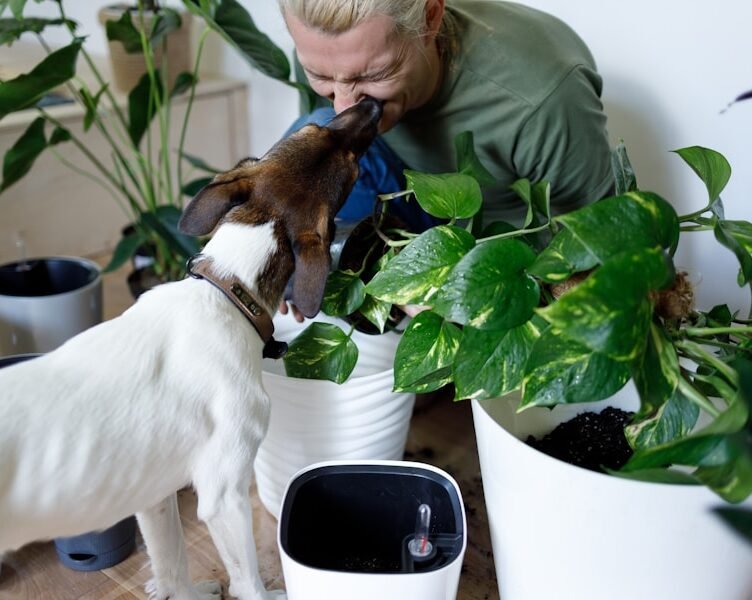
Aphids are small, soft-bodied insects that feed on plant sap. They are members of the superfamily Aphidoidea and are renowned for their rapid reproduction rates. Aphids can transmit plant viruses, making them particularly damaging pests. They come in various colors, including green, black, yellow, red, and brown.
Detecting Aphid Infestations
- Visible Pests: Aphids are often visible to the naked eye. Look for clusters of small, pear-shaped insects, typically on new growth, leaf undersides, and flower buds.
- Honeydew and Sooty Mold: Like mealybugs, aphids excrete honeydew, leading to sticky plant surfaces and the potential for sooty mold growth.
- Distorted Growth: Aphid feeding can cause leaves to curl, crinkle, or become distorted. New shoots may be stunted, and flower buds may fail to open or produce deformed flowers.
- Ant Activity: The presence of ants on your plants can indicate an aphid infestation, as ants “farm” aphids for their honeydew.
Managing Aphid Populations
- Manual Methods:
- Wipe or Spray: For localized infestations, wipe aphids off leaves with a damp cloth or spray them off with a strong stream of water.
- Pruning: Remove heavily infested plant parts.
- Biological Control:
- Ladybugs: Ladybugs and their larvae are voracious predators of aphids. Introduce them to your garden as a natural control measure.
- Lacewing Larvae: These tiny predators also prey on aphids.
- Parasitic Wasps: Specific parasitic wasps lay their eggs inside aphids, effectively mummifying them.
- Chemical Control:
- Insecticidal Soaps: These soaps provide contact control by disrupting the aphid’s cell membranes. Ensure good coverage.
- Neem Oil: Neem oil acts as an anti-feedant, repellent, and growth disruptor.
- Horticultural Oils: These light oils suffocate aphids by blocking their breathing pores. Apply carefully, especially in hot weather, to avoid plant damage.
- Pyrethrin-based Insecticides: Derived from chrysanthemums, pyrethrins offer rapid knockdown of aphids but have a short residual effect.
Fungus Gnats: The Annoyance of Damp Soil
Fungus gnats are small, dark-winged flies from the families Sciaridae and Mycetophilidae. While the adult gnats are primarily a nuisance, it is their larvae that cause potential damage to plants. Fungus gnat larvae feed on fungi, organic matter, and, critically, plant roots, especially in overly moist soil conditions.
Identifying Fungus Gnats
- Adult Gnats: You will observe small, black, mosquito-like flies hovering around plants, especially near the soil surface. They are attracted to humidity and decomposing organic matter.
- Larvae: Fungus gnat larvae are translucent, legless, with shiny black heads. They are difficult to see without disturbing the soil. You might occasionally see them wriggling on the soil surface, particularly after watering.
- Plant Damage: While adult gnats cause no direct harm to plants, heavy larval infestations can lead to root damage. Symptoms include wilting, stunted growth, yellowing leaves, and general decline, particularly in seedlings and young plants.
Control Strategies for Fungus Gnats
- Cultural Methods: The Key to Prevention:
- Allow Soil to Dry: This is the most crucial step. Fungus gnat larvae require consistently moist soil to survive. Allow the top inch or two of potting mix to dry out completely between waterings. This creates an inhospitable environment for the larvae.
- Improved Drainage: Ensure your pots have adequate drainage holes. Avoid leaving plants in standing water.
- Sterile Potting Mix: Use sterile, high-quality potting mix when repotting. Non-sterile mixes can introduce gnat eggs.
- Remove Debris: Clear away any decaying organic matter (fallen leaves, spent flowers) from the soil surface, as this provides food for larvae.
- Physical Traps:
- Yellow Sticky Traps: These traps attract adult gnats, capturing them and reducing the breeding population. Place them horizontally at the soil level or vertically near the plant.
- Biological Control:
- Beneficial Nematodes: Steinernema feltiae are microscopic roundworms that specifically target and kill fungus gnat larvae in the soil. Apply them as a drench to the soil.
- Bacillus thuringiensis israelensis (Bti): A naturally occurring bacterium that is toxic to the larvae of certain insects, including fungus gnats. It is available in various forms (dunks, granules) and can be added to water used for irrigation.
- Chemical Control:
- Insecticides (Soil Drench): While less commonly recommended for houseplant fungus gnats due to the effectiveness of cultural and biological methods, some insecticides can be applied as a soil drench to target larvae. Exercise caution and follow instructions carefully, as some products may not be suitable for all plants or environments.
Integrated Pest Management (IPM): A Holistic Approach
Effective pest control is not a one-time event but an ongoing process. Integrated Pest Management (IPM) is a strategy that focuses on long-term prevention of pests through a combination of techniques, minimizing risks to human health and the environment.
Principles of IPM
- Prevention: The first line of defense is preventing pest problems before they start. This involves good sanitation, appropriate plant selection, and providing optimal growing conditions. A healthy plant is inherently more resistant to pests.
- Monitoring: Regular inspection of your plants is critical for early detection. The sooner you identify a pest problem, the easier it is to manage. Consider your plant as a fortress and yourself as its vigilant guard, constantly scanning its walls for breaches.
- Identification: Accurate identification of the pest is paramount. Knowing your enemy allows you to select the most appropriate and effective control measures. A wrong diagnosis can lead to ineffective treatments and wasted effort.
- Thresholds: Understand when a pest population warrants intervention. Not every pest sighting requires immediate chemical treatment. Sometimes, a small, tolerable population can exist without significant plant damage, and natural predators may keep it in check.
- Control Methods: Employ a combination of control methods, favoring less toxic options first. Start with cultural and mechanical controls, then consider biological solutions, and use chemical controls as a last resort, always prioritizing targeted and low-impact products.
Implementing IPM in Practice
- Regular Inspections: Make a routine of thoroughly inspecting all parts of your plants, including the undersides of leaves and new growth.
- Record Keeping: Note new plant purchases, watering schedules, and any observed pest activity. This helps identify patterns and monitor the effectiveness of control measures.
- Environmental Adjustments: Modify environmental factors like humidity, light, and watering to create conditions less favorable for pests.
- Quarantine New Plants: Isolate new additions to your collection for at least two to four weeks to ensure they are pest-free before introducing them to your main plant population.
- Sanitation: Remove dead leaves, spent flowers, and any plant debris. Clean pots and tools regularly.
By understanding the life cycles, identification markers, and control methods for spider mites, mealybugs, aphids, and fungus gnats, you can effectively protect your plants. Employing an IPM approach will lead to resilient plants and a balanced gardening environment, minimizing the need for harsh interventions. Consistent vigilance and prompt action are your most effective tools in the ongoing battle against these pervasive pests. Remember, your actions are the shield for your plant’s vitality.

“`
FAQs
1. What are spider mites, mealybugs, aphids, and fungus gnats?
Spider mites, mealybugs, aphids, and fungus gnats are common pests that can infest indoor and outdoor plants. Spider mites are tiny arachnids that feed on plant sap, mealybugs are small, soft-bodied insects covered in a white, waxy substance, aphids are small insects that also feed on plant sap, and fungus gnats are small flying insects that lay their eggs in the soil of potted plants.
2. How can I identify spider mites, mealybugs, aphids, and fungus gnats on my plants?
Spider mites can be identified by the fine webbing they produce on the undersides of leaves, mealybugs can be identified by their white, cottony appearance, aphids can be identified by their small size and pear-shaped bodies, and fungus gnats can be identified by their small size and habit of flying around potted plants.
3. What are the potential risks of having spider mites, mealybugs, aphids, and fungus gnats on my plants?
Spider mites, mealybugs, aphids, and fungus gnats can all cause damage to plants by feeding on their sap, which can lead to stunted growth, yellowing leaves, and even death of the plant if left untreated. Additionally, these pests can also spread diseases to plants.
4. How can I eliminate spider mites, mealybugs, aphids, and fungus gnats from my plants?
Spider mites, mealybugs, and aphids can be eliminated by using insecticidal soaps, neem oil, or horticultural oils, as well as by physically removing them from the plant with a strong stream of water. Fungus gnats can be controlled by allowing the soil to dry out between waterings and using sticky traps to catch the adult flies.
5. How can I prevent spider mites, mealybugs, aphids, and fungus gnats from infesting my plants in the future?
To prevent infestations of these pests, it is important to regularly inspect plants for signs of infestation, keep plants healthy and well-watered, avoid over-fertilizing, and quarantine new plants before introducing them to your existing collection. Additionally, maintaining good air circulation and cleanliness around plants can help prevent infestations.