
Pruning, in horticulture, refers to the selective removal of plant parts. For indoor plants, it is a critical practice for maintaining health, vigor, and aesthetic appeal. This guide outlines fundamental principles and techniques for effectively pruning your houseplants.
Why Prune Indoor Plants?
Pruning is not merely about trimming; it is a strategic intervention that influences a plant’s growth patterns and overall well-being. Understanding the rationale behind pruning can help you make informed decisions.
Enhancing Plant Health
Removing diseased, dead, or damaged foliage and stems is paramount. These compromised parts can harbor pathogens or pests, and their removal prevents the spread of infection. Furthermore, a plant expends energy on these non-viable components, diverting resources from healthy growth. Think of it as excising a minor infection before it becomes systemic.
Promoting Bushier Growth
Apical dominance, a phenomenon where the terminal bud inhibits the growth of lateral buds, is common in many plant species. Pruning the apical meristem (the growing tip) disrupts this dominance, encouraging the development of side shoots. This leads to a denser, more compact plant structure rather than a tall, spindly one. It’s akin to redirecting traffic – blocking one route forces vehicles onto others.
Controlling Size and Shape
Indoor plants often outgrow their designated spaces or develop an unruly form. Pruning allows you to manage their dimensions and sculpt them into a more desirable silhouette. This is particularly important for plants in confined environments. Consider it architectural design for your botanical inhabitants.
Encouraging Flowering and Fruiting
For some flowering or fruiting plants, specific pruning techniques can stimulate blossom production. Removing spent flowers (deadheading) often prompts the plant to produce new blooms as it attempts to complete its reproductive cycle. In fruiting plants, selective pruning can direct energy towards fruit development rather than excessive vegetative growth.
Essential Pruning Tools
The right tools simplify the task and minimize plant damage. Using appropriate, sharp implements is crucial for clean cuts that heal quickly.
Hand Pruners (Secateurs)
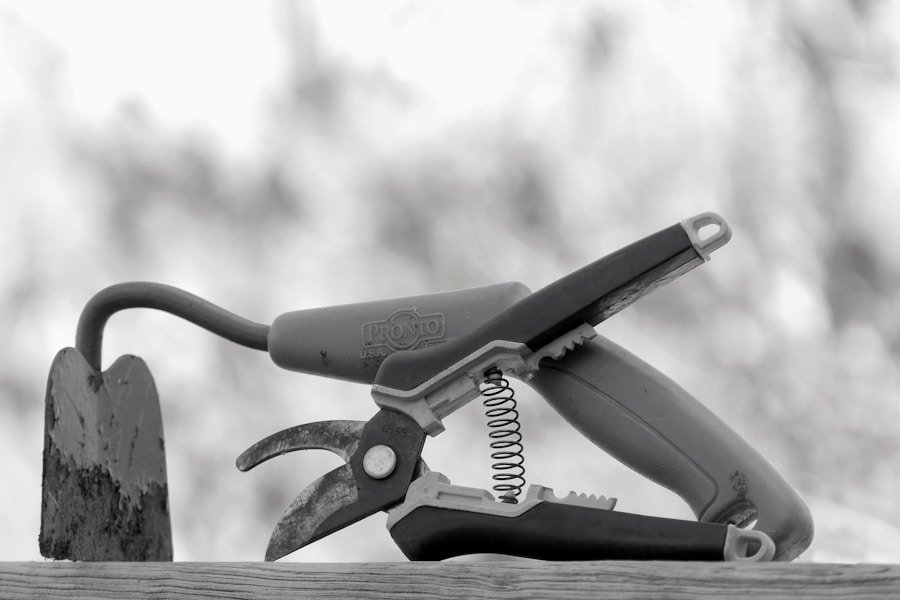
These are indispensable for most indoor pruning tasks. Look for bypass pruners, which operate like scissors, making clean cuts on live stems. Anvil pruners crush stems and are generally not recommended for live tissue. Ensure the blades are sharp to prevent tearing. Dull blades cause ragged cuts, which are more susceptible to disease. Regular cleaning and oiling will maintain their effectiveness.
Pruning Shears (Snips)
For smaller, more delicate cuts, such as deadheading or fine shaping, pruning shears offer greater precision. Their smaller size and lighter weight make them ideal for intricate work.
Sterilizing Tools
Before and after each pruning session, and especially when moving between different plants, sterilize your tools. This prevents the transfer of diseases. A 70% isopropyl alcohol solution or a bleach solution (1 part bleach to 9 parts water) are effective sterilants. Wipe down blades thoroughly. This is a critical sanitation measure, much like a surgeon sterilizing instruments before an operation.
When to Prune Indoor Plants
Timing is a significant factor in successful pruning. Incorrect timing can stress the plant or reduce flowering.
General Pruning
For most indoor plants, the optimal time for general pruning is during their active growing season, typically spring or early summer. At this time, plants are actively producing new growth and have ample energy to recover from pruning wounds. Avoid heavy pruning during dormancy or periods of stress.
Emergency Pruning
If you encounter severely damaged, diseased, or pest-ridden parts, immediate removal is necessary, regardless of the season. This is a triage situation; the priority is to prevent further harm.
Flowering Plants
For plants that flower on new growth, prune in late winter or early spring before new growth emerges. This encourages robust new shoots that will bear flowers. For plants that flower on old growth, prune immediately after flowering to allow sufficient time for new wood to develop before the next blooming cycle. Deadheading, the removal of spent flowers, can be done continuously to encourage more blooms.
Basic Pruning Techniques
Effective pruning involves understanding where and how to make cuts. Precision and a clean approach are key.
Making Clean Cuts
Always use sharp, sterilized tools to make clean cuts. A clean cut heals faster and reduces the risk of infection. Avoid tearing or crushing stems. Cut at a slight angle to allow water to run off, further minimizing fungal issues.
Pruning Above a Node
A node is the point on a stem where leaves or branches emerge. When pruning, make your cut just above a node, about 1/4 inch (0.6 cm) to 1/2 inch (1.2 cm) above the bud. This encourages the bud at that node to sprout, directing growth in a desired direction. Cutting too far from the node leaves a stub that can die back and become an entry point for disease. Cutting too close can damage the node itself.
Removing Dead or Damaged Growth
Cut back to healthy tissue. If a stem is dead, trace it back to its origin and cut it off at the base or at the point where it meets a healthy stem. For damaged leaves, you can either remove the entire leaf at its petiole (leaf stalk) or trim off the damaged portion, ensuring you cut along the natural leaf margin to maintain aesthetics.
Thinning Out
Overly dense growth can restrict air circulation, leading to fungal problems, and can also limit light penetration. Remove some interior branches or shoots to open up the plant. This is particularly important for plants with a tendency to become leggy or bushy. A well-thinned plant is like a well-ventilated room; it promotes overall health.
Specific Pruning Scenarios
Different situations call for tailored pruning strategies. Applying the correct technique to specific problems will yield optimal results.
Leggy Growth
Legginess occurs when plants stretch excessively towards a light source, resulting in long, sparse stems with few leaves. This often indicates insufficient light. To correct legginess, prune back the elongated stems. Make your cuts above a node where you desire new, bushier growth to emerge. Additionally, address the underlying cause by providing more adequate light. Think of it as resetting the plant’s growth trajectory.
Overgrown Plants
When a plant becomes too large for its space or pot, significant pruning may be necessary. You can reduce the overall size by selectively cutting back longer stems to a desirable length. Aim to maintain the plant’s natural shape while reducing its bulk. Avoid removing more than one-third of the plant’s total foliage at one time, as this can severely stress the plant. Gradually reduce size over several pruning sessions if severe reduction is needed.
Propagating Through Pruning
Many indoor plants can be propagated from stem cuttings taken during pruning. When you trim stems, especially during the growing season, consider placing the pruned sections in water or a rooting medium. If the cuttings have at least one node and a few leaves, they have a good chance of rooting, effectively giving you new plants from your pruning efforts. This transforms waste into opportunity.
Pruning to Encourage Flowering
As mentioned earlier, deadheading spent flowers is a simple yet effective way to encourage more blooms in many species. For plants that produce flowers on new growth, strategic pruning in early spring can stimulate the emergence of new flowering shoots. Research your specific plant’s flowering habits to determine the best approach.
Root Pruning
While primarily focused on aerial parts, root pruning is an advanced technique sometimes employed when repotting severely root-bound plants. This involves removing a portion of the outer root ball to stimulate new root growth within a slightly larger pot. This is a more drastic measure and should only be performed on healthy, robust plants and generally not more than once every few years. It’s akin to rebuilding the foundation of a structure.
Post-Pruning Care
The period immediately following pruning is crucial for the plant’s recovery and subsequent growth.
Watering and Fertilizing
After pruning, thoroughly water your plant. This helps to rehydrate the plant and supports the energy expenditure required for wound healing and new growth. If it’s during the active growing season, you may consider a diluted dose of balanced liquid fertilizer to provide essential nutrients for recovery and new development. However, avoid over-fertilizing, which can burn sensitive roots.
Providing Adequate Light
Ensure the pruned plant receives ample, appropriate light. Good light is essential for photosynthesis, which powers the plant’s recovery and new growth. If legginess was an issue, increasing light exposure should be a primary concern.
Monitoring for Pests and Diseases
Fresh cuts can be vulnerable entry points for pests and pathogens. Regularly inspect your pruned plants for any signs of trouble. Prompt action can prevent minor issues from escalating. This vigilance is a form of intensive care for your plant.
Pruning is not arbitrary defoliation; it is a mindful collaboration with your plant’s natural growth processes. By understanding the principles and applying the techniques outlined here, you can support the health, vitality, and aesthetic appeal of your indoor plant collection. Consistent, thoughtful pruning will transform your plants from mere occupants to thriving, vibrant members of your indoor environment.
FAQs
1. Why is pruning important for indoor plants?
Pruning is important for indoor plants because it helps to promote healthy growth, remove dead or diseased parts, and maintain the overall shape and appearance of the plant.
2. When is the best time to prune indoor plants?
The best time to prune indoor plants is typically in the spring or early summer, as this is when they are actively growing. However, pruning can be done as needed throughout the year to remove dead or damaged foliage.
3. What tools are needed for pruning indoor plants?
Common tools for pruning indoor plants include sharp scissors or pruning shears for cutting stems and foliage, as well as a clean, damp cloth or rubbing alcohol for sterilizing the tools before and after use.
4. How should indoor plants be pruned?
When pruning indoor plants, it’s important to make clean cuts at a 45-degree angle just above a leaf node or bud. Remove any dead or yellowing leaves, as well as any stems that are crossing or rubbing against each other.
5. Are there any specific tips for pruning different types of indoor plants?
Yes, different types of indoor plants may require specific pruning techniques. For example, for vining plants, it’s important to trim back long, leggy growth to encourage bushier growth. For flowering plants, removing spent blooms can promote new flower production. It’s important to research the specific needs of each plant before pruning.