
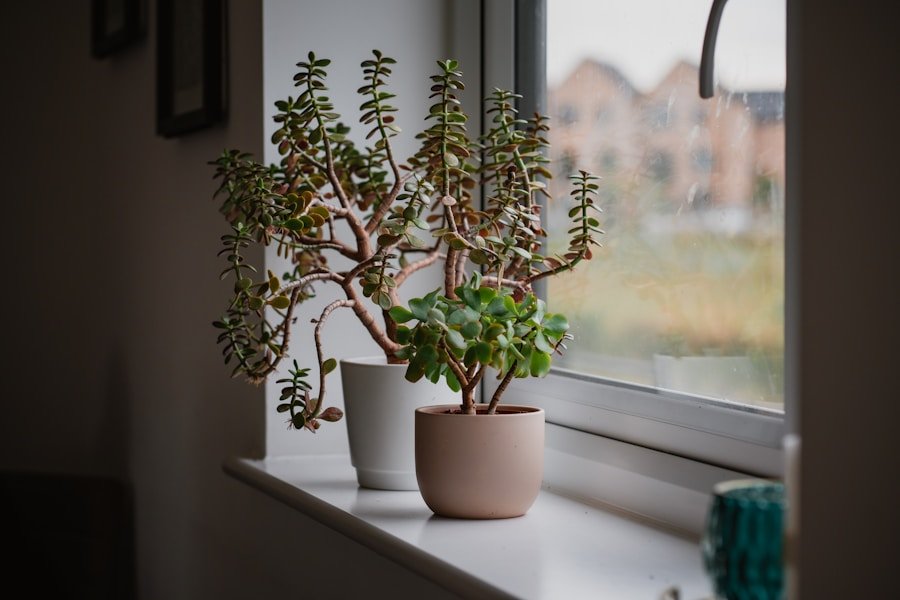
This article outlines a systematic approach to plant recovery, focusing on identification, diagnosis, and intervention for struggling houseplants. It assumes a reader actively seeking to revive a plant exhibiting signs of severe decline. The aim is to provide practical, actionable advice in a structured format, drawing parallels to a rescue operation where time and accurate assessment are critical.
Initial Assessment: The Patient’s Condition
Upon encountering a plant that appears to be on the verge of collapse, the most immediate step is to conduct a thorough visual examination. This is akin to a preliminary triage in an emergency situation, where identifying the primary distress signals is paramount. Avoid making assumptions about the cause at this stage; focus solely on observing and documenting the symptoms.
Identifying the Core Problem
- Leaf Appearance: Detailing the condition of the leaves provides crucial diagnostic information.
- Color Changes: Note any yellowing (chlorosis), browning, blackening, or wilting. Document if these changes are uniform across the plant or localized to specific areas.
- Texture and Form: Observe if leaves are crisp and dry, limp and soft, or developing spots, holes, or curling edges.
- Presence of Pests: Inspect the undersides of leaves, stems, and soil surface for any visible insects, webbing, or sticky residue. Use a magnifying glass if necessary.
- Stem and Trunk Evaluation: The structural integrity of the plant is a key indicator of its overall health.
- Softening or Rotting: Feel the stems and trunk for any mushy or discolored areas, which can indicate root rot or fungal infections.
- Dryness and Brittleness: Conversely, note if stems are exceptionally dry and brittle, suggesting dehydration.
- Pest Infestation Signs: Look for small holes, sawdust-like material (frass), or visible insect bodies on the stem.
- Soil Condition: The medium in which the plant resides plays a vital role in its survival.
- Moisture Level: Assess the soil’s dampness. Is it bone dry, waterlogged, or moderately moist? Use your finger to check several inches below the surface.
- Odor: A foul or rotten smell emanating from the soil is a strong indicator of root rot.
- Compaction and Drainage: Observe if the soil is extremely compacted, hindering aeration, or if water pools on the surface, signifying poor drainage.
- Mold or Algae Growth: The presence of surface mold or green algae can point to overwatering and poor air circulation.
- Root System Examination (If Possible): Gently removing the plant from its pot, if feasible without causing further stress, allows for a direct assessment of the root health. This is often a last resort if external symptoms are severe and ambiguous.
- Color and Texture: Healthy roots are typically firm and light-colored (white to tan). Rotten roots are dark, mushy, and may emit a foul odor. Dry, brittle roots indicate severe dehydration.
- Root Bound Condition: If the roots are tightly circling the pot, it suggests the plant has outgrown its container.
Diagnosis: Identifying the Culprit
Once the symptoms are meticulously documented, the next phase involves piecing together the evidence to determine the underlying cause of the plant’s distress. This diagnostic process is similar to a medical professional analyzing a patient’s symptoms to arrive at a specific illness.
Common Undesirable Conditions
- Watering Irregularities: This is perhaps the most frequent offender in houseplant demise.
- Overwatering: Leads to root suffocation and rot. Symptoms include yellowing leaves, wilting (even with moist soil), and potentially soft, mushy stems.
- Underwatering: Causes dehydration. Symptoms manifest as dry, crispy leaves, wilting, leaf drop, and stunted growth.
- Light Deprivation or Excess: Plants require specific light conditions to photosynthesize effectively.
- Insufficient Light: Results in leggy growth, pale leaves, and a lack of flowering.
- Excessive Light: Can cause scorching, brown spots, and bleached-out leaf color.
- Nutrient Deficiencies or Excesses: While often a slower decline, severe imbalances can contribute to significant weakening.
- Deficiencies: Manifest as specific coloration patterns (e.g., iron deficiency causing interveinal chlorosis), stunted growth, or abnormal leaf development.
- Toxic Buildup (Fertilizer Burn): Can occur from over-fertilization, presenting as brown leaf tips and edges, wilting, and a white crust on the soil surface.
- Pest Infestations: A diverse range of insects can plague houseplants, weakening them by draining sap or causing physical damage.
- Common Pests: Aphids, spider mites, mealybugs, scale insects, and fungus gnats. Each has distinct visual cues and feeding habits.
- Diseases: Fungal, bacterial, or viral infections can compromise a plant’s health.
- Fungal Issues: Often present as leaf spots, powdery mildew, or root rot.
- Bacterial Issues: Can cause wilting, leaf spots with water-soaked margins, and soft rot.
- Environmental Stressors: Factors beyond basic care can contribute to decline.
- Temperature Extremes: Both heat and cold can damage plant tissues.
- Low Humidity: Especially problematic for tropical plants, leading to crispy leaf edges and tip burn.
- Drafts: Exposure to cold or hot drafts can shock plants.
- Repotting Shock: While necessary, the process itself can temporarily stress a plant.
Differentiating Between Issues
- Contextual Clues: Consider the plant’s known requirements and recent care history. Did you recently change watering habits? Has the plant been moved? This information is invaluable.
- Pattern Recognition: Compare the observed symptoms to descriptions of common plant ailments. For instance, uniformly yellowing leaves on moist soil strongly suggests overwatering and potential root rot. Crispy brown leaf edges on a plant near a draft point to environmental stress.
- Excluding Possibilities: Systematically eliminate potential causes based on the evidence. If there are no visible pests, pest infestation is less likely to be the primary cause, although some pests are difficult to spot.
Intervention: The Treatment Plan
Once a diagnosis has been made, a targeted intervention strategy can be formulated. This is akin to administering a specific medication or performing a necessary surgical procedure to address the diagnosed ailment. It is crucial to act decisively but with caution to avoid compounding the problem.
Immediate Actions for Critical Cases
- Watering Correction: This is often the first and most critical step.
- For Overwatered Plants: Stop watering immediately. Ensure the pot has adequate drainage holes. If the soil is waterlogged, gently remove as much excess water as possible. Consider an emergency repotting into fresh, well-draining soil if root rot is suspected.
- For Underwatered Plants: Provide a thorough, deep watering. Allow excess water to drain away completely. Consider placing the pot in a basin of water for an hour to ensure the soil rehydrates evenly, but do not leave it sitting in water long-term.
- Pest Eradication: Address visible infestations promptly.
- Manual Removal: For larger pests like mealybugs, they can often be physically removed with a cotton swab dipped in rubbing alcohol.
- Washing: For smaller pests on leaves, gently wash them off with water and mild soap.
- Insecticidal Soap or Neem Oil: Apply as directed for more persistent infestations. Always test on a small area of the plant first to check for sensitivity.
- Repotting for Root Issues: If root rot or a severely root-bound condition is identified, repotting is often necessary.
- Assess Roots: Carefully trim away any black, mushy, or dead roots with clean, sharp scissors.
- New Pot and Soil: Choose a pot that is only slightly larger than the root ball (if repotting from a root-bound state) and use fresh, appropriate potting mix. Ensure good drainage.
Stabilizing Care and Long-Term Recovery
After initial interventions, the focus shifts to providing the optimal environment for the plant to recuperate. This is the convalescent period, where careful management is key to full recovery.
Adjusting Environmental Factors
- Light Management: Place the plant in a location that provides the appropriate light intensity for its species. Often, a severely stressed plant benefits from slightly reduced light during recovery to minimize further stress.
- Observe Response: Monitor the plant closely for signs of improvement or further decline based on its new light exposure.
- Humidity Control: For tropicals or plants suffering from dry air, increasing humidity can be beneficial.
- Misting: While temporary, it can offer some relief.
- Pebble Tray: Placing the pot on a tray filled with pebbles and water (ensuring the pot is not sitting directly in the water) is a more sustained method.
- Humidifier: For significant humidity needs, a room humidifier is the most effective solution.
- Temperature Regulation: Ensure the plant is kept away from extreme temperature fluctuations, drafts, and direct heat sources.
Nutritional Support (Use with Caution)
- Avoid Fertilizing Immediately: A stressed plant cannot effectively utilize nutrients and can be further harmed by fertilizer. Wait until the plant shows clear signs of new growth before considering fertilization.
- Diluted Fertilizers: When resuming feeding, start with a significantly diluted fertilizer solution (e.g., half or quarter strength) to avoid overwhelming the plant.
Monitoring Progress and Adjusting the Plan
Plant recovery is rarely instantaneous. Consistent observation and a willingness to adapt the care plan are essential for a successful outcome.
- Daily Visual Checks: Look for signs of new growth, color improvement, and pest reappearance.
- Soil Moisture Monitoring: Continue to check soil moisture regularly, adjusting watering frequency as needed based on the plant’s recovery and environmental conditions.
- Pest Surveillance: Remain vigilant for any resurgence of pests, addressing them immediately.
- Patience: Understand that recovery may take weeks or months, depending on the severity of the neglect and the plant’s resilience.
Prevention and Future Care Strategies
The most effective “rescue” is one that prevents a plant from reaching a critical state in the first place. By understanding the plant’s needs and implementing consistent care practices, future crises can be averted. This phase is about building a robust defense system for your plants.
Understanding Individual Plant Needs
- Species-Specific Research: Every plant has unique requirements regarding light, water, humidity, and soil. It is crucial to research the specific needs of each plant in your collection.
- Online Resources: Utilize reputable botanical websites and forums for detailed information.
- Plant Tags: While basic, plant tags provide initial guidance.
- Observation as a Tool: Learn to “read” your plants. Subtle cues often indicate their needs before they become severe problems. A slightly drooping leaf might signal thirst, while a yellowing leaf could indicate overwatering.
Implementing a Routine
- Watering Schedule (Flexible): Rather than a rigid schedule, develop a habit of checking soil moisture regularly. Adjust watering based on the season, temperature, and the plant’s growth cycle.
- Light Assessment: Periodically review the light conditions in your home to ensure plants are receiving adequate, but not excessive, light.
- Regular Inspection: Make it a habit to inspect your plants for pests, disease signs, and general vigor during watering or when passing by.
Proactive Measures
- Appropriate Potting Mix: Use well-draining potting mixes suitable for the specific plant type.
- Adequate Drainage: Ensure all pots have drainage holes to prevent waterlogging.
- Fertilizing Responsibly: Fertilize during the growing season and follow product instructions carefully, avoiding over-fertilization.
- Pest Prevention: Isolate new plants before introducing them to your collection to prevent the spread of pests. Maintain good airflow and hygiene.
- Seasonal Adjustments: Plants’ needs change with the seasons. They typically require less water and no fertilizer during their dormant period.
Recognizing Failure and Moving Forward
While the goal is always recovery, it is important to acknowledge that some plants, despite best efforts, may not survive severe neglect. Accepting this outcome is part of the learning process in plant care.
When Recovery is Unlikely
- Extensive Root Rot: If the majority of the root system has decayed, the plant’s ability to absorb water and nutrients is severely compromised, making survival difficult.
- Complete Desiccation: If a plant has been allowed to dry out to the point where stems and leaves are completely brittle and lifeless, regeneration may be impossible.
- Advanced Disease or Pest Infestation: In cases of widespread or deeply entrenched disease or pest issues that cannot be effectively eradicated without killing the plant, failure is a possibility.
Lessons Learned from the Experience
- Analyze What Went Wrong: Reflect on the diagnostic process and the interventions taken. Understanding the specific reasons for failure provides valuable knowledge for future plant husbandry.
- Source of Distress: Was it a single factor or a combination of issues? Identifying the primary cause of collapse is key.
- Timing of Intervention: Was the intervention too late? This highlights the importance of early detection and action.
The Cycle of Plant Care
- Composting Dead Plants: Even in failure, a plant can contribute to the ecosystem through composting, returning nutrients to the soil.
- Learning and Growing: Each plant experience, successful or not, contributes to a greater understanding of horticulture. The knowledge gained from a failed rescue mission can be applied to countless future successes.
- New Beginnings: The act of losing a plant can also be an opportunity to acquire a new one, armed with the lessons learned from previous experiences. This continuous cycle of learning and care is fundamental to plant ownership.

FAQs
What are signs that a plant is neglected and in need of rescue?
Some signs that a plant is neglected and in need of rescue include wilting, yellowing or browning leaves, stunted growth, and a lack of new growth.
How can I revive a neglected plant?
To revive a neglected plant, start by assessing its specific needs such as water, sunlight, and soil. Trim away any dead or damaged parts, repot if necessary, and gradually reintroduce it to proper care.
What are some common mistakes to avoid when rescuing a neglected plant?
Common mistakes to avoid when rescuing a neglected plant include overwatering, using the wrong type of soil, exposing it to sudden changes in light or temperature, and neglecting to address any pest infestations.
How long does it take for a neglected plant to recover?
The time it takes for a neglected plant to recover depends on the severity of neglect, the type of plant, and the care it receives during the rescue process. Some plants may show signs of improvement within a few weeks, while others may take several months to fully recover.
What are some general tips for preventing neglect of plants in the future?
To prevent neglect of plants in the future, establish a regular watering and care schedule, educate yourself on the specific needs of each plant, invest in self-watering systems or timers, and consider the use of plant care apps or reminders.