
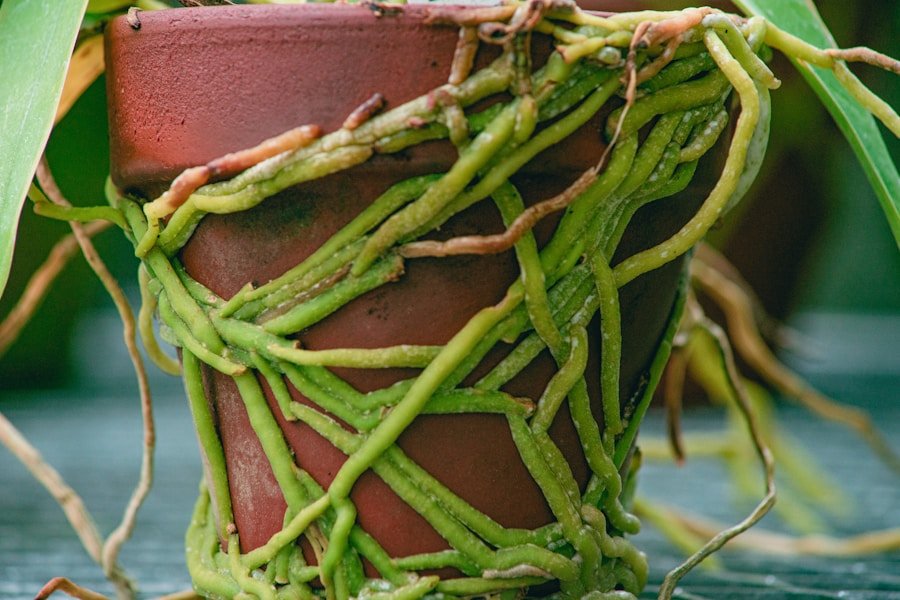
Your plants, specifically orchids and monsteras, possess a remarkable adaptation: aerial roots. These structures, often observed extending beyond the pot in various forms, are not merely aesthetic eccentricities. They are functional organs crucial for the plant’s survival and flourishing in their natural habitats. Understanding their purpose and providing appropriate care is fundamental to cultivating healthy, vigorous specimens in a domestic setting. Misinterpreting their role or providing improper conditions can lead to plant decline, making it essential to demystify these often-misunderstood features.
The Nature of Aerial Roots
Aerial roots are a specialized type of root that grows above ground, exposed to the air. While conventional roots are primarily concerned with anchoring the plant and absorbing nutrients and water from the soil, aerial roots perform a more diverse array of functions, adapting to the plant’s epiphytic or hemiepiphytic growth habit.
Types of Aerial Roots
Not all aerial roots are identical. Their appearance and primary function can vary significantly depending on the plant species and environmental conditions.
Clinging Roots
These roots are characteristic of species that climb, such as many monsteras. They produce adventitious roots along their stems that adhere to surfaces – trees, rocks, or even trellises in cultivation. The microscopic hairs on these roots secrete a sticky substance, creating a strong bond that allows the plant to ascend, gaining access to greater light and air circulation. Imagine them as tiny grappling hooks, enabling the plant to scale its environment.
Velamen Roots (Orchids)
Orchids, particularly epiphytic species, have a distinctive type of aerial root covered in a spongy, multi-layered tissue called velamen. This velamen acts like a specialized sponge, rapidly absorbing atmospheric moisture during periods of rain or high humidity. It also protects the delicate inner root from desiccation and UV radiation. When dry, the velamen appears silvery-gray; when wet, it becomes green as the chlorophyll in the underlying cortex is exposed. This color change is a visual indicator of the root’s hydration status.
Feeder Roots
Some aerial roots, particularly on larger monsteras or those making contact with a substrate, can develop into conventional feeder roots. If an aerial root finds its way into a pot or a patch of moist soil, its structure may adapt, leading to the development of root hairs and increased nutrient absorption capabilities. This demonstrates the plant’s opportunistic nature, capitalizing on available resources.
The Role of Aerial Roots in Plant Health
The presence and health of aerial roots are indicative of a plant’s overall well-being and its ability to interact with its environment. Ignoring them is akin to ignoring a vital organ; it deprives the plant of crucial functionality.
Moisture and Nutrient Absorption
For epiphytic orchids, velamen roots are primary organs for water uptake. They are the plant’s outstretched hands, collecting moisture from the air and any rainfall. In monsteras, while subterranean roots handle a significant portion of water and nutrient absorption, aerial roots can supplement this, especially in humid environments or when they manage to embed themselves in a substrate. This dual system provides a form of insurance, ensuring resource acquisition even if one source is compromised.
Anchorage and Support
For vining monsteras, aerial clinging roots are indispensable for structural support. They allow the plant to climb upwards, mimicking its natural inclination to ascend trees in search of light. Without adequate support, monsteras can become sprawling and weak, unable to develop their characteristic large, fenestrated leaves. In orchids, particularly those growing on bark, aerial roots help to firmly attach the plant to its host, preventing it from falling in high winds or during heavy rainfall.
Gas Exchange
Like all living plant tissues, aerial roots respire, exchanging gases with the atmosphere. While their primary role isn’t gas exchange, their exposure to open air facilitates this process, particularly for velamen roots which are designed to breathe. This contrasts with roots buried in dense, oxygen-depleted soil.
Common Misconceptions and Their Consequences
Many plant owners, particularly those new to orchids and monsteras, harbor misconceptions about aerial roots. These misunderstandings can lead to practices that are detrimental to the plant’s health.
The Myth of Pruning Aerial Roots
One of the most damaging misconceptions is that aerial roots should be trimmed or removed because they appear “untidy” or “unnecessary.” This is akin to removing a limb from a healthy animal.
Why Pruning is Detrimental
- Loss of Function: Removing aerial roots deprives the plant of moisture absorption, nutrient uptake, and anchorage capabilities.
- Stress and Shock: Any pruning, especially of functional tissue, induces stress in the plant, diverting energy towards healing rather than growth.
- Entry Point for Pathogens: Open wounds from pruning provide an easy entry point for fungi, bacteria, and other pathogens, potentially leading to rot or disease.
- Reduced Vigor: Plants with consistently pruned aerial roots will generally exhibit poorer growth, smaller leaves, and reduced flowering.
Attempting to Force Aerial Roots into the Pot
Another common mistake is attempting to manually force exposed aerial roots back into the potting medium. This practice can be equally detrimental.
Why Forcing is Harmful
- Physical Damage: Aerial roots are often brittle and can easily snap or kink when bent, causing irreversible damage.
- Suffocation and Rot: Aerial roots are adapted to air exposure. Burying healthy, air-adapted roots in dense, moist potting medium can lead to suffocation and rot, as they are not designed to function in that environment.
- Disturbance to Existing Roots: Forcing aerial roots into the pot can disturb the established root system, causing further stress.
Proper Care for Aerial Roots
Instead of attempting to alter or remove aerial roots, focus on providing an environment that supports their natural function. Your goal is to work with the plant, not against it.
Providing Adequate Humidity
For both orchids and monsteras, especially those with prominent aerial roots, humidity is paramount. In their native habitats, these plants thrive in environments with consistently high atmospheric moisture.
Methods for Increasing Humidity
- Humidifiers: An automatic humidifier near your plants can maintain consistent humidity levels, particularly beneficial in dry indoor environments.
- Pebble Trays: Placing pots on trays filled with pebbles and water (ensuring the pot itself doesn’t sit in the water) can create a microclimate of higher humidity around the plant.
- Grouping Plants: Plants release moisture through transpiration. Grouping them together can naturally increase the humidity in their immediate vicinity.
- Misting (with caveats): While generally less effective than humidifiers for long-term humidity, occasional misting specifically of the aerial roots can provide a temporary hydration boost for orchids, particularly those with thirsty velamen roots. Avoid misting leaves excessively, as this can encourage fungal issues.
Strategic Watering
Your watering regimen should acknowledge the role of aerial roots in moisture absorption.
Orchid Watering
When watering orchids, drench the entire root system, including the aerial roots. The velamen will rapidly absorb water. Allow the potting medium to dry out almost completely before the next watering, allowing the roots to breathe. The silvery appearance of dry velamen roots serves as a visual cue.
Monstera Watering
While aerial roots on monsteras may not be the primary water absorbers, keeping the general environment humid and ensuring the potting medium is consistently moist (but not waterlogged) will benefit overall root health, including any aerial roots that might be actively seeking moisture or a substrate. Consider allowing aerial roots to reach a moss pole or another humid climbing surface.
Supporting Climbing Habits
For vining monsteras, providing a sturdy support structure is not optional; it is fundamental to their development. Think of it as providing a ladder for the plant to climb towards its aspirations.
Choosing the Right Support
- Moss Poles: These are ideal as they retain moisture, providing a humid environment for aerial roots to cling to and potentially penetrate, even acting as a secondary source of moisture and nutrients.
- Trellises or Stakes: While less ideal than moss poles for moisture, sturdy trellises or stakes allow the plant to grow upwards, accommodating its natural climbing habit. Secure the main stem gently, allowing aerial roots to find their own grip.
Providing Adequate Air Circulation
Paradoxically, while aerial roots crave humidity, they also require good air circulation. Stagnant, humid air can foster fungal growth and disease.
Ensuring Airflow
- Avoid Overcrowding: Give your plants space. Overcrowding inhibits airflow around stems and roots.
- Fans: A small oscillating fan, set on a low setting, can replicate the gentle breezes found in natural environments, improving air circulation without desiccating the plants.
- Open Windows: Periodically opening windows can provide fresh air circulation.
When to Intervene (Minimal and Justified)
While the general rule is to leave aerial roots undisturbed, there are rare instances where minimal intervention might be considered, but only with caution and a clear understanding of the risks.
Completely Desiccated or Dead Roots
If an aerial root is demonstrably dead – shriveled, brittle, completely brown or black, and lifeless – it will no longer serve a function.
Cautious Removal
Using sterilized shears, you can carefully trim away the dead portion, making a clean cut. This is a purely cosmetic intervention and should not be undertaken with healthy, living roots. Ensure your tools are clean to prevent disease transmission.
Roots Causing Instability or Hazard
In extremely rare cases, a particularly robust aerial root might be growing in a way that genuinely creates a hazard or causes significant instability for the pot or the plant in a high-traffic area.
Re-direction or Last Resort Pruning
- Re-direction: Attempt to gently guide the root into a more appropriate direction, perhaps towards a support structure or even another part of the pot if it’s pliable enough.
- Pruning (Extreme Last Resort): If re-direction is impossible and it poses a legitimate hazard, and you are convinced that the plant has ample other healthy roots, you might consider removing a portion. However, this decision should always be made with extreme reluctance and understanding of the potential harm. It is always preferable to adjust the environment or plant placement rather than prune healthy roots.
Observing and Learning from Your Plants

The most effective approach to caring for aerial roots, and indeed for any aspect of plant care, is observation. Your plants are intelligent organisms, and their aerial roots are like delicate feelers, communicating their needs and assessing their surroundings.
Reading the Signals
- Healthy Aerial Roots: Plump, firm, and often light green or white (for orchids), sometimes with active growing tips.
- Dehydrated Aerial Roots: Wrinkled, shriveled, thin, and often appearing grayish. This indicates a need for increased humidity or more regular watering.
- Rotting Aerial Roots: Mushy, black, or dark brown, often accompanied by a foul odor. This indicates excessive moisture and poor air circulation.
By diligently observing the condition of these roots, you gain invaluable insights into the plant’s current state and can adjust your care practices accordingly. Treat your plants’ aerial roots with respect, understanding their function, and providing an environment that allows them to thrive. By doing so, you will unlock the full potential of your orchids and monsteras, fostering robust growth and impressive displays.
FAQs
What are aerial roots?
Aerial roots are roots that grow above the ground, typically from the stem or branches of a plant. They are common in orchids, monsteras, and other epiphytic plants, and serve various functions such as providing support, absorbing moisture, and obtaining nutrients.
How do aerial roots contribute to the health of orchids and monsteras?
Aerial roots play a crucial role in the health and well-being of orchids and monsteras. They help these plants to anchor themselves to trees or other surfaces, absorb moisture and nutrients from the air, and contribute to the overall stability and growth of the plant.
How should aerial roots be cared for?
Aerial roots should be kept moist but not waterlogged. They can be misted regularly or gently sprayed with water to ensure they remain hydrated. It’s important to avoid damaging or removing aerial roots, as they are essential for the plant’s health and growth.
Can aerial roots be propagated or encouraged to grow?
Aerial roots can be encouraged to grow by providing a humid environment and adequate air circulation. In some cases, aerial roots can be propagated by carefully detaching them from the parent plant and planting them in a suitable growing medium.
What are some common issues with aerial roots and how can they be addressed?
Common issues with aerial roots include drying out, rotting, or becoming damaged. To address these issues, it’s important to monitor the moisture levels around the aerial roots, avoid overwatering or underwatering, and provide proper support to prevent damage. Regular inspection and care can help maintain the health of aerial roots.