
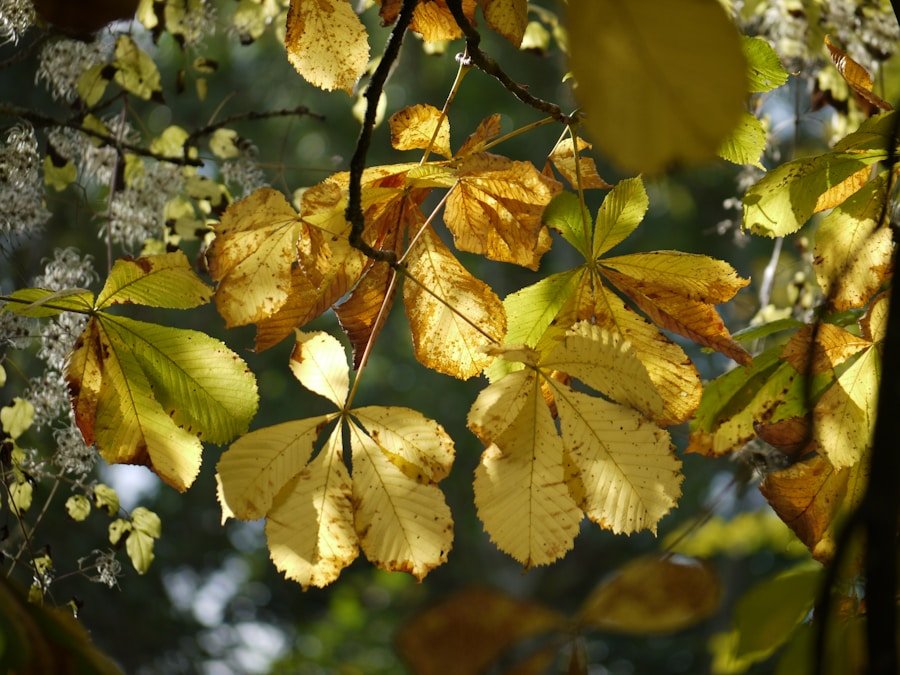
When the vibrant green of a plant’s foliage begins to fade, yielding to a pallid yellow, it signals distress. This discoloration, known as chlorosis, is a common ailment that can plague houseplants, garden specimens, and agricultural crops alike. Identifying the root cause of yellowing leaves is crucial for effective intervention and plant recovery. This article guides you through the process of diagnosing chlorosis, differentiating between nutrient deficiencies and environmental stressors, and implementing appropriate remedies.
Understanding Chlorosis
Chlorosis is a physiological condition characterized by a reduced production of chlorophyll, the green pigment essential for photosynthesis. Without sufficient chlorophyll, a plant’s ability to convert sunlight into energy diminishes, leading to impaired growth and, in severe cases, plant death. The pattern and location of yellowing on the foliage can offer significant clues about the underlying problem.
The Role of Chlorophyll
Chlorophyll, residing within chloroplasts in plant cells, absorbs light energy, primarily in the red and blue spectra, and reflects green light, which is why plants appear green. This absorbed energy drives photosynthesis, the process by which plants synthesize sugars from carbon dioxide and water. A decline in chlorophyll directly correlates with a reduction in photosynthetic efficiency.
Visual Clues and Patterns
Observing the specific pattern of chlorosis is your first diagnostic tool.
- Uniform Yellowing: If all leaves, both old and new, turn yellow uniformly, it often suggests a general environmental stressor or a widespread nutrient issue.
- Interveinal Yellowing: This pattern involves the leaf tissue between the veins turning yellow while the veins themselves remain green. This symptom is a classic indicator of certain micronutrient deficiencies.
- Yellowing of Older Leaves: When older, lower leaves yellow first, it often points to a deficiency in mobile nutrients, which the plant can relocate from older tissues to newer, actively growing parts.
- Yellowing of Newer Leaves: If the youngest, uppermost leaves are the first to show yellowing, it suggests a problem with immobile nutrients, which cannot be easily translocated from older tissues.
- Localized Yellowing: Yellowing confined to specific areas of a plant or particular sections of leaves can indicate localized damage, disease, or pests.
Nutrient Deficiencies
Plants require a balanced array of essential nutrients for healthy growth. These nutrients are broadly categorized as macronutrients and micronutrients, based on the quantities required. A shortage of any one of these can disrupt vital physiological processes, including chlorophyll synthesis, and manifest as chlorosis.
Macronutrients and Their Impact
Macronutrients are needed in larger quantities and include nitrogen, phosphorus, potassium, calcium, magnesium, and sulfur.
Nitrogen (N) Deficiency
Nitrogen is a cornerstone of chlorophyll, amino acids, and proteins. A deficiency in nitrogen is perhaps the most common cause of yellowing.
- Symptoms: Older leaves exhibit a uniform yellowing, progressing from the tips inward and eventually affecting the entire leaf. Stunted growth and spindly stems are also common.
- Remedy: Apply a nitrogen-rich fertilizer or incorporate organic matter like compost.
Phosphorus (P) Deficiency
Phosphorus is vital for energy transfer, root development, and flower/fruit production.
- Symptoms: While less commonly associated with distinct yellowing, phosphorus deficiency can sometimes cause a darkening of leaves, often with a purplish tint, particularly on older foliage. Growth is typically stunted.
- Remedy: Use fertilizers high in phosphorus or introduce bone meal.
Potassium (K) Deficiency
Potassium plays a role in water regulation, enzyme activation, and disease resistance.
- Symptoms: Yellowing typically appears at the leaf margins and tips of older leaves, eventually progressing to necrosis (browning and death of tissue). The leaves may also appear scorched.
- Remedy: Apply potassium sulfate or incorporate wood ash into the soil.
Magnesium (Mg) Deficiency
Magnesium is a central component of the chlorophyll molecule.
- Symptoms: Classic interveinal chlorosis on older leaves, with veins remaining green. As the deficiency progresses, brown necrotic spots may develop.
- Remedy: Apply Epsom salts (magnesium sulfate) as a foliar spray or soil amendment.
Calcium (Ca) Deficiency
Calcium is essential for cell wall formation and structural integrity.
- Symptoms: Primarily affects new growth. Young leaves may appear distorted, scorched, or develop brown spots. Growing tips may die back. Yellowing is less common but can occur marginal on new leaves.
- Remedy: Add gypsum or crushed eggshells to the soil.
Sulfur (S) Deficiency
Sulfur is a component of amino acids and proteins.
- Symptoms: Similar to nitrogen deficiency, but typically affects younger leaves first, which show a uniform light green to yellow color.
- Remedy: Apply gypsum or elemental sulfur.
Micronutrients and Their Impact
Micronutrients are required in smaller quantities but are equally critical for plant health. These include iron, manganese, zinc, copper, boron, molybdenum, and chlorine.
Iron (Fe) Deficiency
Iron is essential for chlorophyll synthesis and enzyme function.
- Symptoms: Pronounced interveinal chlorosis on young leaves, with veins remaining dark green. In severe cases, the entire leaf may turn yellow or white.
- Remedy: Use chelated iron a soil drench or foliar spray. Adjust soil pH, as high pH can limit iron availability.
Manganese (Mn) Deficiency
Manganese is involved in photosynthesis and enzyme activation.
- Symptoms: Interveinal chlorosis on younger leaves, often accompanied by small necrotic spots. Can be confused with iron deficiency, but manganese deficiency often shows a mosaic pattern.
- Remedy: Apply manganese sulfate.
Zinc (Zn) Deficiency
Zinc is crucial for enzyme activity and hormone production.
- Symptoms: Interveinal chlorosis primarily on younger leaves, often leading to a “little leaf” symptom where leaves are smaller and closer together.
- Remedy: Apply zinc sulfate.
Copper (Cu) Deficiency
Copper is important for enzyme activity and lignin formation.
- Symptoms: Young leaves may appear dark green, then yellow, often cupped or distorted. Dieback of shoot tips can occur.
- Remedy: Apply copper sulfate sparingly, as excess copper can be toxic.
Boron (B) Deficiency
Boron is involved in cell wall formation and sugar transport.
- Symptoms: Affects new growth, leading to stunted, distorted, and thickened young leaves. Yellowing is less direct but can be present on distorted leaves, often accompanied by brittle textures. Growing tips may die back.
- Remedy: Apply borax or boric acid sparingly.
Environmental Stressors
Beyond nutrient deficiencies, various environmental factors can induce chlorosis by hindering nutrient uptake, disrupting physiological processes, or causing direct damage. These stressors can act as invisible barriers, preventing your plant from accessing what it needs even if it’s present in the soil.
Water Imbalance
Both excessive and insufficient watering can lead to yellow leaves.
Overwatering
Overwatering starves roots of oxygen, leading to root rot. Damaged roots cannot effectively absorb water and nutrients, resulting in chlorosis.
- Symptoms: Leaves may yellow and become soft or mushy. Older leaves are often affected first, and the plant may show wilting despite the wet soil.
- Remedy: Allow the soil to dry out completely between waterings. Ensure proper drainage in pots. Repot if root rot is severe.
Underwatering
Insufficient water supply leads to dehydration, making it impossible for the plant to transport nutrients.
- Symptoms: Leaves wilt and may become crispy, starting from the tips and edges. Yellowing typically begins on older leaves.
- Remedy: Water thoroughly until water drains from the bottom of the pot. Establish a consistent watering schedule.
Light Conditions
The amount and intensity of light a plant receives directly influence its photosynthetic capacity.
Insufficient Light
Plants require adequate light to produce chlorophyll. In low light conditions, they may shed older leaves to conserve energy.
- Symptoms: Leaves, particularly older ones, yellow and may drop off. The plant may become leggy (stretched out with sparse foliage).
- Remedy: Move the plant to a brighter location, or supplement with artificial grow lights.
Excessive Light (Sunburn)
Just as humans can get sunburned, plants exposed to too much direct sun, particularly after being in a shadier spot, can suffer.
- Symptoms: Yellowing, bleaching, or scorched patches on leaves, often accompanied by browning or crispiness.
- Remedy: Gradually acclimatize plants to brighter light. Provide shade during the hottest parts of the day.
Temperature Extremes
Plants have optimal temperature ranges for growth. Deviations from these ranges can impede enzyme activity and nutrient mobility.
Cold Stress
Temperatures below a plant’s tolerance can damage cell membranes and impair nutrient absorption.
- Symptoms: Leaves may yellow, turn purplish-black, or develop necrotic spots. Growth slows or ceases.
- Remedy: Move plants indoors or provide frost protection.
Heat Stress
Excessive heat can cause rapid transpiration, leading to dehydration and wilting. It can also denature enzymes vital for photosynthesis.
- Symptoms: Leaves may wilt, yellow, or scorch, particularly around the edges.
- Remedy: Provide shade, increase humidity, and ensure adequate watering.
pH Imbalance
Soil pH influences the availability of nutrients to plant roots. Even if nutrients are present in the soil, an inappropriate pH can lock them away, making them inaccessible. Think of it as a gatekeeper: a wonky gate means some guests can’t get in, even if they’re standing right outside.
Alkaline Soil (High pH)
High pH can render micronutrients like iron, manganese, and zinc less available.
- Symptoms: Often presents as interveinal chlorosis on new leaves (iron deficiency being common).
- Remedy: Amend the soil with acidifying agents such as elemental sulfur, peat moss, or iron sulfate.
Acidic Soil (Low pH)
Very low pH can increase the solubility of certain metals to toxic levels and reduce the availability of macronutrients like phosphorus, calcium, and magnesium.
- Symptoms: Can cause stunted growth, leaf discoloration (reddening or purpling), and general nutrient deficiency symptoms.
- Remedy: Amend the soil with liming agents such as dolomitic lime or wood ash.
Diagnosis and Treatment Strategy
When faced with yellowing leaves, a systematic approach is essential. Consider it a detective puzzle where each symptom is a clue.
Observe and Document
Begin by meticulously observing the plant. Note:
- Which leaves are affected (old, new, all)?
- The pattern of yellowing (uniform, interveinal, marginal)?
- Any other accompanying symptoms (wilting, spots, stunted growth)?
- Your recent plant care practices (watering, fertilizing, repotting).
- Environmental conditions (temperature, light exposure).
Check the Basics First
Address the most common and easily rectifiable issues before moving to more complex diagnoses.
Water and Drainage
Ensure the soil is neither waterlogged nor bone dry. Check for proper drainage in pots.
Light Exposure
Evaluate if the plant is receiving adequate light for its species.
Pests and Diseases
Inspect leaves for any signs of pests (spider mites, aphids) or fungal/bacterial diseases, which can also cause chlorosis.
Soil Analysis
A soil test can provide definitive information about pH levels and nutrient availability. This is particularly valuable for outdoor gardens or chronically ailing plants. Look at the report as a plant nutritionist’s advice—it tells you exactly what mineral supplements your “patient” needs.
Targeted Nutrient Application
Based on your observations and, if possible, soil analysis, apply specific fertilizers or amendments to correct identified deficiencies. Avoid broad-spectrum fertilization without knowing the problem, as excess nutrients can also be harmful. For example, if you suspect iron deficiency, provide chelated iron, not just a general fertilizer.
Adjusting Environmental Factors
Modify light, temperature, or humidity as needed to align with the plant’s requirements. Remember, a plant is an ecological being; it needs its habitat precisely tuned.
Patience and Persistence
Plant recovery takes time. After implementing changes, monitor the plant’s progress over weeks, not days. New, healthy growth is the ultimate indicator of successful intervention. Yellowed leaves may not regain their full green color, but new foliage should emerge healthy.

Yellowing leaves are not merely an aesthetic concern; they are a plant’s cry for help. By understanding the common causes and systematically approaching diagnosis, you can often restore your plant to health and vitality. This diagnostic journey reinforces the intricate relationship between a plant’s internal biology and its external environment.
FAQs
1. What are the common causes of yellowing leaves in plants?
The common causes of yellowing leaves in plants are nutrient deficiencies, environmental stress, overwatering, underwatering, and pest infestations.
2. How can I determine if my plant is suffering from nutrient deficiencies or environmental stress?
You can determine if your plant is suffering from nutrient deficiencies or environmental stress by examining the pattern of yellowing on the leaves. Nutrient deficiencies typically result in uniform yellowing, while environmental stress may cause yellowing on specific parts of the leaves.
3. What are the signs of nutrient deficiencies in plants?
Signs of nutrient deficiencies in plants include yellowing leaves, stunted growth, leaf discoloration, and poor fruit or flower production. Each nutrient deficiency may also exhibit specific symptoms, such as purple veins for phosphorus deficiency or yellowing between veins for iron deficiency.
4. How can I address nutrient deficiencies in my plants?
You can address nutrient deficiencies in your plants by using fertilizers specifically formulated to address the lacking nutrients. It’s important to identify the specific nutrient deficiency before applying any fertilizer to avoid over-fertilization.
5. What are some common environmental stressors that can cause yellowing leaves in plants?
Common environmental stressors that can cause yellowing leaves in plants include excessive sunlight, inadequate light, extreme temperatures, poor soil drainage, and air pollution. Identifying and addressing these stressors can help prevent further yellowing of the leaves.