


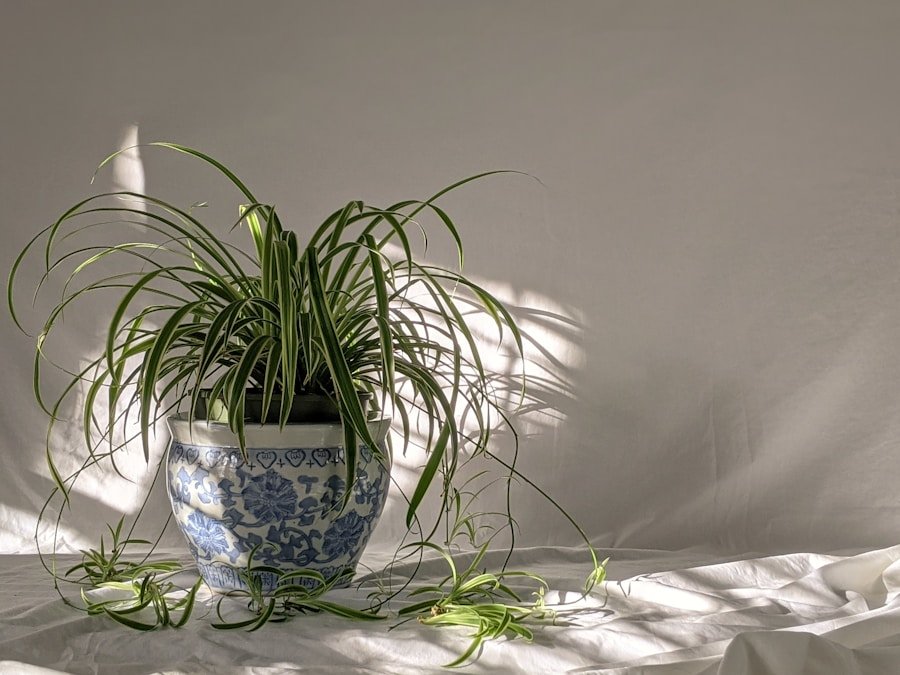
This article discusses indoor plants that can contribute to air purification within enclosed environments. While commonly promoted for their toxin-absorbing qualities, it is important to note that the scientific consensus on their practical effectiveness in significantly reducing indoor air pollutants at typical household concentrations remains a subject of ongoing research and debate. The information presented here is based on studies that have identified certain plants’ capabilities in laboratory settings.
Understanding Indoor Air Quality and Plant-Based Remediation
Indoor air quality (IAQ) is a critical component of a healthy living or working environment. Over decades, as building materials and furnishings have evolved, the potential for off-gassing various volatile organic compounds (VOCs) and other airborne contaminants has increased. These substances can originate from a wide array of sources, including paints, adhesives, cleaning products, furniture, and even everyday activities like cooking. Prolonged exposure to elevated levels of certain indoor air pollutants has been linked to a range of health concerns, from minor irritations like headaches and nausea to more serious respiratory issues and long-term health effects.
Historically, ventilation has been the primary method for addressing poor IAQ. Opening windows and doors allows for the exchange of indoor air with outdoor air, thereby diluting and removing indoor pollutants. However, in many regions, outdoor air itself can be polluted, making this strategy less effective or even counterproductive. Furthermore, modern building practices often prioritize energy efficiency, leading to tighter, more sealed structures that inherently reduce natural ventilation. This has spurred interest in alternative or supplementary methods for improving IAQ.
The concept of using plants for indoor air purification gained significant traction following a NASA study in the late 1980s, often referred to as the “NASA Clean Air Study.” This research aimed to identify plants that could effectively remove certain volatile organic compounds from enclosed spaces, such as those found in spacecraft. The study identified several plant species that demonstrated an ability to absorb specific toxins, such as benzene, formaldehyde, and trichloroethylene, from the air in controlled laboratory conditions. These compounds are commonly found in household environments.
The mechanism by which plants are believed to purify air involves several processes. Firstly, plants absorb carbon dioxide through their leaves during photosynthesis, releasing oxygen. While this is a fundamental biological process, it does not directly address the removal of other pollutants. Secondly, some studies suggest that plants can absorb VOCs through their leaves and roots. The VOCs are then metabolized or broken down by the plant or associated microorganisms in the soil. The soil and its microbial community are now recognized as playing a crucial role in this process, not solely the plant itself. This symbiotic relationship between plant and microbe acts as a miniature ecosystem within the pot, working to break down contaminants.
It is important to contextualize the findings of these laboratory studies. The concentrations of pollutants used in these experiments were often significantly higher than those typically found in average homes. Furthermore, the controlled laboratory environment, with its constant airflow and tightly managed conditions, differs substantially from the dynamic and more variable nature of a typical indoor environment. Therefore, while plants possess the inherent capacity to interact with and potentially absorb certain airborne toxins, the extent to which this translates to a measurable and significant improvement in real-world indoor air quality at a household level is still a matter of scientific inquiry.
Several factors can influence the effectiveness of plants in air purification. The number of plants, the size of the plants, the type of plant, the volume of the room, and the degree of air circulation all play a role. To achieve a demonstrable impact in a typical room, a substantial number of plants, often far more than what is aesthetically practical or economically feasible for most individuals, would theoretically be required. Moreover, the specific pollutants present and their concentrations are critical determinants of which plants might offer any measurable benefit, and to what degree.
Despite these considerations, the aesthetic and psychological benefits of indoor plants are undeniable. They contribute to a sense of well-being, reduce stress, and enhance the visual appeal of a space. Even if their direct impact on air purification is modest, their presence can contribute to a more pleasant and inviting indoor environment. This article aims to present information on plants that have shown potential in studies, acknowledging the scientific nuances.
Identifying Key Indoor Pollutants
Understanding the common culprits found in indoor air is the first step in assessing potential remediation strategies. While there are numerous compounds that can compromise IAQ, a few stand out due to their prevalence and potential health implications.
Formaldehyde
Formaldehyde is a colorless gas with a pungent odor that is a common component of many building materials and household products. It is classified as a known human carcinogen by the International Agency for Research on Cancer (IARC).
Sources of Formaldehyde
Formaldehyde is released through the breakdown of materials that contain urea-formaldehyde resins. These resins are widely used as adhesives in composite wood products, such as particleboard, plywood, and medium-density fiberboard (MDF). Furniture, cabinetry, and flooring made from these materials are significant indoor sources. It is also found in some insulation materials, permanent-press fabrics, and certain personal care products like cosmetics and shampoos. Even some cleaning agents and embalming fluids can contain formaldehyde.
Health Effects of Formaldehyde Exposure
Exposure to formaldehyde can cause a range of symptoms, the severity of which depends on the concentration and duration of exposure. Common effects include irritation of the eyes, nose, and throat, leading to tearing, coughing, wheezing, and shortness of breath. Some individuals may develop allergic reactions, such as skin rashes or asthma-like symptoms. Chronic exposure has been linked to more serious respiratory problems and has been classified as a carcinogen, meaning it can cause cancer.
Benzene
Benzene is a colorless liquid with a sweet odor and is a volatile organic compound (VOC). It is widely used in the production of plastics, synthetic fibers, resins, lubricants, dyes, detergents, and other chemical products. Benzene is a known human carcinogen.
Sources of Benzene in Homes
The presence of benzene in indoor air can originate from both indoor and outdoor sources. Indoors, it can be emitted from paints, varnishes, synthetic fibers, carpeting, and furniture upholstery. It is also a component of cigarette smoke, tobacco products, and some cleaning supplies. Outdoor sources include vehicle exhaust fumes and industrial emissions. Therefore, even with a sealed home, benzene can infiltrate from the surrounding environment.
Health Concerns Associated with Benzene
Exposure to benzene can have serious health consequences. Short-term exposure to high levels can cause dizziness, headaches, confusion, drowsiness, and unconsciousness. Long-term exposure, particularly at lower levels, is linked to a higher risk of developing leukemia and other cancers of the blood-forming organs. It can also affect the immune system and reproductive health.
Trichloroethylene (TCE)
Trichloroethylene, also known as trichloroethane, is a volatile solvent widely used for degreasing metal parts. It is a colorless liquid with a sweet odor similar to chloroform.
Common Industrial and Household Uses
Industrially, TCE is employed in dry cleaning, metal cleaning, and as a vapor degreasing agent. It has also been used in some adhesives, paint removers, and weed killers. While its use has been restricted in many consumer products due to health concerns, residual amounts can persist in some building materials or be present in the environment where it was historically used.
Health Impact of TCE Exposure
Exposure to TCE can affect the central nervous system, leading to symptoms like dizziness, headaches, and impaired coordination. It can also cause liver and kidney damage, as well as reproductive problems. TCE is also classified as a probable human carcinogen.
Xylene
Xylene is a group of three isomers (ortho-, meta-, and para-xylene) that are aromatic hydrocarbons. It is a colorless liquid with a sweet, aromatic odor. Xylene is commonly used as a solvent and diluent in various industries.
Ubiquitous Sources of Xylene
Xylene is found in paints, lacquers, varnishes, adhesives, inks, and sealants. It is also a component of gasoline and cigarette smoke. Therefore, activities like painting, using glues, or smoking indoors can contribute to elevated levels of xylene in the air.
Potential Health Risks of Xylene
Exposure to xylene can cause irritation to the skin, eyes, and respiratory system. Inhaling high concentrations can lead to headaches, dizziness, nausea, and confusion. Chronic exposure may affect the nervous system and liver.
Plants Showcased for Air-Purifying Potential
Based on various studies, particularly the landmark NASA research, several common indoor plants have demonstrated an ability to absorb certain airborne toxins in laboratory settings.
Spider Plant (Chlorophytum comosum)
The spider plant is a popular houseplant known for its ease of care and its visually appealing arching leaves. It is often recommended for beginners due to its resilience.
Effectiveness Against Formaldehyde and Xylene
Studies suggest that the spider plant is effective at removing formaldehyde and xylene from the air. Its broad leaves and rapid growth rate are thought to contribute to its air-filtering capabilities. The plant absorbs these compounds through its stomata, which are pores on the leaves, and potentially through its root system.
Cultivation and Care Considerations
Spider plants thrive in bright, indirect light but can tolerate lower light conditions. They prefer well-draining soil and should be watered when the top inch of soil feels dry. Overwatering can lead to root rot. They are also known for producing “spiderettes,” or baby plants, which can be easily propagated. A healthy plant, with ample leaf surface area, is likely to perform best in any air-purifying role.
Snake Plant (Sansevieria trifasciata)
The snake plant, also known as mother-in-law’s tongue, is a hardy succulent recognized for its stiff, upright leaves. It is highly tolerant of neglect and can survive in various light conditions.
Absorption of Benzene, Formaldehyde, and Trichloroethylene
Research indicates that the snake plant can absorb benzene, formaldehyde, and trichloroethylene. A unique aspect of the snake plant is its CAM (Crassulacean Acid Metabolism) photosynthesis, which allows it to convert carbon dioxide into oxygen at night. This characteristic, while primarily a biological function, contributes to its presence in air-purifying discussions.
Growing Conditions and Maintenance
Snake plants are exceptionally low-maintenance. They prefer well-draining soil and can tolerate infrequent watering, making them ideal for individuals who may forget to water their plants regularly. They can thrive in bright light but also adapt well to very low light environments. Overwatering is their primary enemy, potentially leading to root rot.
Peace Lily (Spathiphyllum wallisii)
The peace lily is an elegant flowering plant with dark green leaves and distinctive white spathes. It is known for its ability to indicate when it needs water by drooping its leaves.
Removal of Ammonia, Benzene, and Formaldehyde
Peace lilies have demonstrated effectiveness in removing ammonia, benzene, and formaldehyde from the air. The large surface area of their leaves and their biological processes contribute to this capability. Ammonia is a particular benefit, as it is common in cleaning products.
Watering and Light Preferences
Peace lilies prefer indirect light and consistently moist soil. They are particularly sensitive to drying out and will visibly wilt when they require water. However, they usually recover quickly once watered. Avoid direct sunlight, which can scorch their leaves. They are also sensitive to chemicals in tap water, so using filtered or distilled water can be beneficial.
Areca Palm (Dypsis lutescens)
The areca palm is a popular large indoor plant, often used in offices and larger living spaces, known for its feathery fronds and its ability to add a tropical feel.
Effectiveness in Removing VOCs and Adding Humidity
The areca palm is cited for its ability to remove several VOCs, particularly formaldehyde. Beyond direct toxin absorption, large-leaved plants like the areca palm can also contribute to indoor humidity through transpiration, which can be beneficial in dry indoor environments. This increased humidity can make the air feel more comfortable and potentially reduce the irritating effects of dryness for some individuals.
Cultivating and Caring for the Areca Palm
Areca palms require bright, indirect light. They prefer consistently moist, but not waterlogged, soil. Overwatering can lead to root rot, while allowing the soil to dry out completely can cause leaf browning. They benefit from regular misting to maintain humidity. Regular pruning of dead fronds helps maintain the plant’s health and appearance.
Boston Fern (Nephrolepis exaltata)
The Boston fern is a classic houseplant, recognized for its lush, arching fronds. It brings a verdant, classic feel to interior spaces.
Phytoremediation Capabilities for Benzene and Formaldehyde
Studies suggest the Boston fern can absorb benzene and formaldehyde from indoor air. Its dense foliage provides a significant surface area for potential absorption. The plant’s interaction with the soil microbiome is also thought to play a role in breaking down these compounds.
Ideal Growing Conditions
Boston ferns thrive in humid environments and prefer indirect light. They require consistently moist soil, but care must be taken to avoid waterlogging. Frequent misting and placement on a pebble tray filled with water can help maintain the necessary humidity. They are sensitive to dry air and drafts.
Other Notable Plants and Their Contributions
While the previously mentioned plants are frequently highlighted, other species have also been recognized for their potential to contribute to a healthier indoor environment. The cumulative effect of multiple plants, each with slightly different strengths, could offer a broader spectrum of air quality improvement.
Chrysanthemums (Chrysanthemum morifolium)
Chrysanthemums are not only appreciated for their vibrant blooms but have also been identified in studies for their air-purifying properties.
Absorption of Formaldehyde, Benzene, and Xylene
Research has indicated that chrysanthemums are effective at removing formaldehyde, benzene, and xylene from the air. They have a high rate of transpiration, which facilitates the uptake of airborne compounds.
Growing and Blooming Cycles
Chrysanthemums are typically grown as annuals indoors for their flowering season. They require bright light and consistent watering. After their bloom cycle, they are often discarded or can be challenging to maintain as long-term houseplants due to their specific growing requirements. Their decorative value during their flowering period is significant.
Gerbera Daisy (Gerbera jamesonii)
The gerbera daisy is cherished for its large, colorful flowers and its cheerful disposition. Beyond its aesthetic appeal, it has demonstrated air-cleansing attributes.
Breakdown of Benzene, Trichloroethylene, and Formaldehyde
Gerbera daisies have shown an ability to remove benzene, trichloroethylene, and formaldehyde from indoor air. Their robust nature contributes to their resilience and potential for sustained air absorption.
Cultivation Needs
Similar to chrysanthemums, gerbera daisies are often treated as seasonal flowering plants. They require bright, direct sunlight to thrive and bloom. They need well-draining soil and moderate watering. They can be somewhat finicky regarding their care, making them a plant for those with a dedicated interest in flowering houseplants.
English Ivy (Hedera helix)
English ivy is a climbing or trailing plant known for its distinctive lobed leaves. It is a versatile plant that can be grown in hanging baskets or allowed to vine.
Effectiveness Against Airborne Fecal Matter and Formaldehyde
Studies have shown that English ivy can be effective at reducing airborne fecal matter particles and formaldehyde in the air. This suggests a broad range of beneficial interactions with airborne contaminants.
Growth Habits and Care
English ivy prefers bright, indirect light but can tolerate shade. It requires consistently moist soil and benefits from regular watering. It is susceptible to spider mites, especially in dry conditions. It can be easily propagated from cuttings. Its trailing habit makes it suitable for decorating shelves and windowsills.
Bamboo Palm (Chamaedorea seifrizii)
The bamboo palm is a slender, multi-stemmed palm that brings a touch of the tropics indoors. It is appreciated for its air-purifying qualities.
Removal of Benzene and Trichloroethylene
The bamboo palm has demonstrated effectiveness in removing benzene and trichloroethylene from the air. Its feathery fronds and overall biomass likely contribute to its absorption capacity.
Growing Environment
This palm thrives in shady to partially shaded conditions and prefers moist, well-draining soil. It is relatively tolerant of lower light levels, making it suitable for various indoor settings. It benefits from regular watering, but care should be taken to avoid waterlogged soil.
Practical Considerations for Air-Purifying Plants
While the scientific literature highlights the potential of certain plants to absorb toxins, translating this into significant real-world impact requires a pragmatic approach. The following points address practicalities to consider.
The Role of Plant Quantity and Surface Area
The effectiveness of any plant-based air purification strategy is directly proportional to the number of plants and their collective leaf surface area. Laboratory studies often utilize a high density of plants relative to the volume of the enclosed space to achieve measurable results.
Scaling Up for Meaningful Impact
In a typical home or office, achieving a concentration of plants that would significantly alter pollutant levels might be impractical, both aesthetically and in terms of plant care requirements. Imagine a room needing dozens, if not hundreds, of plants to rival the air-purifying capacity of a single HEPA air filter. The sheer volume of biomass and the associated watering and light needs become considerable. Therefore, while adding a few plants is beneficial for other reasons, expecting them to be the sole or primary solution for substantial air purification may not align with reality.
Soil and Microbes: The Unsung Heroes
Emerging research emphasizes the critical role of the soil and its microbial community in breaking down absorbed toxins. The plant’s root system and the associated microorganisms form a miniature ecosystem. This biological filtration process is as important, if not more so, than the plant’s direct absorption through its leaves.
Light, Water, and Nutrient Requirements
Each plant species has specific environmental needs that must be met for it to thrive. A struggling or unhealthy plant will have reduced metabolic activity and therefore a diminished capacity to interact with its environment, including potential air purification.
Matching Plants to Your Environment
Before selecting plants, assess the light conditions in your desired location. A plant requiring full sun will not flourish in a dimly lit corner, and vice versa. Understanding these requirements ensures the plant can maintain its health and potentially perform any beneficial functions. Failure to meet these basic needs will result in a plant that is more of a liability than an asset.
The Importance of Healthy Soil Ecosystems
Maintaining a healthy soil environment is crucial. This involves using appropriate potting mixes, ensuring proper drainage, and avoiding the use of harsh chemicals or excessive fertilizers that could harm beneficial microbes. The soil acts as a living filter, and its health directly impacts the plant’s ability to contribute to air quality.
Beyond Toxin Removal: A Holistic Approach
It is important to view indoor plants as part of a broader strategy for improving overall IAQ, rather than a singular solution to pollution. Their other benefits are substantial and should not be overlooked.
Aesthetic and Psychological Well-being
The presence of indoor plants has been shown to reduce stress, improve mood, and enhance the overall aesthetic appeal of a space. They create a more tranquil and inviting atmosphere, contributing to a sense of well-being. This psychological benefit is a tangible and immediate advantage, regardless of air purification capabilities.
Humidity Regulation
Many indoor plants release moisture into the air through transpiration. In dry indoor environments, this can help to increase humidity levels, which can alleviate issues like dry skin, irritated nasal passages, and static electricity. Maintaining optimal humidity can also create a less hospitable environment for certain dust mites and mold spores.
Enhancing Ventilation as the Primary Strategy
While plants can play a supporting role, effective ventilation remains the most critical strategy for managing indoor air quality. Regularly opening windows and doors, using exhaust fans in kitchens and bathrooms, and considering mechanical ventilation systems if necessary are fundamental steps. Plants are best understood as a supplementary measure, adding another layer of potential benefit to an already well-managed indoor environment. The focus should always be on removing pollutants at the source and ensuring adequate air exchange.


FAQs
What are indoor plants known for removing toxins from the air?
Indoor plants such as spider plants, peace lilies, snake plants, and pothos are known for their ability to remove toxins such as formaldehyde, benzene, and trichloroethylene from the air.
How do indoor plants help in detoxifying indoor spaces?
Indoor plants help in detoxifying indoor spaces by absorbing harmful toxins through their leaves and roots, and then converting them into nutrients that the plants can use for growth.
Which toxins do indoor plants commonly remove from the air?
Indoor plants are known to remove toxins such as formaldehyde, benzene, trichloroethylene, xylene, and ammonia from the air, which are commonly found in indoor environments.
What are some low-maintenance indoor plants that are effective in removing toxins?
Low-maintenance indoor plants such as spider plants, snake plants, and pothos are effective in removing toxins from the air and require minimal care and attention.
How many indoor plants are recommended per square foot for effective toxin removal?
To effectively remove toxins from the air, it is recommended to have at least one indoor plant per 100 square feet of indoor space. However, having more plants can further improve air quality.