


Introduction to Indoor Bonsai
Bonsai, the art of cultivating miniature trees in containers, originated in China and was later refined in Japan. While traditional bonsai are often grown outdoors, indoor bonsai offers a way to bring this ancient horticultural practice into the home environment. This article provides practical guidance for maintaining the health and aesthetics of your indoor bonsai specimens. Successful indoor bonsai cultivation requires understanding the specific needs of these living sculptures and adapting outdoor horticultural principles to an interior setting.
Selecting the Right Species
Choosing an appropriate tree species is crucial for indoor bonsai success. Not all tree species tolerate indoor conditions equally well. Factors such as light, humidity, and temperature stability are particularly important to consider.
Deciduous Indoor Bonsai
Deciduous species are characterized by shedding their leaves annually. While some deciduous trees can be grown indoors, they often require a period of dormancy, which can be challenging to replicate accurately in a typical home environment.
- Ficus (Fig species): Many Ficus species are excellent choices for indoor bonsai due to their tolerance of lower light conditions and humidity fluctuations. Ficus microcarpa (Ginseng Ficus) and Ficus benjamina (Weeping Fig) are popular options. They are resilient and can withstand occasional neglect more readily than some other species.
- Chinese Elm (Ulmus parvifolia): The Chinese Elm is a hardy and adaptable species. It can withstand a range of temperatures and light levels, making it a good choice for beginners. Its small leaves and fine branching lend themselves well to bonsai styling.
- Pomegranate (Punica granatum): Dwarf varieties of pomegranate can be cultivated indoors. They produce small flowers and fruit, adding significant aesthetic interest. However, they generally require more light than ficus species.
Evergreen Indoor Bonsai
Evergreen species retain their leaves year-round. These are often more straightforward to maintain indoors as they do not require a distinct dormant period with leaf drop, although some may still benefit from a cooler resting phase.
- Jade Plant (Crassula ovata): While technically a succulent, the Jade plant is often styled as bonsai due to its thick trunk and ease of care. It is highly drought-tolerant and thrives in bright light. Its succulent nature means it stores water, reducing the frequency of watering.
- Sago Palm (Cycas revoluta): While resembling a palm, the Sago palm is a cycad. It grows slowly and has a distinctive, architectural form. It favors bright light and moderate humidity. Note that this plant is toxic if ingested.
- Schefflera (Schefflera arboricola): Also known as the Umbrella Tree, Schefflera can be trained as bonsai. It is relatively easy to care for and tolerates average indoor conditions.
Species to Avoid (or approach with caution)
Certain tree species are generally not recommended for indoor bonsai unless you can provide very specific environmental controls.
- Conifers (Pines, Junipers, Spruces): Most traditional conifers require significant outdoor exposure to sunlight, temperature fluctuations, and dormancy cycles. Attempting to keep them indoors often results in decline due to inadequate light and insufficient chilling hours.
- Maples (Acer species): While beautiful, maples, particularly Japanese Maples, require a distinct cold dormancy period to thrive. Indoor environments rarely provide the necessary prolonged cold temperatures.
Environmental Considerations
The indoor environment presents unique challenges for bonsai cultivation. Adapting cultural practices to these conditions is paramount.
Light Requirements
Light is the energy source for photosynthesis, the process by which trees produce food. Insufficient light is a leading cause of indoor bonsai failure.
- Intensity: Most indoor bonsai thrive in bright, indirect light for at least 4-6 hours daily. A south-facing window is often ideal, but direct, intense summer sun can scorch leaves. Consider rotating your bonsai to ensure even light exposure.
- Duration: The duration of light exposure is also important. Even if the intensity is moderate, a longer duration of exposure can compensate to some extent.
- Supplemental Lighting: If natural light is inadequate, artificial grow lights are a valuable supplement. Fluorescent full-spectrum bulbs or LED grow lights can provide the necessary intensity and spectrum for healthy growth. Position lights 6-12 inches above the foliage for efficacy.
Humidity Control
Indoor environments, especially with central heating or air conditioning, can have significantly lower humidity than a tree’s natural habitat. Low humidity can lead to leaf crisping, pest infestations, and reduced vigor.
- Humidity Trays: Placing your bonsai on a humidity tray (a tray filled with pebbles and water) can increase localized humidity around the plant. Ensure the pot is not sitting directly in the water, as this can lead to root rot.
- Misting: Regular misting can temporarily raise humidity, but its effects are short-lived. It can be beneficial for cleaning leaves and deterring some pests.
- Humidifiers: For a more consistent and impactful increase in ambient humidity, a room humidifier is effective, particularly in drier climates or during winter heating cycles. Aim for relative humidity levels of 50-70% for most species.
Temperature Stability
Indoor bonsai generally prefer stable temperatures without extreme fluctuations.
- Ideal Range: Most species do well in typical room temperatures, generally between 60°F (15°C) and 75°F (24°C). Avoid placing bonsai near drafts from windows or heating/cooling vents.
- Winter Considerations: While a dedicated cold dormancy is difficult to achieve indoors, some species, particularly deciduous ones, benefit from a cooler, but not freezing, period during winter. This can be provided by placing them in a slightly cooler room or a protected window sill.
Watering and Fertilization
Proper watering and fertilization are fundamental to bonsai health. These practices need to be adapted to the confined environment of a bonsai pot.
Watering Techniques
The frequency and method of watering are critical. Bonsai pots are shallow, and the soil volume is limited.
- Checking Soil Moisture: The most reliable method is to check the soil moisture. Insert your finger about an inch into the soil. If it feels dry, it’s time to water. A wooden chopstick inserted for 10-15 minutes can also indicate moisture levels; if it comes out dry, water is needed.
- Watering Thoroughly: When you water, do so thoroughly. Water until it drains freely from the bottom of the pot. This flushes out accumulated salts and ensures the entire root ball is hydrated. You may need to water in stages, allowing the water to soak in. For very dry soil, submerging the pot in a basin of water until bubbles cease can be effective.
- Water Quality: Tap water is often acceptable, but if your water is highly chlorinated or contains high levels of dissolved solids, consider letting it sit for 24 hours to off-gas chlorine, or use filtered water. Rainwater is an excellent choice if available.
- Seasonal Adjustments: Watering frequency will vary with the season, temperature, and humidity. Bonsai generally require more water during active growth in spring and summer, and less during cooler, dormant periods.
Fertilization
Bonsai, being confined to small pots, deplete soil nutrients more rapidly than garden plants. Regular fertilization replenishes these essential elements.
- Fertilizer Type: Use a balanced liquid fertilizer, slow-release granules, or organic fertilizers specifically formulated for bonsai. The primary nutrients are Nitrogen (N) for foliage growth, Phosphorus (P) for roots and flowers, and Potassium (K) for overall plant health.
- Application: Follow the manufacturer’s instructions regarding dilution and frequency. Generally, fertilize diluted (e.g., half strength) during the growing season (spring and summer) and reduce or cease during periods of dormancy or slow growth. Over-fertilization can burn roots.
- Organic vs. Chemical: Organic fertilizers decompose slowly and provide a steady supply of nutrients, improving soil health. Chemical fertilizers offer a more immediate nutrient boost. A combination can be effective.
Pruning and Styling
Pruning is essential for maintaining the miniature form and aesthetic of a bonsai and promoting healthy growth.
Maintenance Pruning
This involves regular trimming to shape the tree and encourage dense foliage.
- Leaf/Shoot Pruning: Pinch back new shoots to two or three sets of leaves once they have extended to prevent overgrowth and encourage ramification (fine branching).
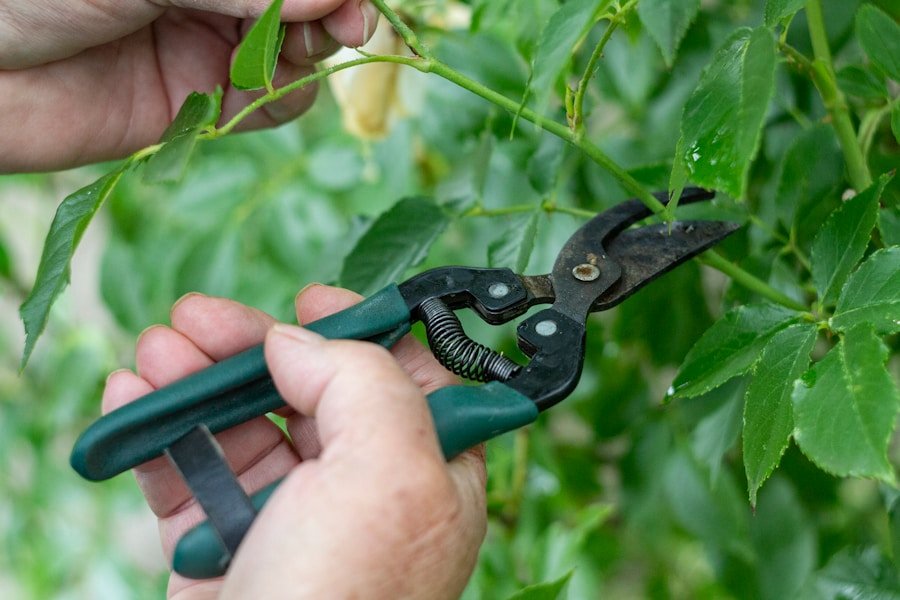
- Branch Pruning: Remove unwanted branches, crossing branches, or those growing in undesirable directions. Use sharp, sterile tools to make clean cuts that heal quickly.
- Timing: Maintenance pruning is typically performed during the growing season as needed.
Structural Pruning
This type of pruning aims to establish the basic shape and character of the bonsai. It often involves removing larger branches.
- Major Cuts: Make major cuts during the dormant season (if applicable) or in early spring just before new growth begins, as the tree will have more energy to heal.
- Wound Care: For larger cuts, apply cut paste or wound sealer to protect the tree from disease and aid healing.
Wiring
Wiring is a technique used to bend and position branches and trunks to achieve a desired aesthetic.
- Application: Apply aluminum or copper wire carefully, wrapping it spirally around the branch. Ensure the wire is not too tight, as it can cut into the bark as the branch grows.
- Monitoring: Regularly inspect wired branches to ensure the wire is not constricting growth. Remove wire before it bites into the bark, typically after a few months to a year, depending on growth rate. Rewire if further shaping is needed.
Repotting and Pest Management

Repotting is a crucial maintenance task for all bonsai, and effective pest management ensures the tree’s health.
Repotting
Bonsai outgrow their pots over time, leading to rootbound conditions that restrict nutrient and water uptake.
- When to Repot: The frequency depends on the species and growth rate, but typically every 2-5 years. Signs include roots circling the pot, water draining slowly, or reduced vigor. Repot in early spring before active growth begins.
- Root Pruning: Carefully remove the tree from its pot. Untangle and prune back about one-third of the root ball, focusing on thicker, circling roots. Leave finer feeder roots intact.
- Soil Mix: Use a well-draining bonsai-specific soil mix. A typical mix includes akadama, pumice, and lava rock, often with some organic material like composted bark. Good drainage and aeration are essential to prevent root rot.
- Post-Repotting Care: After repotting, water thoroughly and place the bonsai in a slightly shaded, protected location for a few weeks to recover before returning to its usual spot. Avoid fertilizing immediately after repotting.
Pest and Disease Management
Indoor bonsai are not immune to pests and diseases. Regular inspection is the best defense.
- Common Pests:
- Spider Mites: Tiny, often appear as fine webbing. Cause stippling on leaves. Combat with increased humidity and insecticidal soap.
- Aphids: Small, soft-bodied insects clustering on new growth. Cause distorted leaves. Can be washed off with water or treated with insecticidal soap.
- Mealybugs: White, cottony masses on stems and leaf axils. Sap-sucking pests. Treat with rubbing alcohol on a cotton swab or insecticidal soap.
- Scale: Small, hard-shelled bumps on stems and leaves. Difficult to remove. Scrape off mechanically or treat with horticultural oil.
- Inspection: Regularly inspect your bonsai, paying close attention to the undersides of leaves and new growth. Early detection significantly simplifies treatment.
- Treatment: Start with non-chemical methods where possible, such as blasting pests off with water or manual removal. If populations persist, use appropriate organic or chemical insecticides, following instructions carefully.
- Fungal Issues: Overwatering and poor air circulation can lead to fungal problems. Ensure good drainage and ventilation. Remove affected leaves.
Conclusion
Cultivating indoor bonsai is a rewarding practice that combines horticulture with art. By carefully selecting the right species, providing appropriate environmental conditions, mastering watering and fertilization, and diligently performing pruning and repotting, you can cultivate thriving miniature trees that add a touch of nature and tranquility to your indoor space. Remember, bonsai is a journey of continuous learning and observation. Each tree has its unique language; your role as a keeper is to listen and respond.


FAQs
What is an indoor bonsai tree?
An indoor bonsai tree is a miniature tree that is grown in a small container and is typically kept indoors. It is a form of traditional Japanese art that involves cultivating small trees to mimic the shape and scale of full-size trees.
How do you care for indoor bonsai trees?
Caring for indoor bonsai trees involves providing the right amount of light, water, and humidity. It also requires regular pruning and shaping to maintain the tree’s miniature size and aesthetic appeal.
What are some tips for keeping indoor bonsai trees thriving?
Some tips for keeping indoor bonsai trees thriving include placing them in a location with adequate sunlight, watering them regularly but not excessively, and providing proper humidity levels. Additionally, using well-draining soil and fertilizing the trees appropriately can help them thrive.
What are common mistakes to avoid when caring for indoor bonsai trees?
Common mistakes to avoid when caring for indoor bonsai trees include overwatering or underwatering, placing them in locations with insufficient light, using the wrong type of soil, and neglecting regular pruning and shaping.
What are some popular species of indoor bonsai trees?
Some popular species of indoor bonsai trees include Ficus, Jade, Chinese Elm, and Juniper. These species are well-suited for indoor environments and can thrive with proper care and maintenance.