
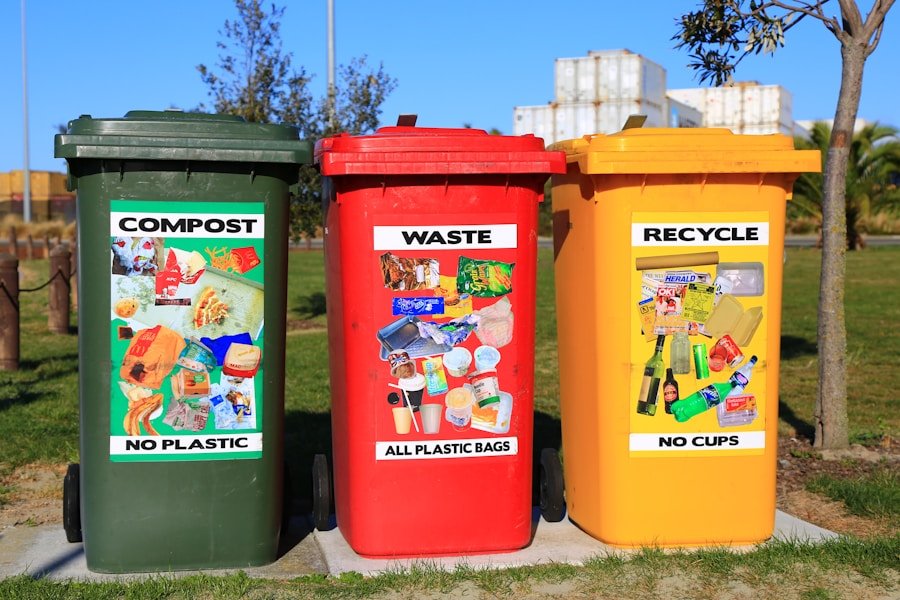
Composting is a natural decomposition process that breaks down organic matter into nutrient-rich soil. This process is a cornerstone of sustainable gardening, transforming waste into a valuable resource. By diverting organic materials, such as food scraps and yard trimmings, from landfills, composting reduces methane emissions, a potent greenhouse gas. The resulting compost acts as a soil amendment, improving soil structure, water retention, and fertility, thereby reducing the need for synthetic fertilizers.
The Fundamentals of Composting
Composting is a process that requires a balance of four key elements: greens (nitrogen-rich materials), browns (carbon-rich materials), water, and air. Without the right ratio of these elements, a compost pile can become an unyielding mass or a putrid mess. Think of it as a carefully orchestrated orchestra; each instrument plays a vital role in creating a harmonious outcome.
Understanding Green and Brown Materials
Greens are the “fuel” for the decomposition process. They are typically moist and provide nitrogen, which is essential for the microorganisms that break down organic matter. Examples of green materials include:
- Fruit and vegetable scraps: Peels, cores, seeds, and wilted produce.
- Coffee grounds and tea bags: Including the paper filter or bag.
- Grass clippings: Freshly cut grass.
- Plant trimmings: Non-diseased leafy parts of plants.
- Manure: From herbivores like cows, horses, sheep, or chickens (properly aged).
Browns provide the “structure” and carbon for the compost pile. They are typically dry and woody, offering energy for the microorganisms and allowing air to circulate. Examples of brown materials include:
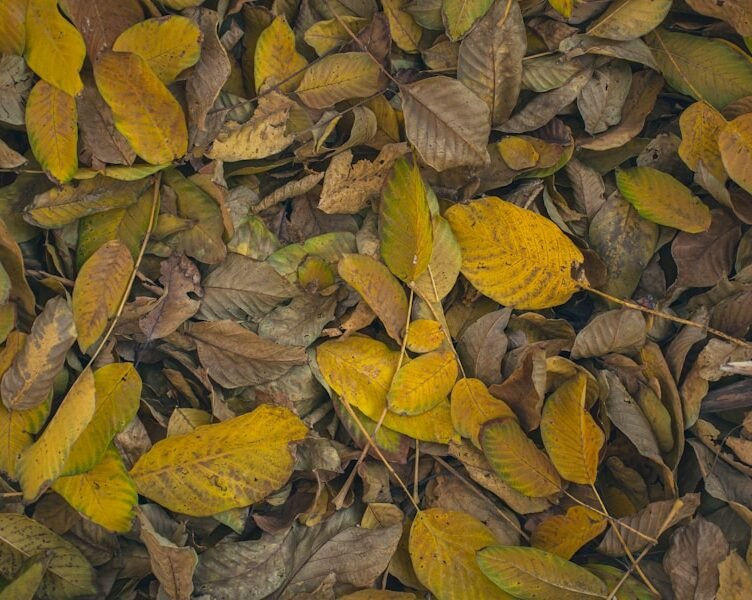
- Dry leaves: Fallen leaves from deciduous trees.
- Shredded newspaper and cardboard: Avoid glossy paper or heavily inked inserts.
- Straw and hay: Untreated and compostable.
- Wood chips and sawdust: In moderation, from untreated wood.
- Eggshells: Crushed to accelerate decomposition.
A general guideline for the ideal carbon-to-nitrogen ratio in a compost pile is between 25:1 and 30:1 by weight. This translates to roughly two to three parts browns for every one part greens. Deviating too far from this ratio can lead to an imbalanced pile. A nitrogen-rich pile (too many greens) may become slimy and emit ammonia, while a carbon-rich pile (too many browns) will decompose very slowly.
The Importance of Moisture and Aeration
Water is the lubricant that keeps the decomposition engine running smoothly. The compost pile should be damp, like a wrung-out sponge, not soaking wet or bone dry. Too little moisture will slow down microbial activity, while too much can drown the microorganisms and lead to anaerobic conditions, producing foul odors. Regular watering, especially during dry spells, is crucial.
Air, or oxygen, is the breath for the composting microorganisms. They are aerobic, meaning they require oxygen to thrive and efficiently break down organic matter. A properly aerated compost pile allows for optimal decomposition and prevents the proliferation of anaerobic bacteria, which are responsible for unpleasant smells. Turning the compost pile periodically with a pitchfork or compost aerator introduces fresh air. The frequency of turning depends on the composting method and desired speed of decomposition, but generally, every few weeks is sufficient.
Choosing a Composting Method
Several composting methods cater to different needs and available space. Each method offers its advantages, and the best choice depends on individual circumstances.
Traditional Compost Piles and Bins
The most straightforward method involves creating a heap or using a bin.
- Open Piles: These are the simplest, with organic materials piled directly on the ground. They are suitable for larger gardens where space is not a constraint. The materials are layered or mixed, and the pile is regularly turned.
- Enclosed Bins: Compost bins, whether made from wood, plastic, or wire mesh, help contain the materials, maintain moisture levels, and deter pests. They can be static, requiring turning within the bin, or tumblers, which allow for easy mixing by rotation. Tumblers often offer faster composting due to efficient aeration and mixing.
Other Composting Techniques
Beyond traditional methods, alternative techniques address specific needs.
- Worm Composting (Vermicomposting): This method utilizes specific species of earthworms, such as red wigglers (Eisenia fetida), to break down organic waste within a contained bin. Worms consume food scraps and excrete nutrient-rich castings, a highly prized compost. Vermicomposting is ideal for apartment dwellers or those with limited outdoor space, as it can be done indoors or on balconies. The process is odorless when managed correctly, and the end product is a fine, potent fertilizer.
- Bokashi Composting: This is a fermentation process that uses a specific inoculated bran to break down food scraps, including meat and dairy, which are typically avoided in traditional composting. The inoculated materials are layered in an airtight container and fermented for a few weeks. While the undigested material isn’t immediately usable as compost, it can be buried in the garden or added to a traditional compost pile to further decompose, enriching the soil. Bokashi offers a way to process a wider range of kitchen waste.
- Trench Composting: This is a method where organic materials are buried directly in the soil. It is a slow and unobtrusive way to compost, as the decomposition occurs underground. Trenches can be dug in areas that are not currently in use for planting, and the materials are covered with soil. This method is particularly useful for disposing of bulky yard waste.
Reusing Pots for Sustainable Planting
The lifecycle of a plastic pot often ends abruptly after a single use, contributing to landfill waste. However, these humble containers are like chameleons, capable of adopting new roles in the garden. Rethinking their purpose transforms them from disposable items into reusable assets, a testament to the principles of a circular economy in gardening.
The Environmental Impact of Single-Use Pots
The sheer volume of plastic pots produced for the horticultural industry is significant. These pots are typically made from petroleum-based plastics, requiring substantial energy and resources for their manufacture. Many end up in landfills, where they can take hundreds of years to decompose, leaching microplastics into the environment. Even when recycled, the process is energy-intensive and not always efficient for the thin-walled plastics commonly used for nursery pots.
Cleaning and Preparing Pots for Reuse
Before a pot can embark on its second act, it needs to be thoroughly cleaned. This is not merely for aesthetic purposes; it is a crucial step in preventing the spread of plant diseases and pests.
- Removing Soil Residue: The first step is to scrape out as much of the old soil as possible. A stiff brush or gloved hands work well for this.
- Washing: Pots should be washed with soap and water. A dilute bleach solution (1 part bleach to 9 parts water) can be used to sanitize pots, especially if there were signs of disease on the previous plant. Rinse thoroughly after using any cleaning solution.
- Drying: Ensure the pots are completely dry before storing or repotting. This helps prevent mold and mildew growth.
Practical Ways to Reuse Gardening Pots
The versatility of pots extends beyond simply holding a new plant. They can be repurposed in numerous ways to enhance garden functionality and sustainability.
- Seed Starting: Small pots, such as cell packs and individual peat pots, are excellent for starting seeds indoors. Once the seedlings are established, they can be transplanted directly into larger containers or the ground. This provides a controlled environment for germination and early growth.
- Repotting Seedlings and Young Plants: This is arguably the most common reuse. As plants grow, they outgrow their initial containers. Repotting them into slightly larger pots allows for continued healthy development. This process is akin to giving a growing child a new, bigger pair of shoes.
- Creating Mini-Greenhouses: Larger clear plastic pots can be inverted and placed over smaller pots or seedlings to create a humid microclimate. This is particularly useful for plants that require high humidity or for protecting young plants from adverse weather.
- Storage for Tools and Supplies: Small pots can be used to organize small gardening tools like hand trowels, cultivators, or even seed packets. They can also be used to store dabs of paint for touching up garden structures or labels.
- Watering Aids: Pots with drainage holes can be partially buried next to larger plants to create a slow-release watering system. Fill the pot with water, and it will gradually seep into the soil, providing consistent moisture to the plant’s roots. This is especially beneficial during hot, dry periods.
- Decorative Containers: Terracotta and ceramic pots, often more durable, can be cleaned and used as decorative planters for herbs, flowers, or succulents. They can also be painted or embellished to match garden aesthetics.
Alternatives to Plastic Pots
While reusing plastic pots is a valuable practice, exploring alternatives further reduces reliance on plastics.
- Biodegradable Pots: Made from materials like peat, coir, bamboo, or even cow dung, these pots can be planted directly into the ground, reducing transplant shock and further waste.
- Terracotta and Ceramic Pots: These are classic choices, offering excellent breathability for roots and a more aesthetically pleasing appearance. They are durable but can be heavier and more expensive.
- Fabric Grow Bags: Made from porous fabric, these bags promote healthy root growth by preventing root circling and allowing for excellent aeration and drainage. They are lightweight and easy to store when not in use.
- Upcycled Containers: Nearly any sturdy container can be repurposed. Old buckets, food-grade containers, or even cut-open plastic bottles can serve as planters, provided drainage holes are added.
Reducing Waste in the Garden
The concept of a “waste-free garden” is not an abstract ideal but a tangible goal achievable through mindful practices. By viewing every garden element through a lens of resourcefulness, we can significantly minimize what enters the waste stream. A garden that minimizes waste is a garden that sings in harmony with nature’s rhythms.
The “Waste Not, Want Not” Philosophy
This adage is the guiding principle for waste reduction in the garden. It encourages a proactive approach to preventing waste before it occurs. This involves careful planning, strategic purchasing, and a commitment to utilizing resources to their fullest extent.
Minimizing Packaging from Garden Supplies
The journey of a garden from purchasing supplies to planting is often accompanied by a considerable amount of packaging.
- Buying in Bulk: Purchasing soil, amendments, and seeds in larger quantities can often reduce the per-unit packaging.
- Choosing Products with Minimal Packaging: Opt for products sold loose or in easily recyclable packaging. For example, bare-root plants often come with less packaging than potted specimens.
- Seeking Out Local Suppliers: Local nurseries or garden centers may offer more options for bulk purchasing or refilling containers, reducing the need for new packaging.
- Reinventing Packaging for Other Uses: Cardboard boxes can be used as a base layer in garden beds to suppress weeds. Plastic containers from nursery plants can be reused for seed starting or storage, as previously discussed.
Extending the Life of Garden Tools and Equipment
Well-maintained tools are not just efficient; they are also durable. Investing time in tool care is an investment in waste reduction.
- Regular Cleaning and Oiling: After use, clean soil and debris from tools. Apply a light coat of oil to metal parts to prevent rust.
- Sharpening Blades: Dull blades on pruners, saws, and shovels require more force, leading to potential damage to both the tool and the plant. Sharpening maintains efficiency and prolongs tool life.
- Repairing Rather Than Replacing: Many garden tools can be repaired. Broken handles can be replaced, and worn-out parts can often be sourced and fitted. For example, a loose head on a shovel can often be tightened or re-secured.
- Proper Storage: Store tools in a dry place, away from the elements. Tool racks or sheds help protect them from moisture and accidental damage.
Composting Unusable Plant Material
While active composting of usable organic matter has been discussed, even plant material that is no longer suitable for composting can sometimes be repurposed.
- Mulching: Larger, dried plant stalks or woody debris can be chopped and used as mulch in less visible areas of the garden, providing ground cover and suppressing weeds.
- Building Garden Structures: Sturdy, dried woody stems can be woven into small trellises or supports for climbing plants, especially in rustic garden designs.
- Compost Activators: Even materials that decompose slowly, like coarse woody matter, can contribute to the compost pile by improving aeration and providing a long-term carbon source. They act as a scaffold within the pile, preventing it from becoming too dense.
Water Conservation in Sustainable Gardening
Water is a precious resource, and its responsible use in the garden is paramount for sustainability. Efficient watering practices not only conserve water but also promote healthier plant growth by directing water to where it is needed most – the roots. Thinking of water as a delicate, life-giving elixir, rather than an inexhaustible supply, is key.
Understanding Soil Moisture and Plant Needs
Different plants have varying water requirements, and understanding these needs is fundamental to efficient watering.
- Observing Soil: The most reliable way to determine if a plant needs water is to feel the soil. Stick your finger about two inches deep. If it feels dry, it’s time to water. If it feels moist, hold off.
- Plant Wilting: Wilting can be an indicator of thirst, but it can also be a sign of overwatering or extreme heat. Always check the soil moisture before concluding a plant is thirsty.
- Mulching’s Role: A layer of mulch around plants helps retain soil moisture by reducing evaporation. It acts as a blanket, keeping the soil cooler and moister.
Efficient Watering Techniques
The method of watering employed can dramatically impact water usage.
- Drip Irrigation and Soaker Hoses: These systems deliver water directly to the plant’s root zone, minimizing water loss through evaporation or runoff. Drip irrigation systems use emitters that release water slowly and steadily, while soaker hoses have small pores that weep water along their length.
- Watering at the Base of Plants: Regardless of the watering method, focus on applying water directly to the soil around the plant’s base, rather than spraying the foliage. Wetting the leaves can promote fungal diseases, and much of the water will be lost to evaporation.
- Watering During Cooler Parts of the Day: The best times to water are early morning or late evening. Watering in the heat of the day leads to significant water loss through evaporation. Early morning watering allows plants to hydrate before the heat of the day, while evening watering provides moisture for the cooler night.
Rainwater Harvesting
Capturing and utilizing rainwater is a highly sustainable practice that reduces reliance on municipal water sources and conserves valuable treated water.
- Rain Barrels: These are large containers connected to downspouts that collect rainwater from the roof. The collected water can then be used to water plants. Ensure rain barrels are properly screened to prevent mosquito breeding.
- Rain Gardens: These are shallow depressions planted with water-tolerant vegetation. They are designed to capture and absorb stormwater runoff from roofs, driveways, and patios, filtering pollutants and reducing the burden on storm drains.
- Permeable Paving: Using permeable materials for pathways and driveways allows rainwater to seep into the ground, replenishing groundwater and reducing surface runoff.
Creating a Haven for Beneficial Wildlife
A truly sustainable garden is not just about reducing human impact; it’s about fostering a thriving ecosystem within its boundaries. Inviting beneficial wildlife, like pollinators and natural predators, into the garden creates a symbiotic relationship where nature assists in plant care. This transforms the garden into a miniature, self-regulating biosphere.
The Role of Wildlife in Garden Health
Many creatures that we might consider pests are, in fact, part of a larger ecological balance.
- Pollinators: Bees, butterflies, and other pollinators are essential for the reproduction of many plants, including fruits and vegetables. Without them, our harvests would be significantly diminished.
- Natural Predators: Ladybugs, lacewings, and predatory wasps help control populations of garden pests like aphids and spider mites. These natural allies can significantly reduce the need for chemical interventions.
- Decomposers: Earthworms and other soil-dwelling organisms break down organic matter, enriching the soil and improving its structure.
Providing Habitats and Food Sources
Creating a welcoming environment for wildlife involves offering them shelter, food, and water.
- Planting Native Species: Native plants are adapted to the local climate and soil conditions, and they naturally support local wildlife by providing food and shelter. They are the building blocks of a local food web.
- Providing Water Sources: A bird bath, a shallow dish of water with pebbles, or even a small pond can attract a variety of wildlife.
- Avoiding Pesticides and Herbicides: Chemical pesticides and herbicides can harm beneficial insects, birds, and other wildlife. Opt for organic pest control methods and tolerate a certain level of insect activity.
- Leaving Areas Undisturbed: Allow some areas of the garden to remain a little wild. Leaf litter, brush piles, and uncut grass can provide crucial shelter and hibernation spots for insects and other small creatures.
Incorporating Specific Features
Certain garden additions can significantly enhance their appeal to wildlife.
- Insect Hotels: These structures, often made from wood with holes drilled in them or filled with natural materials like hollow reeds or pinecones, provide nesting sites for solitary bees and other beneficial insects.
- Bird Feeders and Houses: Appropriately placed feeders and houses can attract a variety of bird species, which can help with pest control.
- Butterfly Gardens: Plant a variety of nectar-rich flowers that bloom throughout the season, along with host plants that butterflies need for their larvae. Examples include milkweed for monarch caterpillars.
- Rock Piles and Log Piles: These can provide shelter and habitat for amphibians, reptiles, and beneficial insects.

By embracing these practices, a garden can transition from a managed space to a vibrant, self-sustaining ecosystem, demonstrating that sustainable plant care is not just about what we add, but also about what we preserve and encourage.
FAQs
What is composting and how does it benefit sustainable gardening?
Composting is the process of breaking down organic materials such as food scraps, yard waste, and paper into nutrient-rich soil. This helps reduce waste sent to landfills and provides a natural fertilizer for plants, promoting sustainable gardening practices.
How can I reuse pots and containers for sustainable gardening?
You can reuse pots and containers by cleaning them thoroughly and repurposing them for new plants. This reduces the need for new plastic pots and minimizes waste in the garden.
What are some ways to reduce waste in sustainable plant care?
Some ways to reduce waste in sustainable plant care include using biodegradable materials for mulch and plant markers, avoiding single-use plastic products, and choosing long-lasting, durable gardening tools.
What are the benefits of sustainable gardening for the environment?
Sustainable gardening helps reduce the use of harmful chemicals, conserves water, promotes biodiversity, and minimizes waste sent to landfills. It also supports healthy ecosystems and reduces the carbon footprint associated with traditional gardening practices.
How can I start implementing green gardening practices in my own garden?
You can start implementing green gardening practices by composting kitchen scraps and yard waste, reusing pots and containers, choosing native plants, and using natural pest control methods. Additionally, reducing water usage and minimizing waste can contribute to sustainable plant care.